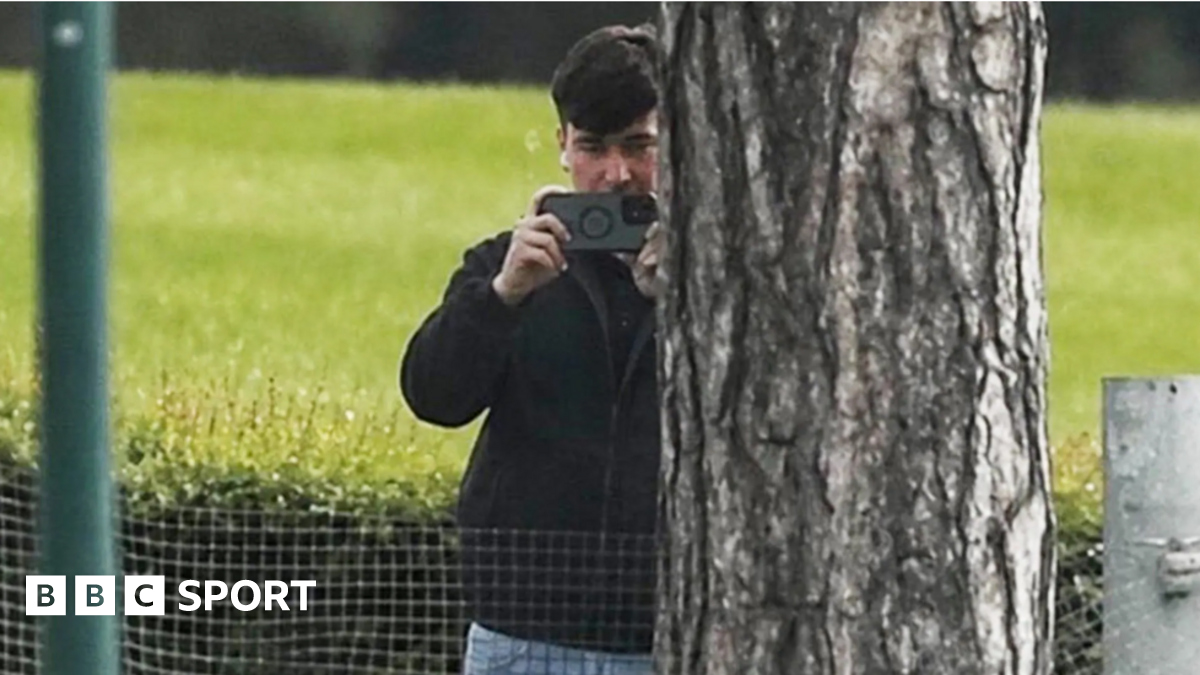
The English Football League has expelled Southampton from the Championship playoffs and docked them four points for next season after the club admitted to spying on three rival teams, a move described as a landmark ruling in English football.
Southampton’s expulsion follows an investigation into allegations that an analyst intern filmed training sessions of Oxford United, Ipswich Town, and Middlesbrough within 72 hours of scheduled matches. The incident involving Middlesbrough occurred just days before the first leg of the playoff semi-final on May 9, prompting the club to report the breach to the EFL.
| Club | Dates of Alleged Spying | Match Context |
|---|---|---|
| Oxford United | March 15, 2024 | League fixture on March 19 |
| Ipswich Town | April 12, 2024 | League fixture on April 16 |
| Middlesbrough | May 7, 2024 | Playoff semi-final first leg on May 9 |
Southampton, who had already beaten Middlesbrough over two legs, will now miss out on the playoff final at Wembley—a match that guarantees winners at least £110 million in Premier League broadcast revenue. Middlesbrough, who were reinstated in the final, will face Hull City on Saturday in a reshuffled showdown that will now determine the third promotion spot.
Key Points
- ⚖️ Southampton expelled from playoffs; Middlesbrough reinstated
- ➖ Club docked four points for 2024-25 season
- 📹 Spying incidents occurred three times this season
The EFL charged Southampton under Regulation 3.4—requiring clubs to act in good faith—and Regulation 127, which prohibits observing or attempting to observe another club’s training session within 72 hours of a match. The regulator concluded that Southampton’s actions undermined the integrity of the competition and warranted severe sanctions.
💡 Pro Tip
Clubs should implement strict internal audits of training ground access and prohibit all non-essential personnel from entering restricted areas during sensitive periods to avoid similar violations.
Former Premier League goalkeeper Paul Robinson praised the decision, calling it a necessary message to protect the sport’s credibility. “If you admit to doing something wrong three times, you’ve likely done it seven,” Robinson said on BBC Radio 5 Live. “The integrity of the game must come first. This is a strong punishment, and it’s the right one.”
Southampton has filed an appeal, with a hearing scheduled for Wednesday. But the club faces an uphill battle as the EFL has already concluded that the evidence—including footage allegedly streamed live via a mobile device—was indisputable. The spy, identified as analyst intern William Salt, was reportedly spotted near Middlesbrough’s training ground using an iPhone and in-ear headphones, positioned on elevated ground to capture the session.
📋 By the Numbers
- 3 — Number of clubs Southampton spied on this season
- 72 hours — Minimum window before a match when spying is prohibited
- £110m — Minimum broadcast revenue for playoff winners
Fans have reacted with shock and disappointment. Southampton supporters Cameron and Chris Jewell expressed disbelief at the severity of the punishment, calling the expulsion “harsh” and “unfair,” particularly given the minimal nature of the surveillance—described by some as simply pointing a phone from a distance. “We knew the punishment would be tough, but this feels excessive,” Jewell said. “We’ve sold tickets, booked coaches—this is devastating.”
On the opposing side, Middlesbrough fans were jubilant. Podcaster Jimmy Lees said, “This decision protects the ethics of football. If Southampton had played in the final, what message would that send? Cheating to gain an unfair advantage cannot be rewarded.” Fellow supporter Chris Saunders added, “We’re stunned—this rarely happens to Boro. We expected them to get away with a fine, not this.”
Hull City, originally preparing to face Southampton, now has just three days to adjust their tactics ahead of Saturday’s final. Assistant manager Dean Holden previously stated the team would “be prepared for any eventuality,” but the abrupt change has added pressure to an already high-stakes match.
- Regulation 3.4 — Requires clubs to act in utmost good faith toward each other
- Regulation 127 — Prohibits observing training sessions within 72 hours of a match
- EFL’s sanction process — Clubs can appeal within seven days; appeals are heard by an independent panel
The EFL’s decision sets a precedent in English football, signaling that breaches of sporting integrity will not be tolerated, regardless of intent or scale. As the playoffs resume, the spotlight now turns to Middlesbrough and Hull City—and whether the ripple effects of Southampton’s ban will redefine the competition’s future.