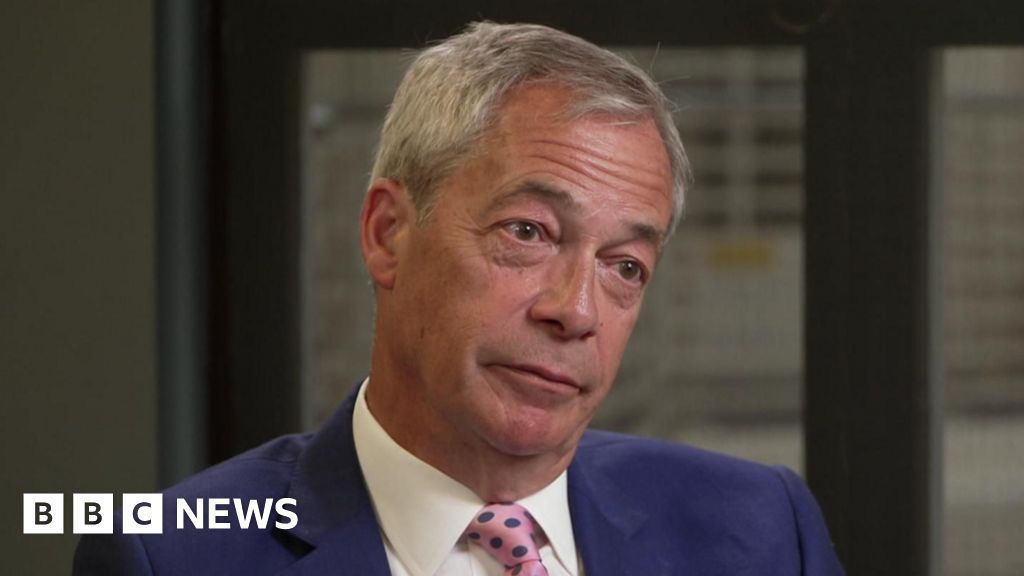
Labour has lodged a formal complaint with the Metropolitan Police and security services alleging that Nigel Farage’s personal phone and financial accounts were compromised by Russian operatives. The dossier, submitted late Monday, cites “credible evidence” of unauthorized access, including intercepted communications and irregular banking activity detected last year. If substantiated, the breach would represent a direct violation of UK sovereignty and a potential breach of the Official Secrets Act.
Nigel Farage, the Brexit Party founder and former Reform UK leader, has repeatedly denied any wrongdoing and has dismissed the allegations as politically motivated. In a statement issued Tuesday morning, Farage called the claims “a smear campaign” orchestrated by Labour to distract from domestic issues. “This is an attempt to silence a democratically elected voice,” Farage said, adding that he has cooperated fully with law enforcement agencies for years.
💡 Pro Tip
Security experts recommend that individuals targeted by state actors immediately isolate devices, revoke third-party app permissions, and enable hardware-based authentication to mitigate ongoing risks.
Sources within the Metropolitan Police confirmed receipt of the referral and said detectives are assessing the material alongside the National Crime Agency and MI5. A spokesperson for the Met stated that no arrests have been made but urged anyone with relevant information to come forward. The UK government’s National Cyber Security Centre is also reviewing the case, with a focus on potential links to known Russian cyber units such as APT29 or Fancy Bear.
| Agency | Role | Status |
|---|---|---|
| Metropolitan Police | Primary investigation | Assessing evidence |
| MI5 | National security assessment | Reviewing intelligence |
| National Crime Agency | Financial crime probe | Coordinating with banks |
| NCSC | Cyber threat analysis | Probing technical evidence |
The allegations follow a pattern of escalating warnings from Western intelligence agencies about Russian attempts to influence British politics. In 2022, the government expelled 13 Russian spies and sanctioned individuals linked to the GRU for targeting democratic institutions. Labour’s dossier reportedly includes timestamps of suspicious logins, metadata from intercepted messages, and forensic analysis of financial transactions, all pointing to a coordinated operation.
Key Points
- ✅ Labour formally accused Russia of hacking Nigel Farage’s phone and bank accounts
- ⚡ Referral sent to Metropolitan Police, MI5, NCA, and NCSC for joint investigation
- 💡 Farage denies allegations, calls them “politically motivated smears”
Former senior intelligence officials, speaking on condition of anonymity, describe the allegations as “highly sensitive” and “credible.” One former MI6 officer said the level of technical detail in Labour’s submission suggests access to classified intercepts or insider intelligence. “If this pans out, it would be one of the most brazen foreign interference operations on UK soil in decades,” the source said.
📋 By The Numbers
- 14 months — Duration of alleged hacking activity
- 4 agencies — Currently investigating the referral
- 14 — Number of Russian spies expelled by the UK in 2022
Downing Street has not commented directly on the allegations but reiterated its commitment to protecting democratic processes. In a briefing Tuesday, a government spokesperson said, “The UK has a robust system to counter foreign interference, and we take any such threats extremely seriously.” Meanwhile, Reform UK, Farage’s former party, announced it would hold an emergency meeting to discuss the situation and “defend its leader’s integrity.”
- Immediate — Metropolitan Police initiate forensic review of devices
- Within 48 hours — MI5 and NCSC cross-reference digital evidence with intelligence holdings
- Next 7 days — Banks contacted under proceeds of crime legislation to trace irregular transactions
Legal experts warn that proving state-sponsored hacking in court will be challenging, as attribution often relies on circumstantial evidence and intelligence rather than direct forensic proof. “This is the digital equivalent of a cold case,” said a cyber law barrister. “You’re piecing together a puzzle with fragments of data that could have multiple explanations.” The outcome may hinge on whether Labour’s dossier contains enough verifiable digital breadcrumbs to trigger a criminal charge or a public inquiry.