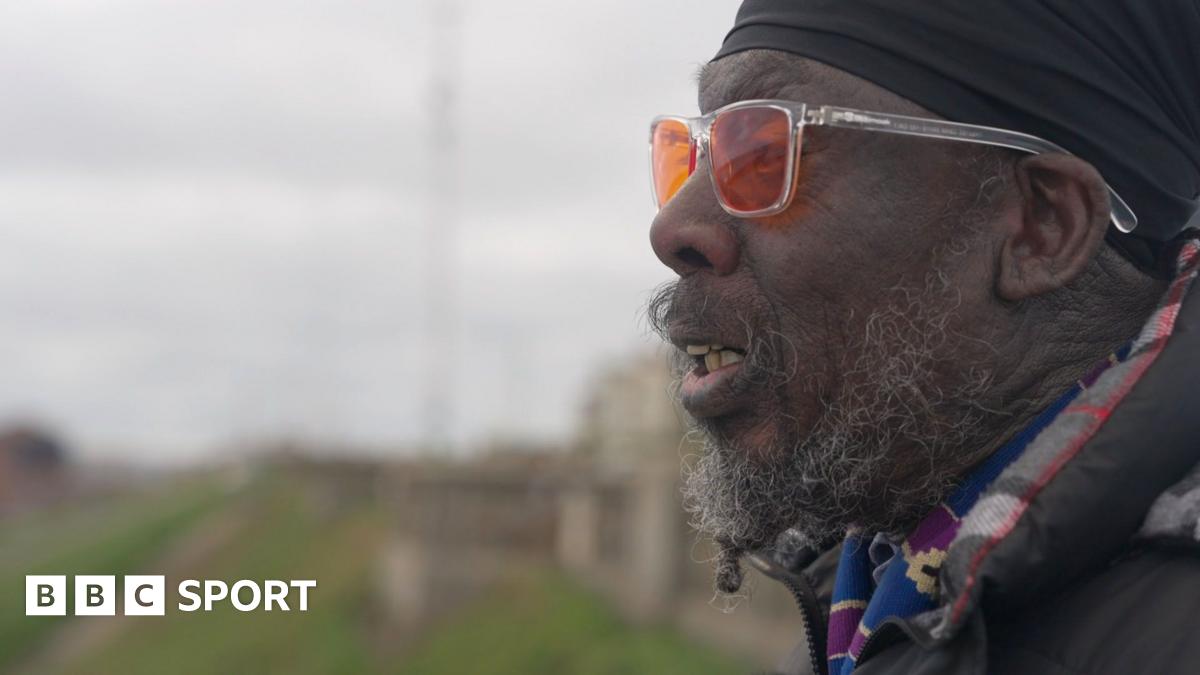
Roly Gregoire, Sunderland’s first black professional footballer, has broken a 46-year silence to detail the racist abuse that ended his career and haunted him for decades. Now 67, Gregoire described his emotional interview as a difficult but necessary reckoning, saying, "Sometimes I wish I'd never played football. Some of the pain, I can still feel it."
Gregoire’s breakthrough came just hours before the abuse began. Playing in a 2-0 win over Hull City at Roker Park, the teenager set up a goal for club legend Gary Rowell, marking his first senior appearance. But the triumph was overshadowed by an incident that would define his time in Sunderland forever.
Hours after the match, Gregoire’s family—who had traveled from Bradford to watch him—were chased through a local park by a group of men shouting racial slurs. One of his brothers was struck by a brick. "They were just teenagers," Gregoire said. "They were so scared they barely escaped. From that day on, my mother, until the day she died, never spoke of Sunderland again."
Key Points
- ✅ Gregoire made his Sunderland debut at 19, setting up a goal in a 2-0 win over Hull City on 2 January 1978
- ⚡ Hours later, his family was targeted with racial slurs and a brick thrown at his brother
- 💡 The abuse forced Gregoire to abandon his career and avoid football for years
Born in Liverpool’s Toxteth in 1958 to Windrush Generation parents from Dominica, Gregoire grew up in Bradford, a multicultural city. Sunderland, by contrast, was a starkly different environment in the late 1970s. Census data from 1981 showed less than 1% of the city’s 300,000 residents were of African-Caribbean heritage. By 1978, only one-fifth of England’s 92 league clubs had fielded a black player, with Nottingham Forest’s Viv Anderson becoming the first to earn a senior England cap that year.
"I knew only one other black person in Sunderland," Gregoire recalled. "Wayne Entwistle, a white striker who signed the same day, shared digs with me for a while, but it was a lonely time." Despite support from teammates like Bobby Kerr and Mick Docherty, Gregoire faced escalating hostility. During a pre-season tour of Kenya in 1978, a teammate wiped his hands on Gregoire’s shirt after children surrounded him, as if fearing contamination. "Why me? Because I’m black, is that why?" Gregoire asked.
📋 By The Numbers
- 46 years — Gregoire waited to break his silence about the abuse
- £5,000 — Fee Sunderland paid Halifax Town for his transfer in 1977
The abuse extended beyond the pitch. At a post-match reception hosted by a wealthy local family, Gregoire was snubbed by the hostess, who bypassed him to greet other players. "I walked out to the team bus. I would rather be out there with lions and hyenas than endure that insult," he said. No teammate intervened. The incident underscored what Gregoire described as a lack of loyalty and integrity within the club’s culture at the time.
By the 1978-79 season, Gregoire’s playing opportunities dwindled. His absence from the team photo that year signaled the shift in the club’s attitude toward him. One matchday memory remains vivid: after shaking hands with teammates post-game, Gregoire approached a player who refused to acknowledge him. "He looked at me like I wasn’t even there," Gregoire said. "That’s when I knew I had to leave."
💡 Pro Tip
For clubs addressing historical racism, documenting and acknowledging past abuses is not just ethical—it’s essential for healing. Silence perpetuates harm; open dialogue, even decades later, can be a first step toward justice.
Gregoire’s final first-team appearance came in November 1979. A recurring knee injury, combined with the psychological toll of racism, forced him into early retirement. He moved away, changed his name, and avoided football entirely for years. "Talking to you now, I can feel myself welling up," he said. "But I want supporters to understand where I’m coming from. Maybe this can help someone else."
| Aspect | Sunderland in 1978 | Bradford in 1978 |
|---|---|---|
| Racial diversity | Less than 1% African-Caribbean | Significantly more multicultural |
| Football culture | Limited black players in top flight | More integrated youth teams |
| Community support | Isolated environment for black residents | Strong multicultural networks |
Sunderland AFC has since taken steps to acknowledge historical wrongs, including erecting a statue of club legend Charlie Hurley and honoring other trailblazers. Yet Gregoire’s story remains largely untold—until now. "I waited 46 years to break my silence because I didn’t think anyone would listen," he said. "But if this helps even one person, then it’s worth it."