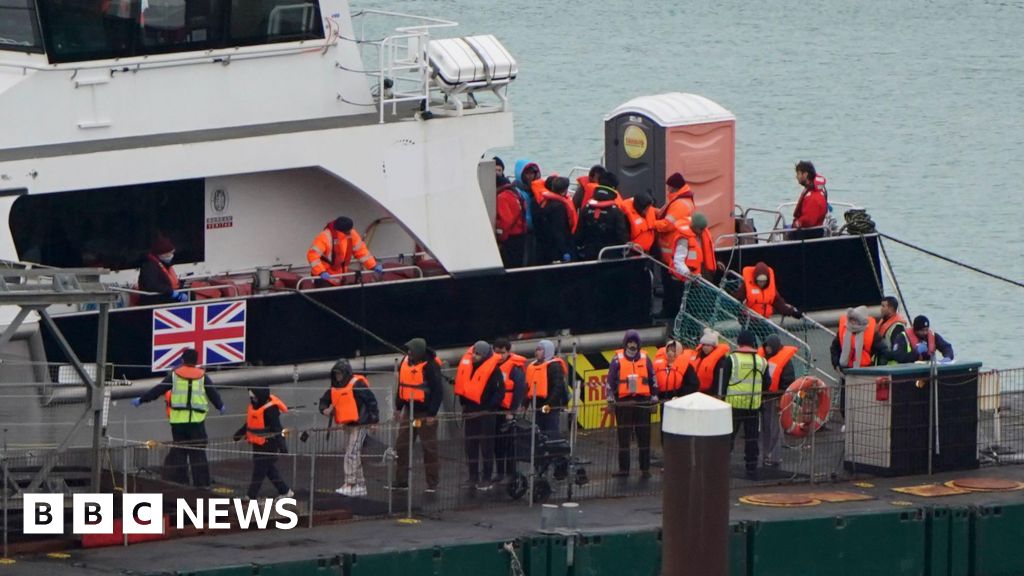
The Home Office confirmed on Wednesday that an AI-powered facial recognition system will screen asylum seekers arriving in the UK starting January 2025, marking a sharp escalation in the government’s use of biometric surveillance at entry points.
Under the new policy, anyone appearing under 25 will undergo an instant facial analysis to determine if their claimed age aligns with biological markers detectable by the algorithm. Asylum seekers flagged as potential adults posing as minors will face additional scrutiny, potentially delaying their processing or triggering further interviews.
Key Points
- ⚙️ AI scans asylum seekers appearing under 25
- 🔍 Algorithm checks biological age against claimed age
- 🚨 Adults falsely claiming minor status face delays or secondary interviews
The system, developed by facial recognition firm Yoti, relies on a dataset of facial scans from volunteers aged 12 to 73 to train its age-prediction models. Yoti’s CEO, Robin Tombs, stated the technology has achieved 95% accuracy in internal tests, though independent audits have not yet been made public.
| Age Range | Accuracy Claim | Risk Level |
|---|---|---|
| 12–17 | 98% precision | Low |
| 18–24 | 89% precision | High |
| 25+ | 99% precision | Minimal |
Immigration lawyers and human rights groups have condemned the move, arguing the technology risks misidentifying traumatized minors as adults due to developmental delays or facial scarring. A coalition of 15 NGOs, including Care4Calais and the Refugee Council, has pledged legal action to block the system’s rollout.
📋 By The Numbers
- 95% — Yoti’s reported internal accuracy rate
- 42 days — Average asylum case processing delay in 2023
- £12 million — Estimated annual cost of the AI program
Home Secretary James Cleverly defended the initiative, stating it would “streamline the asylum process while ensuring safeguards for genuine minors.” Critics counter that facial recognition cannot account for the well-documented variations in growth patterns among refugee populations, particularly those from conflict zones. The Home Office has not disclosed whether the system will be tested in real-world scenarios before full deployment or how it will handle appeals from asylum seekers flagged as adults.
💡 Pro Tip
Asylum seekers or legal representatives should request a written explanation if the AI system disputes their age, as this may become critical evidence in appeals or judicial reviews.
Data privacy advocates warn the system could normalize biometric screening without robust oversight. The UK’s Biometrics and Surveillance Camera Commissioner has called for a transparent audit process, citing concerns over “function creep”—the potential for the system to be repurposed for other uses beyond age verification.
- 📊 The AI’s training data lacks diversity in facial features common among asylum seekers from the Middle East and Africa
- 🔍 No legal framework currently exists in the UK to challenge AI-driven age assessments
- ⚠️ The system could disproportionately affect LGBTQ+ asylum seekers who may avoid facial scans due to fear of misgendering
The Home Office has scheduled a three-month consultation period with stakeholders, though no date has been set. Meanwhile, Yoti has begun marketing the technology to other European countries facing similar challenges with age verification for unaccompanied minors.