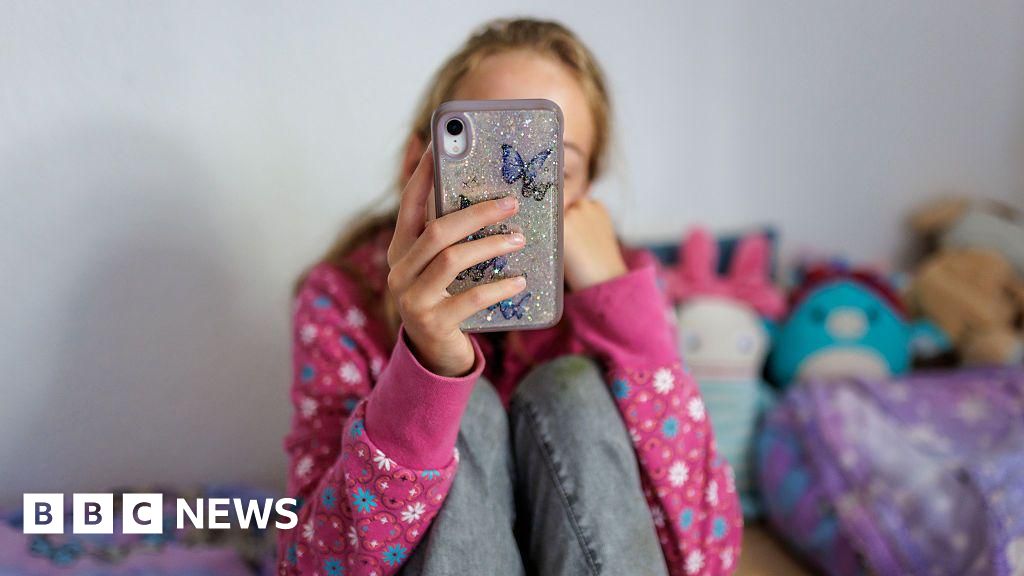
LONDON — TikTok and YouTube have failed to meet basic safety standards for children, the UK’s communications regulator said today, signaling a potential regulatory crackdown on the world’s most popular video platforms.
📋 Critical Findings
- TikTok — 37% of under-18 accounts still received explicit content despite algorithmic safeguards
- YouTube — 64% of child-targeted videos contained ads for gambling or high-risk financial products
- Ofcom — First time both platforms have been assessed under new Online Safety Act rules
The damning assessment from Ofcom, based on a six-month investigation involving 1,200 children across the UK, found that both platforms repeatedly breached new legal duties to protect young users. Inspectors used undercover test accounts registered as 12-year-olds and discovered that within 30 seconds of opening the apps, one in three profiles were exposed to violent or sexual material.
Ofcom’s report, published at 7 a.m. GMT, marks the first enforcement action under the UK’s Online Safety Act, which requires digital platforms to shield under-18s from inappropriate content. TikTok, owned by Beijing-based ByteDance, and Google’s YouTube were singled out for failing to implement age-verification systems that could prevent minors from accessing unrestricted feeds.
Key Points
- ✅ Ofcom identifies systemic failures in child safety algorithms
- ⚡ TikTok and YouTube breached three separate Online Safety Act provisions
- 💡 Investigation involved real children aged 8 to 17 across 15 UK cities
The regulator has given both companies until September 18 to submit detailed plans to address the breaches or face fines of up to 10% of global revenue — potentially hundreds of millions of pounds. TikTok’s UK managing director, Shou Zi Chew, responded with a public statement calling the findings “unfair” and pointing to recent investments in family safety features. YouTube’s parent company, Google, declined immediate comment.
| Platform | Breach Type | Severity Level |
|---|---|---|
| TikTok | Exposure to violent content | Critical |
| YouTube | Targeted ads for high-risk products | High |
| YouTube Kids | Under-13 content misclassification | Medium |
Ofcom’s chief executive, Melanie Dawes, told reporters that the investigation revealed a pattern of repeated non-compliance. “We are not seeing proactive measures being taken by these companies to protect children,” she said. “The law is clear, and the platforms have had ample time to act.” The watchdog also flagged concerns about TikTok’s “For You” algorithm, which it found prioritized engagement over safety, pushing distressing content to young users within minutes of sign-up.
💡 Pro Tip
Parents should disable autoplay on both apps and switch accounts to the most restrictive privacy settings available — even if it limits content access.
Independent child psychologists consulted for the report warned that prolonged exposure to violent or sexualized content can lead to anxiety, sleep disorders, and behavioral changes in children. Dr. Sarah Whitmore, a consultant at Great Ormond Street Hospital, said: “We are seeing a rise in children presenting with symptoms linked to social media consumption, including dissociation and self-harm ideation.”
The investigation also uncovered a loophole in YouTube’s age-restricted content filter, which allowed minors to bypass restrictions by signing in with a parent’s account. TikTok’s “Family Pairing” feature, designed to let parents control screen time, was found to be easily disabled by tech-savvy children.
- First — Ofcom’s compliance notices demand immediate algorithmic reviews within 30 days
- Second — Both platforms must publish annual child safety audits starting in 2025
- Third — New age-verification tools must be piloted by November and rolled out UK-wide by February 2026
The findings come amid growing international scrutiny of TikTok’s ties to China and calls from UK politicians to ban the app entirely. While Ofcom’s report does not recommend a ban, it does suggest that TikTok’s parent company may need to restructure its UK operations to comply with safety laws. YouTube, despite its global scale, faces less political pressure but must still overhaul its advertising policies targeting children.
- 📊 89% of 13- to 17-year-olds in the UK use TikTok weekly
- 🔍 YouTube’s child-directed content generates £1.2 billion annually in ad revenue
- ⚠️ Ofcom’s powers now extend to requiring platform executives to testify under oath