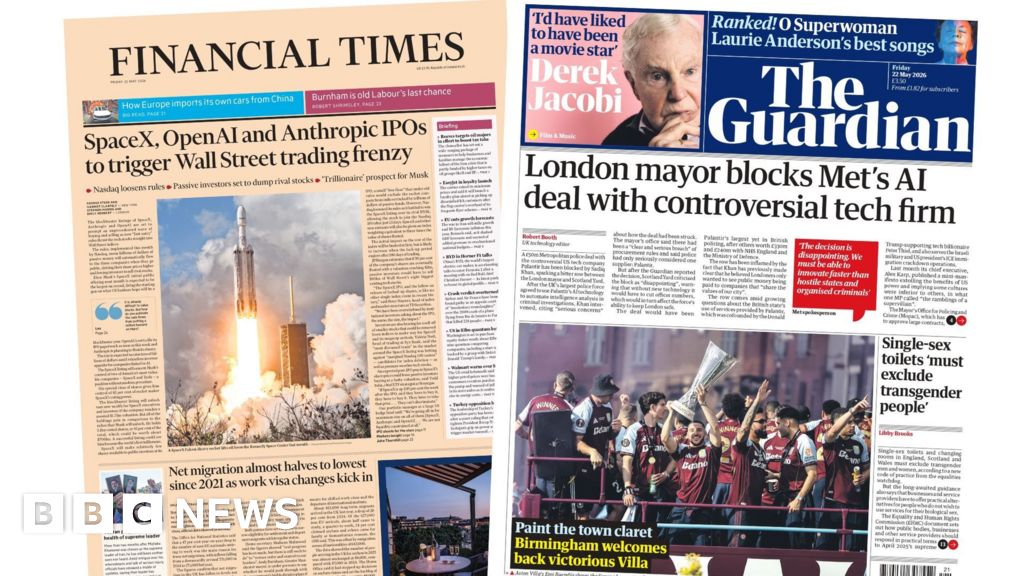
The flow of people into and out of the UK has shifted dramatically, with the latest official data showing net migration plunging to 171,000 in the year ending June 2024—a 48% drop from the previous year’s 331,000 and the lowest figure recorded since 2019. The sharp decline comes as Prime Minister Keir Starmer’s government faces scrutiny over its handling of immigration, with critics arguing the figures reflect a broader failure to control borders.
| Migration Metric | 2023 | 2024 |
|---|---|---|
| Net migration | 331,000 | 171,000 |
| Arrivals | 1.24 million | 1.07 million |
| Departures | 910,000 | 900,000 |
Immigration experts point to tightened visa rules, including stricter salary thresholds for skilled workers and reductions in health and care visa routes, as key drivers behind the drop. The Home Office confirmed that new restrictions on student dependants and the removal of the graduate visa route for certain courses have contributed to the fall. ‘These figures show our reforms are working,’ said Home Secretary Shabana Mahmood. ‘We are bringing net migration down while protecting the economy.’
The announcement arrives amid growing political pressure. Reform UK MP Robert Jenrick described the decline as ‘Starmer’s exodus,’ highlighting Office for National Statistics data showing 75,000 Britons aged 16 to 34 left the country in the same period—a record high for youth emigration. Critics argue the drop in net migration masks deeper structural issues, including economic stagnation and high housing costs that are pushing young professionals abroad.
- 📊 Arrivals fell by 17% year-on-year, the largest annual decline since records began
- 🔍 Indian nationals, the largest group of non-EU migrants, saw a 22% drop in long-term visas
- ⚠️ The fall in student visas—down 28%—raises concerns about university funding and research capacity
In London, the mayor’s office has taken a separate stand against unchecked tech deployment. Sadiq Khan blocked a £50 million contract between the Metropolitan Police and Palantir, citing a ‘clear and serious breach’ of procurement rules. The decision, confirmed on Friday, prevents the US firm from using AI to automate criminal intelligence analysis. ‘This deal was rushed through without proper oversight,’ said a spokesperson for the mayor. ‘We cannot allow opaque technology to dictate policing.’
Key Points
- ✅ Net migration fell 48% to 171,000 in 2024, the lowest since 2019
- ⚡ Tougher visa rules, including health and care worker restrictions, drove the decline
- 💡 75,000 young Britons left the UK, the highest youth exodus on record
The Palantir decision follows a wider trend of local authorities resisting unregulated AI adoption. Scotland Yard labelled the decision ‘disappointing,’ warning it could hinder efforts to tackle serious crime. Meanwhile, in Greater Manchester, five people—four men and one woman—were arrested on suspicion of conspiracy to defraud in connection with fake council candidates on the May 7 Tameside ballot. The arrests, confirmed by Greater Manchester Police, allege interference in local democracy ahead of the mayoral by-election in Makerfield.
📋 By The Numbers
- 48% — Drop in net migration from 2023 to 2024
- 75,000 — Britons aged 16–34 who left the UK in 2024
- £50m — Value of the blocked Palantir-Met Police AI contract
As the Starmer government touts the migration figures, Labour faces internal unease over the economic impact. Business groups warn that reduced inward migration could worsen labour shortages in healthcare, tech, and hospitality. ‘We need a balanced approach,’ said a CBI spokesperson. ‘Lower migration is welcome, but not if it chokes off growth.’ With the political temperature rising and local authorities taking bold stances on AI and democracy, this week’s data has set the stage for a new phase in Britain’s identity crisis.