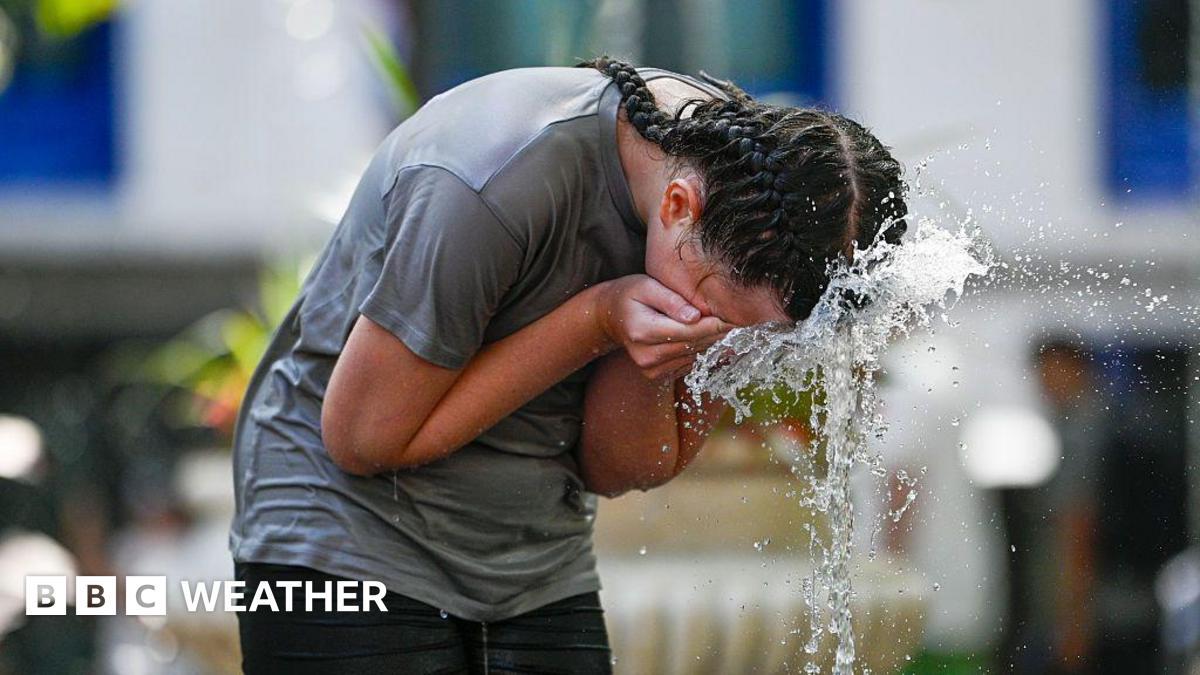
The United Kingdom is bracing for an unprecedented surge in temperatures this Bank Holiday weekend, as meteorologists warn of a record-breaking May heatwave that could shatter a 81-year-old record.
Yellow heat health alerts, normally reserved for the summer months, have been issued for the Midlands, eastern and southeast England from 9 a.m. Friday to 5 p.m. Wednesday. Authorities describe the move as "extraordinary," marking only the second time such early-season warnings have been deployed in the past decade.
📋 By The Numbers
- 33°C — Potential all-time May high set for Monday
- 81 years — Since the last May record of 32.8°C in 1944
- 4 regions — Midlands, eastern and southeast England under alerts
Dr. Anya Gopfert, a public health consultant at the UK Health Security Agency, said the early alerts serve as a critical reminder of the risks posed by sustained warmth. "Vulnerable populations—older adults, young children, and those with chronic conditions—face the greatest danger during prolonged heat," she told BBC Radio 4 on Friday morning. "Even moderate heat can overwhelm health services if not properly managed."
Key Points
- ✅ First heat health alerts issued outside standard June-September window
- ⚡ Temperatures forecast to hit 33°C in southeast England Monday
- 💡 Vulnerable groups urged to stay hydrated and avoid midday sun
Meteorologists at the Met Office confirmed temperatures will climb into the high 20s across much of England and Wales by Sunday, with southern regions—particularly the south Midlands—expected to touch 30°C. A combination of clear skies and a southerly airflow will drive the surge, with the heatwave threshold—defined locally as three consecutive days above 26-28°C—likely to be met in several counties.
| Region | Peak Temperature | Alert Status |
|---|---|---|
| Southeast England | 33°C | Yellow alert |
| East England | 31°C | Yellow alert |
| West Midlands | 29°C | Yellow alert |
| Southwest England | 28°C | No alert |
As temperatures rise, UV levels are also expected to peak at 7 across much of England and Wales—significantly higher than the typical May average of 5-6. Public health experts warn that sunburn could occur within 15 minutes of unprotected exposure, urging the public to cover up, use SPF 30+ sunscreen, and seek shade during peak hours. "This is not typical late-spring weather," said a spokesperson for the Met Office. "We’re seeing conditions more akin to mid-July."
💡 Pro Tip
Use blackout curtains during the day and open windows at night to trap cooler air. Avoid using the oven; opt for salads or cold meals to reduce indoor heat.
Scotland and Northern Ireland will escape the worst, with temperatures topping out in the low 20s under cloudier skies. However, a stray thunderstorm is possible in southeast England on Saturday afternoon, briefly disrupting outdoor plans. The broader trend underscores a sharp rise in early-season heat events, with scientists linking the shift to broader climate warming patterns.
- 📊 The last May bank holiday in 1944 recorded the current record high of 32.8°C
- 🔍 Heatwaves now occur 2-3 weeks earlier in the UK than they did in the 1960s
- ⚠️ Prolonged heat increases pressure on hospitals, especially in areas with older housing stock lacking cooling systems
The UKHSA has advised care homes, schools, and hospitals to review their heatwave preparedness plans, including ensuring hydration stations and shaded outdoor spaces. Local councils in affected regions have begun distributing guidance leaflets to vulnerable households. "This is a test of our resilience," said Gopfert. "Early action saves lives."