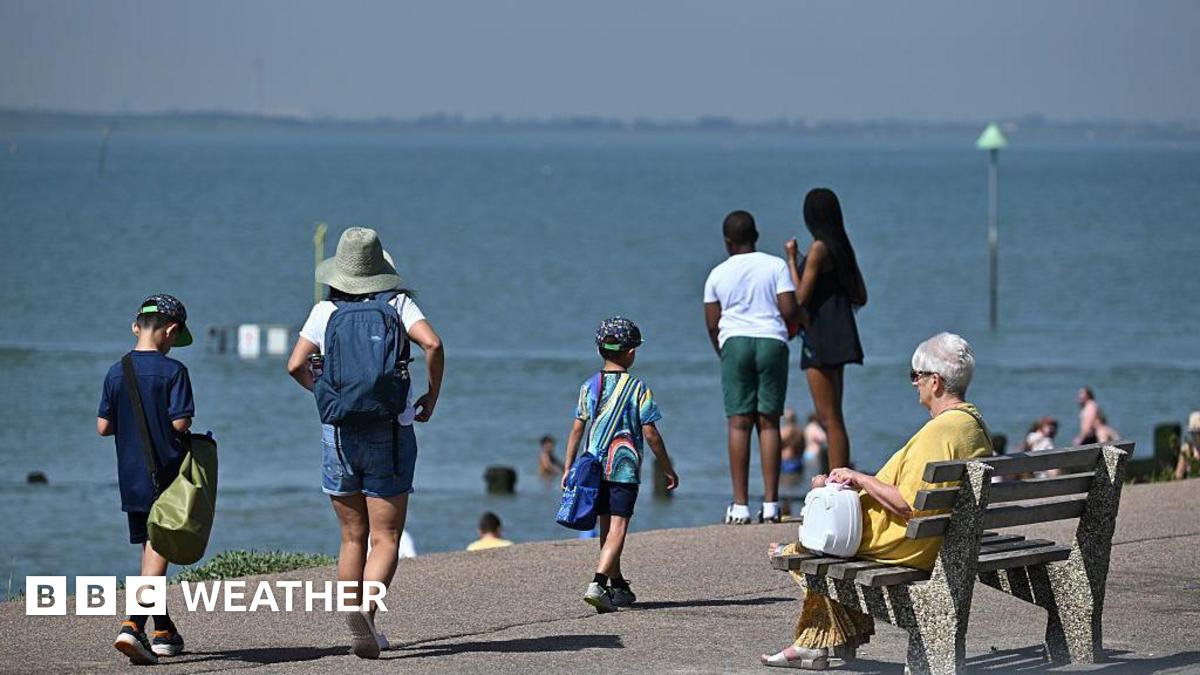
Britain’s weather system is tilting into uncharted territory. In just two days last week, temperatures in central England rocketed from 18C to 35.1C—a jump once seen only during rare summer events now occurring in May. Meteorologists have recorded a 400% rise in days exceeding 10C above seasonal norms since 1990, a shift Dr. Ségolène Berthou of the Met Office calls “a loaded fuse for lethal heatwaves.”
Rapid warming is not an anomaly but a symptom of a warming baseline. The Met Office’s 2024 climate report shows the UK’s hottest days are warming twice as fast as average days, meaning even modest weather systems now push temperatures into extreme territory. Professor Ed Hawkins of the University of Reading warns: “Each spike arrives on a warmer starting line—conditions that 30 years ago would have felt like a heatwave now verge on the deadly.”
💡 Pro Tip
If temperatures rise 10°C in 48 hours, limit outdoor activity for 72 hours to allow vulnerable groups—elderly, infants, and those with chronic illnesses—to acclimatise safely.
Dry ground is amplifying the surge. UK soils are drying 15 days earlier in spring than in 1990, according to satellite data from the Centre for Ecology & Hydrology. Less moisture means less energy is spent on evaporation, so heat builds faster. In southern England, droughts now begin in April, not July, turning fields into heat conductors. Reservoirs in Kent fell 18% below seasonal levels in March 2026, a record low for the decade.
| Factor | 1990 Baseline | 2026 Reality |
|---|---|---|
| Soil moisture index (March) | 0.72 | 0.41 |
| Days above 30°C in May | 0.4 | 3.1 |
| Marine heatwave frequency | 1 every 5 years | 1 every 1.8 years |
Marine heatwaves are adding fuel to the fire. In June 2025, sea surface temperatures around southeast England hit 4.2°C above average, supercharging a high-pressure dome over London. Within 48 hours, the city’s air temperature rose from 22°C to 33°C. A Nature study found marine heatwaves now contribute an extra 1.2°C to land temperatures during early summer, a figure projected to reach 2.1°C by 2035.
Key Points
- ⚡ May heat spikes have increased 7.75-fold since 1990
- 🔥 Dry soils and marine heatwaves now add 1–2°C to peak temperatures
- 📊 Vulnerable groups face 20% higher heat-related mortality during sudden spikes
Wind patterns are turning the dial faster. A south-easterly flow now delivers Saharan air masses to Britain up to six times a year, compared to twice in the 1980s. When these winds arrive, temperatures can jump 12°C in under 24 hours. Last April, Sheffield saw 26°C after a day of northerly winds—unheard of before 2000. “The UK is no longer buffered by the North Atlantic’s cooling influence,” says Dr. Berthou. “We’re directly exposed to continental heat.”
📋 By The Numbers
- 24,000 — Heat-related deaths across Europe in summer 2025, per WHO estimates
- 0.6°C — Additional warming in June 2023 attributed to UK marine heatwaves
- 4.2 — Degrees Celsius above average for May sea surface temperatures in the English Channel, 2026
The human cost is rising in step. During the May 2026 spike, NHS England recorded a 34% surge in heat exhaustion cases in just 72 hours. Cardiac wards in Birmingham saw admissions double for patients over 70. “The body doesn’t have time to adjust,” says Professor Sarah Perkins-Kirkpatrick of the Australian National University. “A jump from 18°C to 35°C is like going from a cool spring day to the surface of a desert in a weekend.”
- Immediate — Limit outdoor exposure during rapid warming events, especially for high-risk groups
- Structural — Retrofit homes with passive cooling systems before next summer
- Systemic — Upgrade urban drainage to reduce heat retention in concrete and tarmac
Climate models suggest this pattern will intensify. By 2030, the UK could see May temperatures hitting 40°C during blocked airflow events, conditions once confined to July. The 2022 record of 40.3°C may soon be surpassed in spring. “We’re not adapting fast enough,” warns Hawkins. “The infrastructure, health systems, and public awareness are still calibrated for a climate we’ve left behind.”