London — Britain’s borrowing costs surged to their highest level in 18 years on Wednesday as political turmoil deepened, sending sterling tumbling and rattling investors already on edge over the country’s economic trajectory.
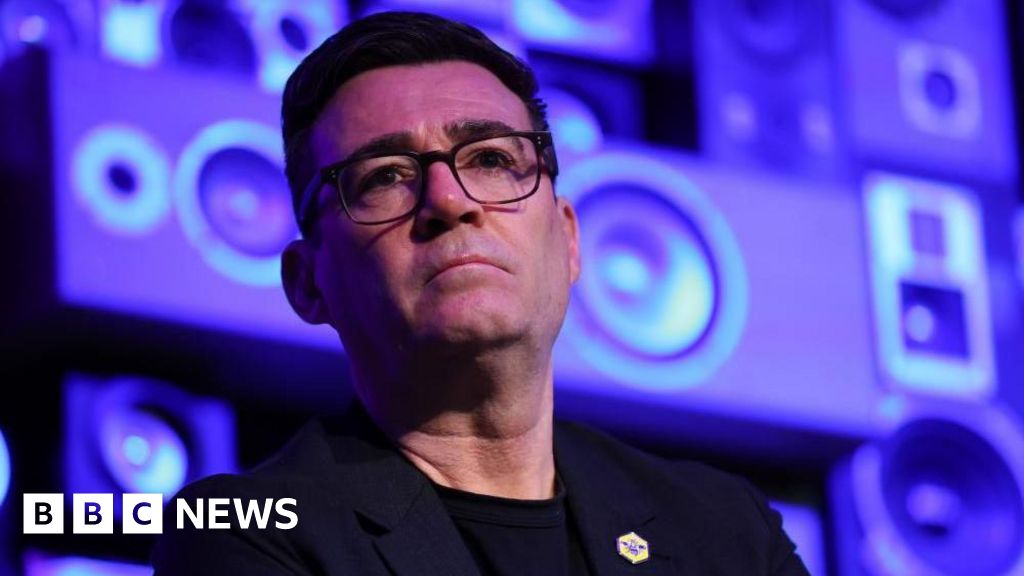
Markets reacted instantly to the escalating leadership battle within the Labour Party, where former Health Secretary Andy Burnham confirmed he will stand in an upcoming by-election, defying party leadership calls to step aside. The move has intensified divisions within Labour and raised questions about its economic policy direction ahead of the next general election.
Key Points
- ✅ Ten-year gilt yields hit 4.87%, the highest since 2006
- ⚡ Sterling fell below $1.25 against the dollar
- 💡 Andy Burnham’s by-election bid deepens Labour leadership crisis
The pound sterling dropped as low as $1.2485, its weakest level since mid-March, while UK government bond yields rose sharply across maturities. Traders cited the political uncertainty as a key driver of the sell-off, with investors demanding higher returns to hold British debt.
| Market Impact | Yield Change | Sterling Value |
|---|---|---|
| 10-year gilt | +0.32% | - |
| 5-year gilt | +0.28% | - |
| Pound vs USD | - | 1.2485 |
Burnham’s announcement came just hours after Labour leader Keir Starmer faced a rebellion from senior MPs over his economic strategy, including calls to reverse planned corporation tax cuts. The escalating infighting has raised concerns about Labour’s ability to present a united front ahead of what polls suggest could be a closely contested election.
📋 By The Numbers
- £23.4 billion — UK public sector net borrowing in February, up from £12.1 billion a year earlier
- £850 billion — Total UK government debt as of January 2024
Analysts at Goldman Sachs warned that prolonged political instability could push borrowing costs higher, further straining public finances. "The risk premium on UK assets is rising," said a senior economist at the bank. "Investors are pricing in greater uncertainty over fiscal policy."
💡 Pro Tip
For sterling traders, the 1.25 level against the dollar is now a critical technical support. A sustained break below could trigger further declines toward 1.22.
The Bank of England, already navigating sticky inflation and a fragile economic recovery, now faces additional pressure to reassess its monetary policy stance. While Governor Andrew Bailey has insisted the bank remains focused on inflation, markets are increasingly pricing in the possibility of a rate hike pause in May.
Key Risks
- 📊 Potential for further gilt yield increases amid political instability
- 🔍 Sterling could weaken below $1.24 if Labour infighting persists
- ⚠️ Higher borrowing costs may force spending cuts or tax hikes
In Westminster, government officials played down the market reaction, attributing the rise in yields to global factors rather than domestic instability. "Financial markets are reacting to a range of international pressures," said a Treasury spokesperson. However, the pound’s sell-off and bond market turbulence suggest investors are not entirely convinced.
| Political Developments | Market Reaction |
|---|---|
| Andy Burnham by-election bid | Pound drops to $1.2485 |
| Labour MP rebellion over tax policy | 10-year gilt yields rise to 4.87% |
| Keir Starmer’s leadership under scrutiny | Goldman Sachs warns of higher risk premium |
As the leadership drama unfolds, economists are warning that prolonged uncertainty could delay investment and weaken growth. The Resolution Foundation estimates that each week of political instability could shave 0.1% off UK GDP growth in the second quarter.
- Immediate Impact — Sterling and gilts react within hours of Burnham’s announcement
- Medium-term Risk — If instability persists, borrowing costs could rise further, increasing debt servicing costs
- Long-term Concern — Delayed fiscal clarity may deter business investment and hiring
For now, all eyes are on Labour’s internal struggles and the Bank of England’s next move. With the general election looming, the stakes couldn’t be higher for a party that has promised economic stability but now faces its own existential crisis.