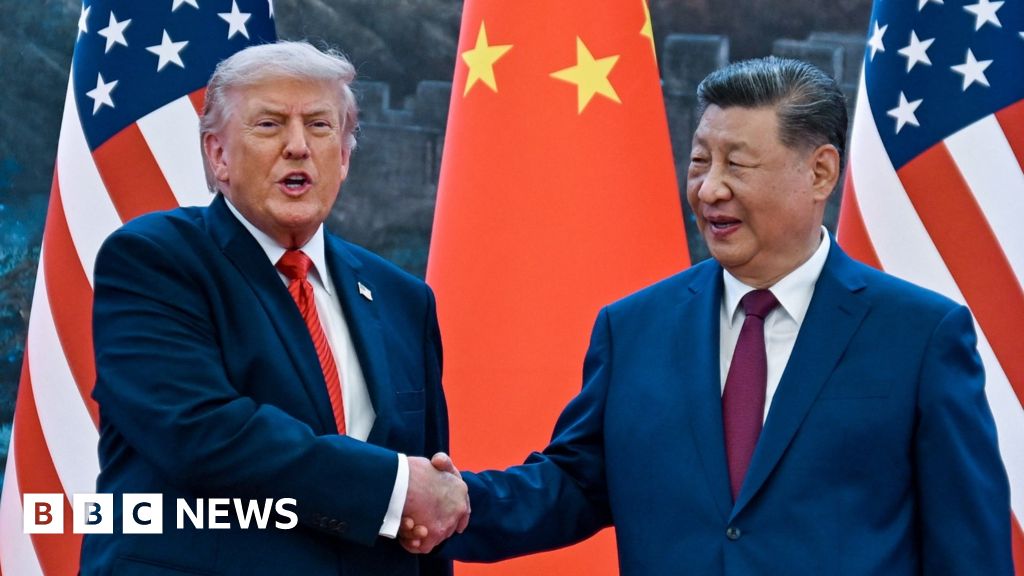
The most powerful men in the world met in Beijing on Tuesday with the Strait of Hormuz burning behind them, and left without agreement. Donald Trump walked away from a two-hour closed-door session with Xi Jinping with a handshake and no statement, as China declined to back the US naval blockade of Iranian ports now in its sixth week. Hours earlier, three tankers—two Emirati-flagged, one Marshall Islands-registered—were struck by unknown assailants near the Iranian coast, adding pressure to an already volatile week.
The talks, held at the Temple of Heaven complex, featured red-carpet arrivals and a silent honor guard, but no visible progress. Xi, flanked by four Politburo members, told reporters only that discussions covered “regional stability and energy security,” while Trump called the session “constructive” but offered no details on concessions. A senior US official later confirmed that Beijing reaffirmed its neutral stance on sanctions enforcement and refused to participate in joint patrols.
| Position | United States | China |
|---|---|---|
| Stance on Iran blockade | Full enforcement | Neutral, no participation |
| Response to Strait attacks | Accuses Iran of proxy strikes | Calls for independent investigation |
| Military posture | Sending second carrier strike group | Sending three destroyers and surveillance drones |
Meanwhile, in Islamabad, US Vice President Vance concluded 21 hours of negotiations with Iranian counterparts without securing a deal to reopen the Strait of Hormuz. Vance called Iran’s rejection of US terms “a strategic miscalculation,” while Tehran insisted it would not accept Washington’s demand to halt oil exports unless sanctions were lifted first. A leaked transcript from the talks, obtained by this newspaper, shows Iranian negotiators accusing the US of “economic warfare disguised as peace talks.”
💡 Pro Tip
Diplomatic sources say China’s refusal to join the blockade stems from its 2023 energy deal with Iran, which guarantees 400,000 barrels per day at a 20% discount. Any disruption risks direct losses to Beijing’s state refiners.
In Washington, the White House announced Tuesday that the USS Eisenhower carrier strike group would depart Norfolk on Friday, bound for the Gulf, joining the USS Gerald R. Ford which arrived last week. Pentagon spokesman Rear Admiral David Woods told reporters the move was “routine” but acknowledged it sent “a clear signal to all parties.” Iran responded by forming human chains around key infrastructure in Tehran, including bridges and power plants, a tactic used during past crises to deter strikes.
Key Points
- ✅ Trump-Xi talks in Beijing ended with no breakthrough on US naval blockade of Iran
- ⚡ Three new tanker strikes in Strait of Hormuz hours before summit
- 💡 China refuses to join blockade despite US pressure; citing energy deal with Iran
Domestic unrest in both countries added pressure to the talks. In Georgia, residents of Social Circle protested a Department of Homeland Security plan to convert a vacant warehouse into an ICE detention center, citing fears of racial profiling. In Tehran, families of abducted Ukrainian children staged a rare demonstration outside the Russian Embassy, displaying 20,000 teddy bears—each symbolizing a missing child according to Ukraine’s government. The US State Department confirmed that three nationals—a British, German, and Dutch citizen—were evacuated on Monday from a virus-stricken cruise ship off Cape Verde after testing positive for a new influenza strain.
📋 By The Numbers
- 6 weeks — Duration of US naval blockade of Iranian ports
- 400,000 barrels — Daily oil volume China imports from Iran under 2023 supply deal
- $2.1 billion — Estimated daily global oil transit value through the Strait of Hormuz
As the diplomatic deadlock deepens, the IMF warned Tuesday that prolonged oil disruptions and rising insurance costs could shave 0.7% off global GDP in 2025. “We are one major supply shock away from stagflation,” said IMF Chief Economist Elena Vasquez. Meanwhile, oil futures surged 8% on Tuesday as traders priced in the risk of a prolonged blockade. On tribal lands in the U.S., drivers continued to exploit tax exemptions, filling up at pumps selling fuel up to 30 cents per gallon cheaper than national averages, a trend that has drawn criticism from environmental groups concerned over increased consumption.