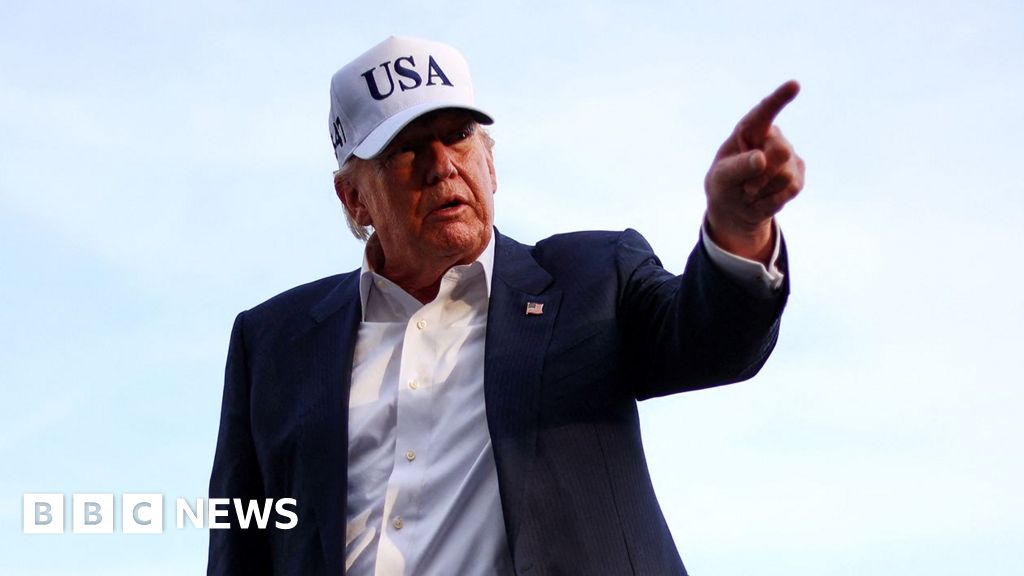
Donald Trump issued a blunt directive to Taiwanese leadership on Wednesday, urging them to abandon any ambition toward formal independence. The warning came less than 24 hours after his closed-door meeting with Chinese President Xi Jinping at the Great Hall of the People in Beijing, according to three sources briefed on the exchange.
Key Points
- ⚠️ Trump’s warning follows Beijing’s long-standing demand for reunification
- 🇹🇼 Taipei denies any change in its de facto independent status
- 🔄 The message was delivered during a sensitive diplomatic window
The White House confirmed the conversation took place but declined to specify the wording used. Taiwan’s Ministry of Foreign Affairs stated it had received no formal request from Washington to alter its position, emphasizing the island’s commitment to maintaining the status quo.
| Statement | Taiwan | White House |
|---|---|---|
| Position on independence | No change | Urged restraint |
| Timing of remarks | Previously denied | Post-Beijing meeting |
Trump’s warning reflects escalating pressure from Beijing, which has intensified military drills near Taiwanese waters and airspace since last year. Taiwanese defense officials reported 18 Chinese aircraft breaches of the island’s air defense identification zone on Tuesday alone, the highest single-day total this year.
President Tsai Ing-wen, in a nationally televised address Thursday, reaffirmed Taiwan’s stance: “We will never bow to coercion, nor will we provoke conflict.” Her remarks followed Trump’s warning, which was conveyed through backchannel diplomatic channels rather than a public statement.
- First — Trump’s message was delivered via a secure diplomatic pouch to Taipei’s representative in Washington.
- Second — The warning did not include explicit threats but stressed the risks of unilateral moves.
- Third — Taiwanese officials interpreted the message as a signal to avoid actions that could provoke Beijing.
Analysts suggest the timing of Trump’s warning is critical. China is preparing for its annual National People’s Congress next month, where Xi is expected to consolidate power and reiterate calls for Taiwanese reunification. Meanwhile, Taipei is under pressure from domestic factions advocating for a formal declaration of independence.
📋 By The Numbers
- 18 — Chinese military aircraft breaches of Taiwan’s ADIZ in one day
- 2024 — Year Xi is expected to push for reunification rhetoric during NPC
- Zero — Public acknowledgment from Trump’s administration of a formal policy shift
U.S. officials privately acknowledge the delicate balance in managing relations with both Taipei and Beijing. “The goal is to prevent miscalculation,” said a senior State Department official who requested anonymity. “Taiwan’s autonomy is not negotiable, but neither is avoiding a crisis.”
💡 Pro Tip
Diplomatic sources recommend avoiding public statements that could be misinterpreted as endorsing or rejecting Taiwanese independence, as such ambiguity often serves as the least destabilizing option in U.S.-China-Taiwan relations.
The warning from Trump adds another layer of complexity to an already tense regional dynamic, where every word and maneuver carries geopolitical weight. With Beijing’s military posturing showing no signs of easing, the question now is whether Taipei will heed the warning—or whether internal political pressures will push it toward a definitive stance on independence.
- 📊 Taiwan’s defense budget increased by 7% this year, the largest hike in a decade
- 🔍 China’s recent drills simulate a blockade of Taipei’s ports
- ⚠️ Analysts warn that any Taiwanese declaration of independence could trigger immediate economic sanctions from Beijing