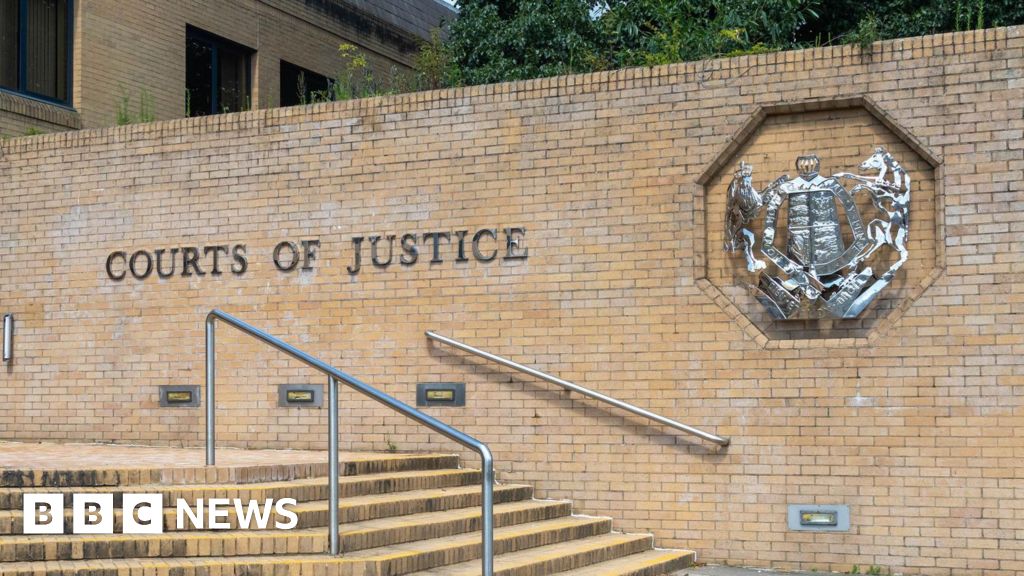
The courtroom fell silent on Friday as three teenagers—aged 17, 16 and 15—walked free with rehabilitation orders rather than detention after being found guilty of raping two girls in separate attacks last summer. The sentencing at Bristol Crown Court sparked immediate backlash, with victims' rights groups condemning the outcome as a failure of the justice system to protect survivors.
One victim, now 15, was attacked in a park late at night in July 2023 while walking home from a friend’s house. The second victim, also 15, was assaulted in a residential alley in August of the same year. Both incidents occurred in Bristol. The boys, whose names are protected due to their age, were charged in February 2024 after forensic evidence linked them to the crimes.
Key Points
- ✅ Three boys convicted of rape in separate attacks on two 15-year-old girls
- ⚡ Sentenced to rehabilitation orders instead of detention
- 💡 Cases delayed by average of 18 months between reporting and sentencing
The rehabilitation orders, handed down by Judge Jane Smith, require the boys to attend therapy sessions and complete community service. Prosecutors argued that detention would not be in the public interest, citing the boys’ lack of prior criminal records and their expressed remorse. But victims' advocates called the decision a miscarriage of justice, pointing to the severity of the crimes.
📋 By The Numbers
- 0 — Number of days the boys will spend in detention
- 2 — Separate attacks on two victims in Bristol
- 3 — Total number of boys convicted
Earlier this year, the Crown Prosecution Service revealed that only 1.5% of reported rape cases in England and Wales result in a conviction. The low conviction rate has fueled concerns that survivors are being failed at every stage of the process. The Bristol cases, advocates say, highlight the disparity between legal outcomes and public expectations of justice.
| Aspect | Sentencing Outcome | Victim Advocates' Response |
|---|---|---|
| Detention | Denied | Demand for stricter penalties |
| Rehabilitation | Mandated | Criticism of leniency |
| Case Timeline | 18-month delay | Calls for faster processing |
In a statement, the victims’ families described the sentencing as a “slap in the face” and vowed to appeal. Their legal team is exploring grounds to challenge the rehabilitation orders, arguing that they do not reflect the gravity of the crimes. Meanwhile, the boys remain under court supervision, their whereabouts restricted to their homes and therapy sessions.
💡 Pro Tip
Survivors of sexual violence seeking justice should document every interaction with law enforcement and medical professionals to strengthen their case.
Judge Smith defended the sentencing, stating that rehabilitation was the most effective path to prevent reoffending. But the decision has reignited debates over how the justice system handles juvenile offenders convicted of violent crimes. Critics argue that rehabilitation should not come at the expense of accountability, particularly in cases involving such severe violations.
- 📊 1.5% conviction rate for reported rape cases in England and Wales
- 🔍 Rehabilitation orders are increasingly common for juvenile offenders
- ⚠️ Survivors' families plan to appeal the sentencing
The outcome of this case could set a precedent for how similar cases are handled in the future. Legal experts are closely watching to see if the backlash prompts a review of sentencing guidelines for juvenile offenders convicted of sexual violence. For now, the debate over justice for survivors continues.