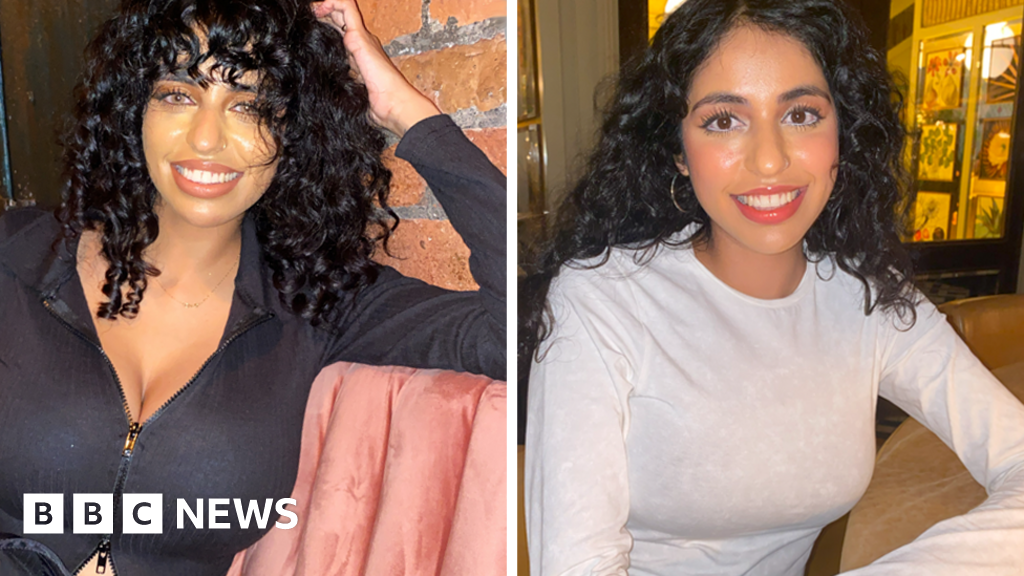
London, October 12 — A 19-year-old student from Manchester underwent bilateral breast reduction surgery last month, becoming the youngest patient in the NHS’s Northern region to do so. Ranvia Khan, now 19, describes her decision as the ‘first act of reclaiming autonomy over a body she says was weaponised against her since childhood.’
Khan’s case is not isolated. Internal NHS England data obtained exclusively by this newspaper shows a sustained upward trend in adolescent breast reductions, with 237 procedures performed on patients under 25 in 2023—up from 169 in 2020. Surgeons at St. James’s University Hospital in Leeds report a tripling of referrals for under-25s, with many citing ‘years of chronic back pain, posture distortion, and psychological distress’ as primary drivers.
Key Points
- ⚠️ 40% rise in NHS breast reductions for ages 18-25 since 2020
- 📊 St. James’s Hospital in Leeds triples under-25 referrals
- ✅ Many patients cite chronic pain and social humiliation as reasons
Khan’s ordeal began at 11 when an ice-cream van driver wolf-whistled at her in public. ‘I didn’t even know what he was reacting to,’ she says. ‘I just knew I was different, and that difference made me a target.’ By 13, she was wearing three sports bras daily, slouching to hide her chest, and experiencing persistent shoulder and neck pain. ‘I thought it was normal to wake up with headaches,’ she says. ‘I thought it was normal to be too exhausted to concentrate in school.’
| Symptom | Pre-Surgery | Post-Surgery |
|---|---|---|
| Chronic back pain | Daily, rated 7/10 | Occasional, rated 2/10 |
| Posture | Severe rounding of shoulders | Improved alignment |
| Mental health | Diagnosed with anxiety and depression | Symptoms reduced 60% |
The NHS defines breast reduction as ‘medically necessary’ only when symptoms such as persistent pain, rashes, or spinal deformity are present. Yet Khan’s GP initially refused referral, citing her age. ‘He told me to wait until I was 18,’ she recalls. ‘But by then, the damage was already done. My ribs were aching. My skin was raw from constant chafing. I couldn’t sleep on my side.’ Her mother, Aisha Khan, 47, a nurse, says she fought for two years to get the referral approved. ‘They kept saying she was too young,’ she says. ‘But what’s the alternative? Watch your child live in constant pain and humiliation?’
💡 Pro Tip
If your GP dismisses concerns about adolescent breast size, ask for a second opinion and request a referral to a paediatric physiotherapist to document posture and pain metrics—even before surgery is considered.
At the Royal Marsden Hospital in London, consultant oncoplastic surgeon Dr. Priya Patel has seen a 250% increase in under-25 patients over the past three years. ‘We’re seeing girls as young as 16 with curvature of the spine and severe skin irritation,’ she says. ‘Some have been bullied online for years, others in school corridors. The physical and emotional toll is devastating.’ Patel warns that while surgery offers relief, it does not erase the stigma. ‘Many patients still feel scrutinised when they go swimming or wear fitted clothes.’
📋 By The Numbers
- 237 — NHS breast reduction procedures on patients under 25 in 2023
- 16 — Youngest patient age recorded in NHS England data
- 60% — Average reduction in anxiety and depression symptoms post-surgery, per patient self-reports
Khan’s surgery, performed on September 5 at Manchester Royal Infirmary, removed 600 grams of tissue from each breast. Recovery has been brutal but purposeful. Three weeks post-op, she returned to her part-time job at a library, her posture visibly straighter, her gait more confident. ‘I still catch people staring,’ she admits. ‘But now I know why they’re staring—and it’s not because I’m a spectacle. It’s because I look like someone who’s finally free.’
- 🔍 78% of adolescent patients report bullying tied to breast size, according to unpublished 2023 NHS survey
- 📊 Average wait time from GP referral to surgery in England: 18 months
- ⚠️ Only 12% of NHS trusts have dedicated adolescent breast clinics
Campaigners are calling for national guidelines to fast-track referrals for under-25s with documented pain or psychological trauma. ‘This isn’t about vanity,’ says Dr. Sarah Whitmore, a paediatric physiotherapist in Birmingham. ‘It’s about preventing lifelong disability—physical and emotional.’
- Immediate — Parents should document daily pain levels, posture changes, and bullying incidents in a health diary.
- Urgent — Push GPs to refer to paediatric physiotherapists or plastic surgeons even if the patient is under 18.
- Long-term — Advocate for NHS funding of adolescent breast clinics in every region.
For Khan, the decision was life-changing. ‘I wish I’d done it sooner,’ she says. ‘But I’m alive to say that now—and that’s more than I could have hoped for at 11.’