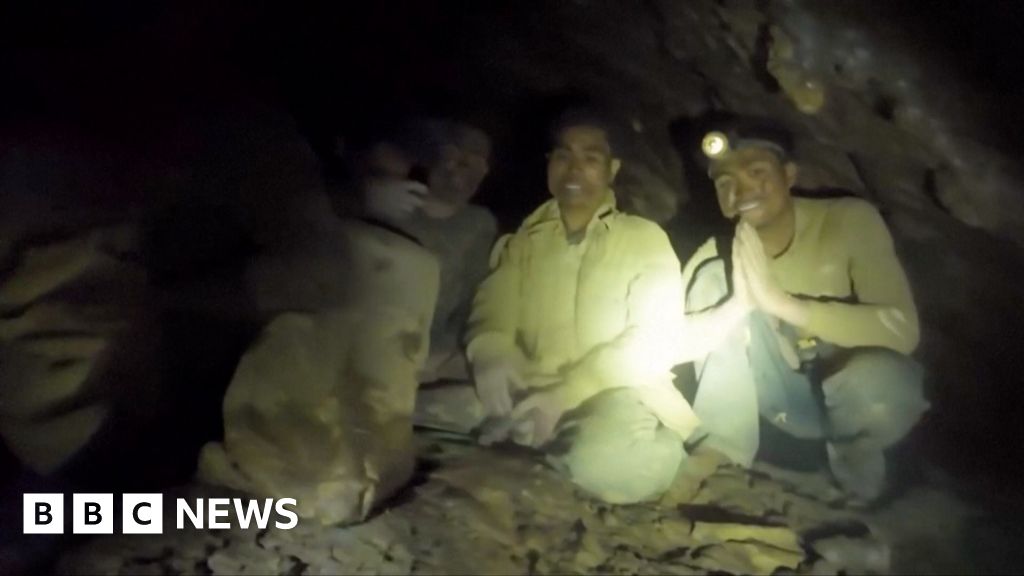
A daring cave rescue in northern Laos has pulled five villagers to safety after they spent a week trapped by flash floods, while two others remain missing. The survivors were located in a remote cave near Phonsavan after days of frantic searches involving international teams of cave divers and rescue dogs.
Footage released Sunday showed the survivors, visibly weakened but conscious, being led through narrow, debris-filled passages by rescue workers. The group had entered the cave on May 2 looking for gold deposits and wildlife, unaware the entrance would be sealed by landslides triggered by days of relentless rain. Authorities confirmed the cave’s main exit was completely blocked, leaving the villagers with no route to escape.
Key Details
- ⚠️ Cave entrance sealed by landslides on May 3
- 🔍 Rescue teams used sonar mapping to locate survivors
- 🏞️ Cave system spans over 2 kilometers of treacherous terrain
International aid arrived from Thailand, Vietnam, and France, including specialist divers from the British Cave Rescue Council. Rescue coordinator Capt. Somsak Phimpha said the team had to drill ventilation shafts and pump water to lower the cave floor before making contact. "The conditions were extreme—zero visibility, jagged rock, and rising water," he told reporters in Phonsavan. "Every step was a risk."
| Rescue Effort | Team | Role |
|---|---|---|
| Cave Divers | British Cave Rescue Council | Primary contact with survivors |
| Medical Support | Laos Red Cross | Stabilisation and evacuation prep |
| Logistics | Thai Army | Water pumps and transport |
The two missing villagers are believed to have been swept away by floodwaters while trying to find an alternate exit. Search teams are using drones and underwater cameras to scan submerged sections of the cave, but efforts have been hampered by aftershocks and continued rain. Local officials warned that further landslides could collapse remaining tunnels, complicating rescue work.
📋 Survival Facts
- Water levels — Rose 3 meters in 48 hours before rescue
- Oxygen levels — Dropped to 12% inside cave during peak flood
- Food supply — Survivors rationed a single water bottle
Survivors were airlifted to a hospital in Vientiane for treatment of dehydration and minor injuries. Doctors reported they had consumed cave water and a small stash of expired energy bars found in a backpack. One survivor, 34-year-old farmer Khamphoui Phomma, told reporters he had given up hope after the third day. "We heard voices above us, but we didn’t know if they were real or just our minds playing tricks," he said. "Then the light came—and we knew we were saved."
💡 Pro Tip
Cavers should always carry a whistle, headlamp, and extra batteries—even on short trips. In flooded caves, these can mean the difference between being found and being lost forever.
As the nation grapples with the aftermath, the Laos government has pledged to install early-warning systems in high-risk cave areas. But experts warn that climate change is intensifying monsoon seasons, making such tragedies more likely. Geologist Dr. Viengkham Sayavong said the cave system had never flooded to this degree in recorded history. "This is a new reality," he said. "What used to be rare is now becoming routine."
- 🌧️ Laos saw 30% above-average rainfall in April, triggering multiple landslides
- 🗺️ The cave is part of a 2.8 km network near the Plain of Jars, a UNESCO World Heritage site
- ⚠️ Local guides say no official cave tourism permits were issued for May 2
The rescue has drawn comparisons to the 2018 Thai cave rescue, though on a smaller scale. This time, the absence of children and the shorter duration may help survivors recover physically, but the psychological toll remains unclear. Family members of the missing have set up camp outside the cave entrance, holding nightly vigils with lanterns and prayers. "We won’t leave until we know," said Mai, the sister of the youngest missing villager, 19-year-old Sengphachan.