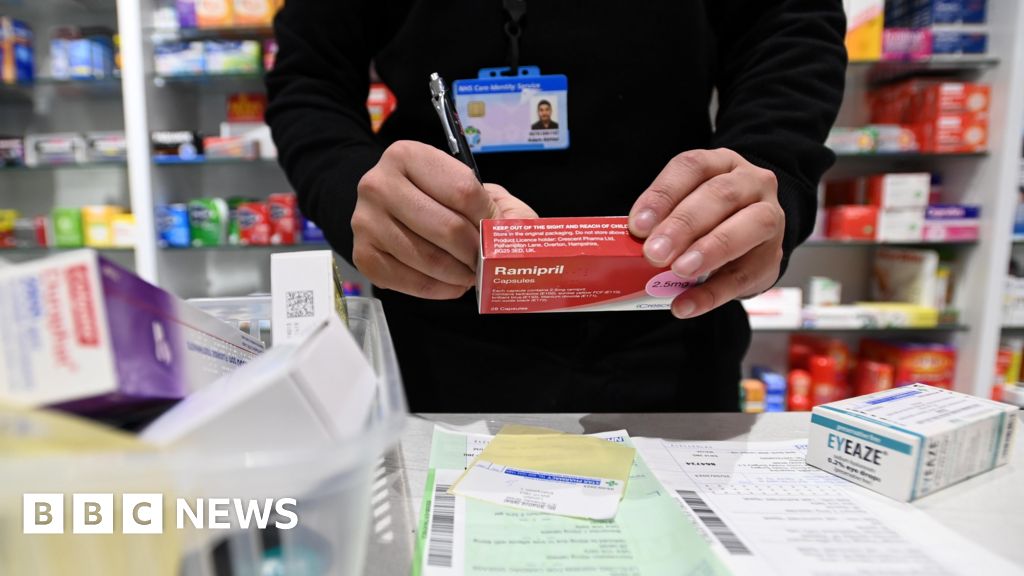
Thousands of community pharmacists in England will begin prescribing medications independently for the first time this October, a radical expansion of their role designed to slash waiting times for patients and reduce the burden on GP clinics and emergency services. Under new regulations approved by NHS England, pharmacists who complete an additional training program will be authorized to issue prescriptions for a range of common conditions, including urinary tract infections, sinusitis, and skin infections, without requiring a GP referral. The initiative is part of a £15 million government-funded pilot project running in 200 pharmacies across 17 regions, including Greater Manchester, Hampshire, and the West Midlands.
📋 By The Numbers
- 200 — Number of pharmacies participating in the pilot scheme
- 17 — Number of NHS regions covered by the expansion
- October — Scheduled start date for new prescribing powers
Health officials describe the move as a response to the country’s worsening primary care crisis, where GP surgeries are overwhelmed by demand and patients face average waits of 15 days for non-urgent appointments. The British Medical Association has raised concerns about patient safety, arguing that pharmacists lack the training to diagnose complex conditions, while NHS England counters that the additional accreditation ensures competency. Pharmacists involved in the program will receive 26 days of training, including case studies and simulated consultations, with ongoing supervision by clinical leads.
For patients, the change means faster access to treatment. A typical scenario now involves a patient with a suspected sinus infection waiting days for a GP appointment, only to be prescribed antibiotics they could have received immediately from their pharmacist. The pilot follows successful trials in Scotland, where independent prescribing by pharmacists reduced GP workload by 12% over 12 months. The results have emboldened NHS England to roll out the program nationally by 2026 if the pilot proves effective.
| Condition | Current process | New process |
|---|---|---|
| Urinary tract infection | GP appointment required | Pharmacist consultation and prescription |
| Sinusitis | GP appointment required | Pharmacist assessment and treatment |
| Skin infections | GP appointment required | Pharmacist diagnosis and prescription |
Critics argue the expansion risks fragmenting care, with pharmacists diagnosing conditions they are not trained to manage long-term. Dr. Sarah Whitmore, a GP in Bristol, called the move “a step in the right direction but not a silver bullet,” warning that some patients with underlying conditions could be misdiagnosed. NHS England counters that pharmacists will operate under strict protocols and have access to patients’ GP records via the Summary Care Record system, ensuring continuity of care.
Key Points
- ✅ October launch — Independent prescribing begins for 200 pilot pharmacies
- ⚡ £15 million — Government funding for the two-year trial
- 💡 26-day training — Mandatory accreditation for participating pharmacists
The pilot will be closely monitored for patient outcomes, with a formal evaluation scheduled for spring 2025. If successful, NHS England plans to extend the program to all community pharmacies by 2026, potentially transforming primary care access for millions. The move aligns with the government’s broader agenda to integrate community pharmacies more deeply into the NHS, including plans to offer blood pressure checks, contraception services, and flu vaccinations by next year. For now, patients in participating regions are being urged to check with their local pharmacy to see if they offer the new service.
💡 Pro Tip
Call ahead to confirm your pharmacy’s participation—some locations may not yet have completed training. Bring your NHS number and a list of current medications to streamline your consultation.
The expansion comes amid record strikes by junior doctors and nurses, highlighting the NHS’s struggle to meet demand with its current workforce. By shifting routine care to community pharmacists, NHS England aims to free up 1.2 million GP appointments annually, easing pressure on an overburdened system. Whether the pilot succeeds could determine the future of primary care in England—or signal a risky gamble with patients’ health.