Heatherwood Hospital in Ascot, Berkshire, quietly executed one of the NHS’s most ambitious operational feats last week—a high-efficiency week designed to slash surgical backlogs and reset patient expectations in a single, frenetic sprint.
Orthopaedic surgeon Rakesh Kucheria, leading the charge, operated on 10 hips and knees in a single day—double his usual volume. The feat required meticulous planning: theatres ran back-to-back without downtime, outpatient rooms were repurposed for pre-op checks, and X-ray and MRI slots were stretched to accommodate the surge. Extra staff were drafted from other Frimley Health sites, and every patient arrived fully prepared to avoid last-minute cancellations.
Key Points
- ✅ 23% increase in theatre output during the high-efficiency week
- ⚡ 10 joint replacements performed in one day by a single surgeon
- 💡 Pre-planned patient lists eliminated last-minute cancellations
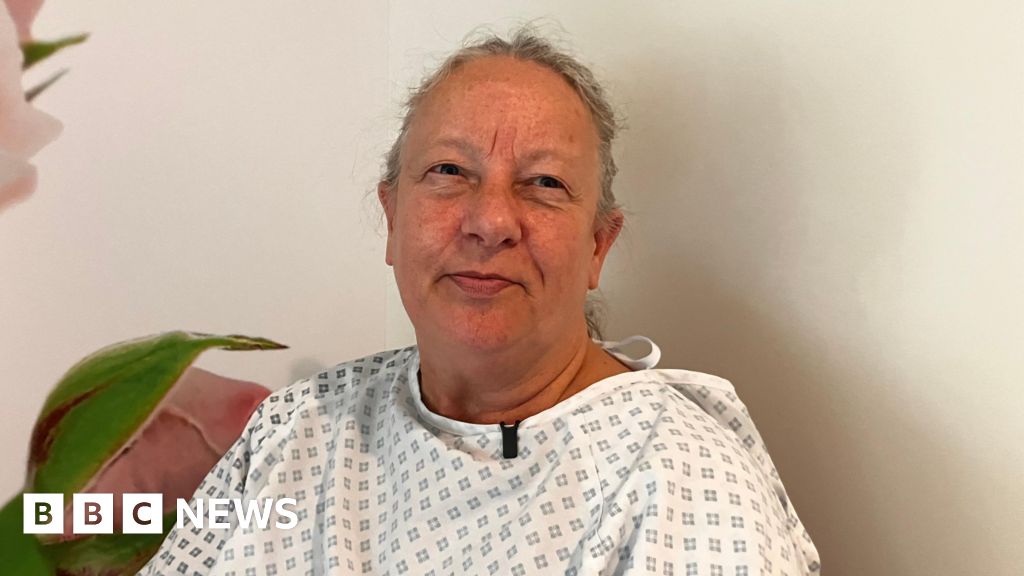
Among those benefiting was Vanda Instone, 64, who had waited 48 weeks for her first hip replacement. “I’m glad this day has come,” she said before surgery, her voice steady despite visible nerves. By the end of the day, she was resting in recovery, pain-free thanks to the operation. “Really good,” she told staff. “I don’t feel any pain at all.”
| Performance Metric | Average Week | High-Efficiency Week |
|---|---|---|
| Number of joint replacements | 5 per day | 10 per day |
| Theatre utilisation | 65% | 98% |
| Outpatient scans completed | 100 per week | 117 per week |
The initiative is part of a broader NHS strategy to reduce the 1.6 million patients still waiting over 18 weeks for elective treatment across England. Heatherwood, operated by Frimley Health NHS Foundation Trust, narrowly missed the government’s interim target of treating 65% of patients within 18 weeks by March 2026, clocking in at 61.2%. But the trust has made significant progress: the number of patients waiting over a year has dropped from thousands to a few hundred in two years.
📋 By The Numbers
- 18 weeks — National target for consultant-led elective treatment waits
- 61.2% — Frimley Health’s compliance rate in 2025/26
- 92% — Target compliance rate by March 2029
Tina Benson, Frimley Health’s chief operating officer, acknowledged the challenge: “Two years ago, some patients were waiting two years. Now, only a few hundred are waiting over 52 weeks.” She stressed that while high-efficiency weeks aren’t sustainable year-round, they provide critical insights into how to permanently reshape capacity. “We’ve improved by 11% this year and are committed to doing more,” she said. “It’s disappointing we can’t move faster, but we’re making progress.”
💡 Pro Tip
Hospitals running high-efficiency weeks prioritise pre-op patient readiness and staggered staff rotations. Avoid last-minute scheduling changes by confirming patient and equipment availability at least 72 hours in advance.
The NHS’s national trajectory is steep: the 18-week target will rise to 70% by March 2027 and 92% by March 2029. Heatherwood’s week was a microcosm of what’s possible when resources align. But the model’s success hinges on temporary conditions—extra staff, extended hours, and focused case selection—that cannot be maintained indefinitely. Still, for patients like Instone, it offers a rare moment of relief in a system under relentless pressure.
Why These Weeks Work
- 📊 Tight scheduling reduces idle time between procedures
- 🔍 Standardised pre-op protocols eliminate delays on the day
- ⚠️ Staff burnout risk is managed through temporary boosts, not permanent expansion
As Kucheria scrubbed in for his final operation, he paused to reflect on the week’s achievements. “We’ve proven what’s possible when we push the boundaries,” he said. “The challenge now is sustaining this momentum without burning out our teams.” For patients awaiting treatment, that challenge is more than abstract—it’s the difference between another month of waiting and getting their life back.