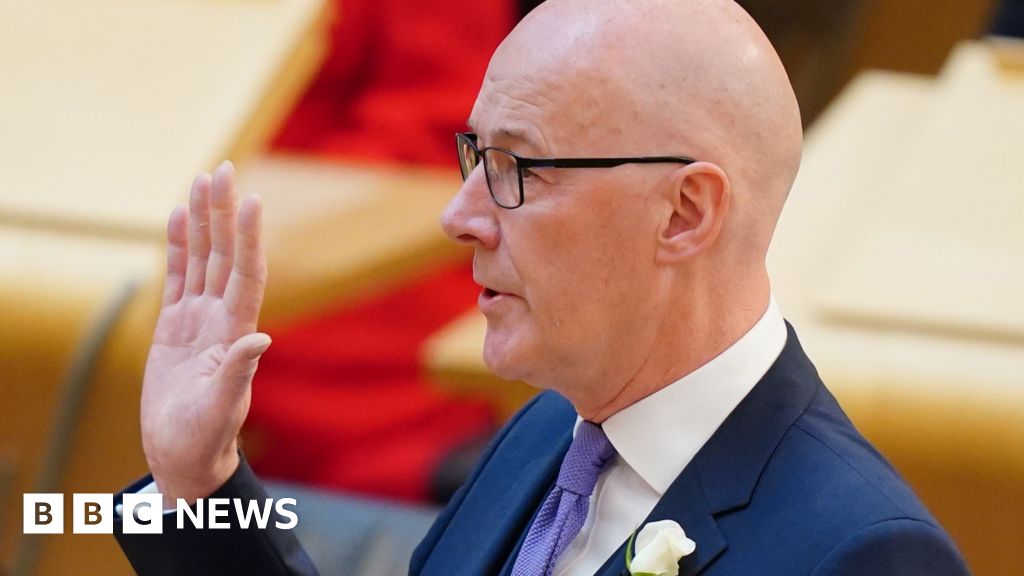
EDINBURGH — The Scottish Parliament echoed with 129 fresh voices on Tuesday as every MSP, including 64 first-time members, took their oaths of allegiance to the King in a ceremony unlike any before it. The chamber, draped in tartan and festooned with floral decorations, bore witness to history as parliamentarians recited their pledges in 11 languages—from Scots and Gaelic to Hindi, Polish, Mandarin and French. For the first time, British Sign Language joined the roll call, as Karen Adam, SNP member for Banffshire and Buchan Coast, delivered her oath in sign.
Among the new intake, Moray’s Laura Mitchell made a symbolic gesture, carrying a charred stave from the Clavie fire ritual—a centuries-old tradition from Burghead believed to bring prosperity. The stave, blackened by the annual winter bonfire, was held aloft as Mitchell took her seat, a silent nod to continuity amid political change.
Key Moments
- ✅ Karen Adam becomes first MSP to use British Sign Language during oath
- ⚡ Laura Mitchell carries Clavie stave, a 400-year-old fire ritual relic
- 💡 11 languages used, including Scots, Gaelic, Mandarin and French
The multilingual inauguration underscored Scotland’s cultural diversity, but it was the floral lapel pins that stole the show. Each party staked its claim through blooms: white roses for the SNP and Conservatives, red for Labour, heather for Reform UK, fuchsia gerbera for the Greens, and mixed bouquets for the Liberal Democrats. Some wore traditional dress, with MSPs from Pakistani, Indian and Eastern European backgrounds donning heritage attire.
| Party | Flower or Symbol | Notable Moment |
|---|---|---|
| SNP | White rose | Karen Adam’s BSL oath |
| Conservatives | White rose | Shared symbol with SNP |
| Labour | Red rose | Traditional emblem |
| Reform UK | Scottish heather | Nod to unionist symbolism |
| Greens | Fuchsia gerbera | Vibrant, unconventional choice |
| Liberal Democrats | Mixed bouquet | Inclusive representation |
Tuesday’s ceremony also marked a shift in parliamentary demographics. Nearly half the new intake—64 MSPs—are serving their first term, a record turnover that reflects the SNP’s reduced majority and the rise of smaller parties. The youngest member, 22-year-old Eve Simpson of the Greens, took her oath alongside the chamber’s longest-serving returning member, 68-year-old Labour veteran Tom McCabe.
📋 By The Numbers
- 64 — First-time MSPs, the highest in a decade
- 11 — Languages used in oaths, a record for Holyrood
- 400 — Years Clavie stave has been passed down
As the oaths concluded, the newly sworn-in members prepared for their first parliamentary business: electing a new presiding officer, Holyrood’s equivalent of the Speaker. The role, traditionally a formality, carries new weight this term amid heightened scrutiny of the parliament’s transparency and accessibility.
💡 Pro Tip
Avoid the east wing stairwell near 3 p.m.—it’s the busiest corridor when MSPs flock to the chamber for First Minister’s Questions.
Behind the pageantry, tensions simmered. The SNP, though still the largest party, lost its outright majority, forcing it to rely on smaller groupings to pass legislation. Meanwhile, Reform UK’s debut presence—marked by heather pins—signaled a hardening of the right’s stance on devolution and immigration. Green MSPs, buoyed by electoral gains, pushed for the chamber’s first climate emergency debate within the week.
- First order of business — Election of presiding officer, expected to be a contested vote
- Second priority — SNP and Greens to negotiate a cooperation agreement
- Third challenge — Reform UK vows to challenge Holyrood’s spending powers
The ceremony ended with a standing ovation, but the real work begins Wednesday. As the MSPs file into their new offices—a prized commodity in the cramped Holyrood complex—one question lingers: Can this diverse, multilingual parliament deliver the stability Scotland’s voters demanded?