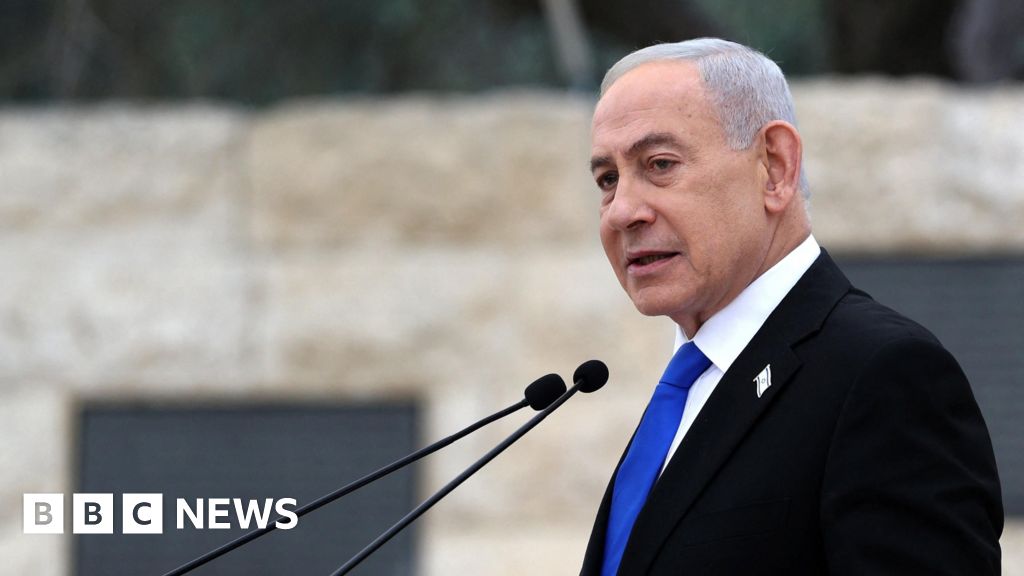
Prime Minister Benjamin Netanyahu has ordered the Israel Defense Forces to seize operational control over 70% of the Gaza Strip, a dramatic escalation in Israel’s eight-month military campaign against Hamas. The directive, issued late Sunday, mandates the IDF to establish dominance across the territory by early 2025, marking the most sweeping territorial claim since the war began in October 2023.
Speaking from Jerusalem, Netanyahu framed the decision as a strategic necessity to dismantle Hamas’s infrastructure and prevent its resurgence. "We will not allow terror groups to operate freely in any part of Gaza," he told reporters. The announcement comes amid mounting international pressure to reduce civilian casualties and restore stability in the region. Critics argue the plan could exacerbate humanitarian conditions and trigger wider conflict.
Key Points
- ⚔️ IDF ordered to control 70% of Gaza by early 2025
- 🔍 Aim is to dismantle Hamas’s operational capacity
- ⚠️ Risks escalating violence and worsening humanitarian crisis
The IDF’s Southern Command has begun redeploying units to enforce the new directive, with armored divisions moving into northern Gaza and artillery batteries positioning near Rafah. Defense officials confirmed that the operation will prioritize high-value Hamas targets, including command centers, weapons caches, and tunnel networks. However, the scale of the mission requires additional conscripts and logistical reinforcements, straining an already stretched military.
| Area | Current Control | Target by 2025 |
|---|---|---|
| Northern Gaza | 60% | 100% |
| Central Gaza | 40% | 80% |
| Southern Gaza | 50% | 60% |
Humanitarian groups warn that the expansion could displace another 200,000 civilians, compounding the 1.7 million already displaced since October. The UN Relief and Works Agency (UNRWA) has called for immediate ceasefires, citing "catastrophic" conditions in Rafah, where over 1 million people are sheltering in overcrowded facilities.
📋 By The Numbers
- 1.7 million — Gazans displaced since October 2023
- 1,200+ — Israeli deaths from October 7 Hamas attacks
- 37,000+ — Palestinian deaths reported in Gaza since October
Analysts suggest the move may also be a calculated political gambit for Netanyahu, who faces mounting criticism over the war’s conduct and prolonged hostage negotiations. The prime minister has repeatedly vowed to "destroy Hamas," but the new directive signals a shift from containment to total territorial dominance—a strategy that could redefine the conflict’s trajectory.
💡 Pro Tip
Military analysts recommend that the IDF pair territorial expansion with robust civil-military coordination to prevent Hamas from exploiting governance vacuums, as seen in past operations.
International reactions have been divided. The U.S. reiterated its support for Israel’s security but urged restraint to avoid further destabilization. Meanwhile, Iran-backed groups in Lebanon and Yemen have threatened retaliatory strikes if the operation proceeds. The Arab League condemned the decision as a "dangerous escalation" that violates international law.
- Phase 1 — Secure northern Gaza corridors by mid-July
- Phase 2 — Expand into central Gaza by September
- Phase 3 — Finalize control in southern Gaza by December
The IDF’s timeline aligns with Netanyahu’s political objectives, but the humanitarian and geopolitical risks remain severe. With no clear exit strategy, the operation risks prolonging the war and deepening regional instability.