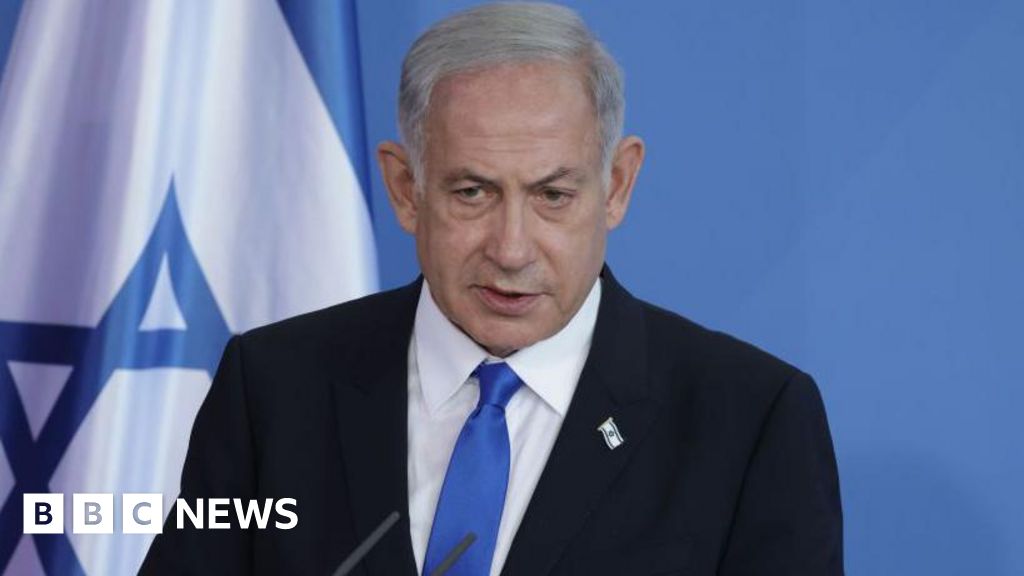
Prime Minister Benjamin Netanyahu arrived in Abu Dhabi on a commercial flight last month, landing at Al Bateen Executive Airport under a veil of secrecy. His office confirmed the trip only after he had returned to Israel, revealing a meeting with UAE President Sheikh Mohamed bin Zayed at the presidential palace. The two leaders discussed regional security and defense cooperation, according to a statement from Netanyahu’s office.
Netanyahu’s office disclosed the meeting on Sunday, more than three weeks after the visit took place. The confirmation came as tensions with Iran reached new highs, with Israel accusing Tehran of direct involvement in recent attacks on its territory. The UAE, a key Gulf ally of the United States, has maintained a delicate balance in its relations with both Israel and Iran.
Key Points
- ✅ Netanyahu traveled to UAE aboard a commercial flight last month
- ⚡ Meeting held at presidential palace with Sheikh Mohamed bin Zayed
- 💡 Talks focused on regional security and defense cooperation
Sources familiar with the discussions say the leaders addressed Iran’s growing influence in the region, including its military support for proxy groups in Yemen and Syria. The UAE has previously denied hosting Iranian-backed militias, but its proximity to Iran has made it a strategic partner for Israel in countering Tehran’s expansion.
📋 By The Numbers
- 3 weeks — Delay between trip and public confirmation
- 1980s — Decade when UAE and Israel first established backchannel contacts
The visit marks one of the most overt demonstrations of cooperation between Israel and an Arab state since the Abraham Accords in 2020. While the accords normalized relations between Israel and several Gulf nations, covert engagements have continued, particularly on security matters. Analysts suggest the timing of Netanyahu’s trip reflects a shared urgency to counter Iran’s aggression.
| Aspect | Israel-UAE Cooperation | Historical Context |
|---|---|---|
| First Public Alignment | 2020 Abraham Accords | 1980s backchannel contacts |
| Recent Security Focus | Countering Iran’s influence | Limited public coordination |
| Diplomatic Visibility | Secret meetings increasing | Public normalization gradual |
Security analysts note that covert cooperation between Israel and Gulf states has intensified since the October 7 attacks by Hamas and the subsequent war in Gaza. The UAE, despite its public criticism of Israel’s military actions in Gaza, has privately engaged with Israeli officials on regional stability. Netanyahu’s meeting with Sheikh Mohamed bin Zayed signals a willingness to prioritize security over public posturing.
💡 Pro Tip
Diplomatic sources advise monitoring future high-level meetings between Israeli and Arab leaders, as they may indicate shifting regional alliances in response to Iran’s growing aggression.
The confirmation of Netanyahu’s trip comes as Israel prepares for a potential escalation with Iran, including possible direct military confrontation. The UAE’s role in facilitating dialogue or providing logistical support could become critical in de-escalating tensions. For now, both nations have kept the details of their discussions confidential, but the public acknowledgment of the meeting underscores the depth of their strategic alignment.
- 📊 UAE’s strategic position makes it a key partner for Israel in countering Iran
- 🔍 Netanyahu’s trip highlights covert cooperation despite public disagreements
- ⚠️ Timing suggests shared urgency to address Iran’s regional influence
The UAE’s Ministry of Foreign Affairs has not issued a statement regarding the meeting, but a senior Gulf diplomat confirmed the discussions took place. The diplomat, speaking on condition of anonymity, described the talks as “forward-looking” and focused on long-term stability in the Middle East. The meeting also included discussions on economic ties, including potential joint infrastructure projects.
- Regional Security — Leaders addressed Iran’s military support for proxy groups
- Diplomatic Alignment — Meeting signals deeper covert cooperation despite public divisions
- Economic Ties — Discussions included potential joint infrastructure projects