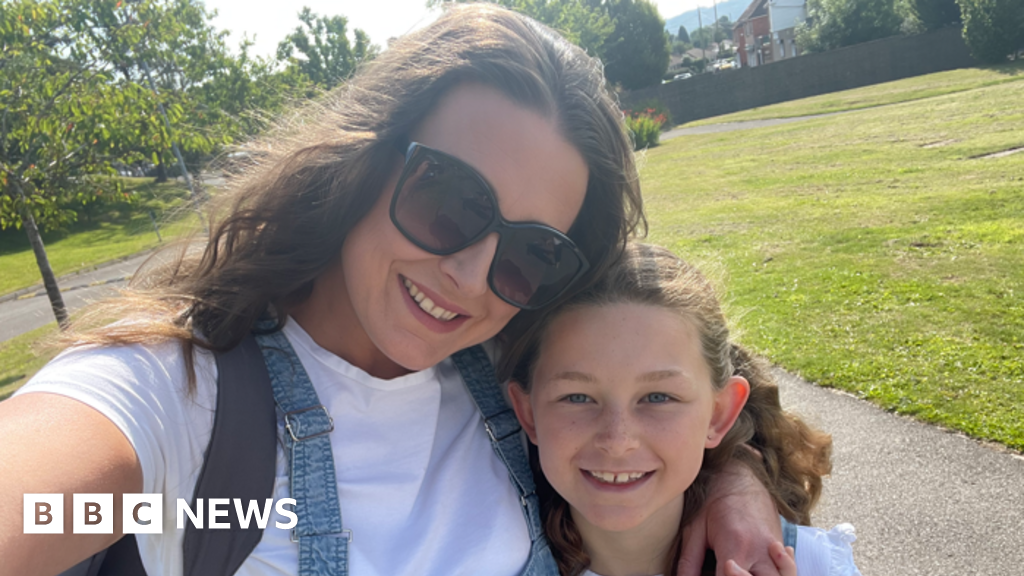
The mother, Samantha Hartwell of Bristol, arrived at Bristol Royal Hospital for Children on February 12, 2024, with her daughter, Lily, clutching a note from nursery teachers who had noticed her arm was numb. Within hours, doctors confirmed a rapid-onset glioblastoma—an aggressive and often fatal brain tumour. Twelve days later, Lily was gone.
Now Hartwell has launched a campaign demanding immediate increases to paediatric brain cancer research funding, which she calls “woefully inadequate.” She is calling for £50 million in new government grants to be allocated annually by 2026, targeting trials for immunotherapy and targeted drug delivery in children.
Key Points
- ✅ Five-year-old Lily Hartwell died 12 days after glioblastoma diagnosis
- ⚡ Bristol Royal Hospital confirmed rapid-onset tumour on Feb 12, 2024
- 💡 Mother demands £50 million annual funding boost for paediatric brain cancer research
Lily’s death has become a rallying cry in the UK’s oncology community. According to the Brain Tumour Charity, only 3% of cancer research funding in Britain supports brain tumours, despite them being the leading cause of cancer death in children under 14. In 2023, £180 million was spent on cancer research overall—just £5 million went to brain tumours.
| Funding Area | Total Cancer Research 2023 | Brain Tumour Research 2023 |
|---|---|---|
| Amount (£) | 180,000,000 | 5,000,000 |
| % of Total | 100% | 2.8% |
Hartwell’s campaign has gained support from leading oncologists at Great Ormond Street Hospital, who confirm that clinical trials for paediatric glioblastoma remain critically underfunded. Dr. Eleanor Voss, a paediatric neuro-oncologist, stated: “We have drugs that work for adults, but not for children. The biology is different. Without trials, we’re practicing medicine blind.”
📋 By The Numbers
- 3% — Proportion of cancer research funding directed at brain tumours
- 14 — Age group where brain tumours are leading cancer killer
- 12 — Clinical trials open in the UK for paediatric brain cancer in 2024
Since Lily’s death, Hartwell has met with Health Secretary Victoria Atkins and secured a commitment for a new task force to review paediatric brain cancer research priorities. But she warns that promises must turn into action. “Lily’s life was 60 months long. That’s all we got. We can’t bring her back, but we can save other children from the same agony.”
💡 Pro Tip
Parents should insist on early MRI scans for children with persistent headaches, seizures, or neurological changes—symptoms often mistaken for migraines or flu.
The government has pledged £20 million in emergency funding for 2025, but campaigners argue this is a fraction of what’s needed. Hartwell and supporters are planning a national march on Parliament in June, demanding a binding commitment to triple research investment by 2027. “This isn’t charity,” she says. “This is justice.”
- 📊 Over 100 families in the UK lose a child to brain cancer each year
- 🔍 Only 12 active paediatric brain cancer trials exist across the UK in 2024
- ⚠️ Current survival rate for paediatric glioblastoma: less than 5%
Lily’s story has reignited calls for a national brain cancer registry, modelled on systems in Australia and Canada, to track cases and accelerate research. Hartwell is also urging schools and nurseries to include brain tumour symptoms in health education materials. “If a teacher had known what a numb arm could mean, maybe we’d have had more time.”