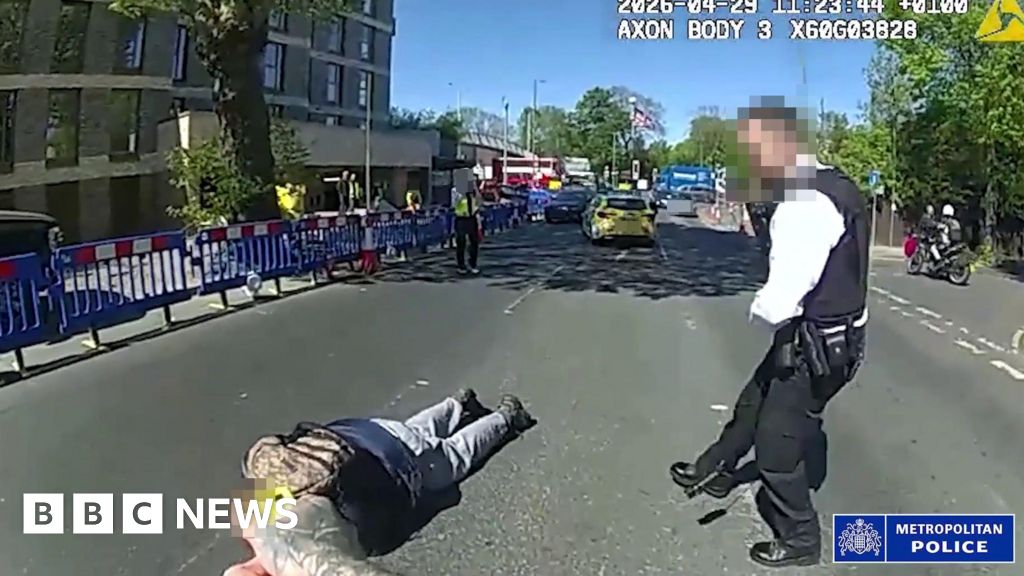
The Metropolitan Police has confirmed it will significantly widen access to officer-worn bodycam footage, marking a major shift in how the force handles transparency. Starting next month, selected videos will be uploaded to the force’s website and social media channels within 48 hours of recorded incidents, provided they don’t compromise ongoing investigations or individuals’ privacy.
Superintendent Sarah Whitmore, who oversees the force’s digital evidence unit, stated that the policy change is designed to address growing concerns about police accountability. "Public trust is our top priority," Whitmore said. "By making these recordings more accessible, we’re giving Londoners direct insight into how officers operate in real time." The decision comes after a year of intense scrutiny, including high-profile incidents involving officer conduct and calls for greater oversight from community leaders and civil rights groups.
Key Points
- ✅ Bodycam footage will now be published within 48 hours of incidents
- ⚡ Videos will exclude cases involving ongoing investigations or privacy risks
- 💡 The pilot program showed a measurable boost in public confidence
Under the new guidelines, the Metropolitan Police will review all bodycam footage for potential release, with a focus on incidents involving use of force, stop-and-search procedures, or public interactions that result in complaints. Footage that could prejudice criminal trials or expose victims’ identities will be redacted or withheld entirely. The force has also pledged to provide clear explanations alongside each video, outlining the context of the incident and the officers involved.
📋 By The Numbers
- 48 hours — Maximum time allowed for footage review and publication
- 12 months — Duration of the Metropolitan Police’s pilot program before policy expansion
Critics, however, remain skeptical. Dr. Amina Khan, a researcher at the London Policing Institute, noted that while the move is a step forward, its effectiveness depends on consistency. "Transparency isn’t just about releasing footage; it’s about how the public interprets it," Khan said. "Without independent oversight or clear criteria for what gets published, this could end up as a performative gesture rather than real accountability."
💡 Pro Tip
When reviewing bodycam footage, pay attention to timestamps, officer badge numbers, and the sequence of events. These details can reveal inconsistencies or clarify murky situations—critical for assessing police conduct.
The Metropolitan Police’s policy shift aligns with broader trends in law enforcement transparency. Agencies in New York, Los Angeles, and Berlin have also expanded public access to bodycam recordings, though the scale and speed of implementation vary widely. In London, the force plans to train 500 additional officers in ethical footage review by the end of 2025, ensuring that the new policy doesn’t become a bottleneck for public access.
| Aspect | Current Policy | New Policy |
|---|---|---|
| Release Timeframe | Selective, weeks after incident | Within 48 hours, if no legal barriers |
| Scope of Footage | Limited to high-profile cases | All incidents involving force or complaints |
| Public Access | Request-based, delayed | Proactive uploads to website and social media |
Not everyone is convinced the change will have the intended impact. The Metropolitan Police Federation, which represents rank-and-file officers, has expressed concerns about the potential for footage to be taken out of context. "Bodycam is a tool for accountability, but it’s also used to second-guess officers in split-second decisions," said a federation spokesperson. "We worry this could discourage proactive policing and expose officers to undue risk."
- Training Rollout — 500 officers to be trained in ethical footage review by December 2025
- Pilot Evaluation — Internal review of the new policy’s impact on public trust and officer morale
- Public Feedback — Online portal for the public to suggest improvements or flag concerns
The Metropolitan Police’s move arrives at a critical juncture, as trust in law enforcement remains fragile. A 2024 survey by YouGov found that only 42% of Londoners believe the police handle complaints about officer conduct fairly—a figure that has steadily declined over the past five years. The force hopes that greater transparency will reverse this trend, but whether the policy change will translate into tangible improvements remains to be seen.