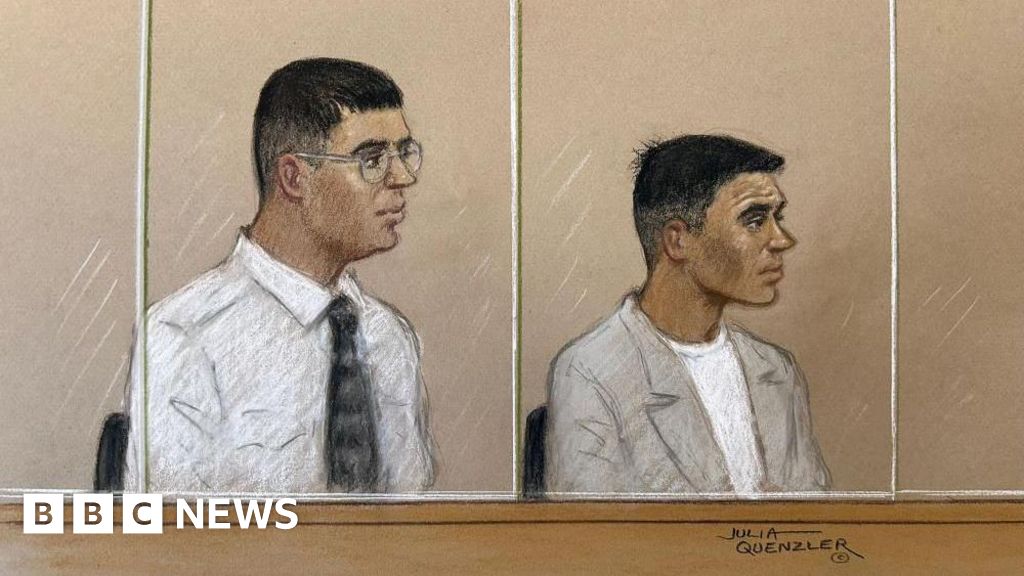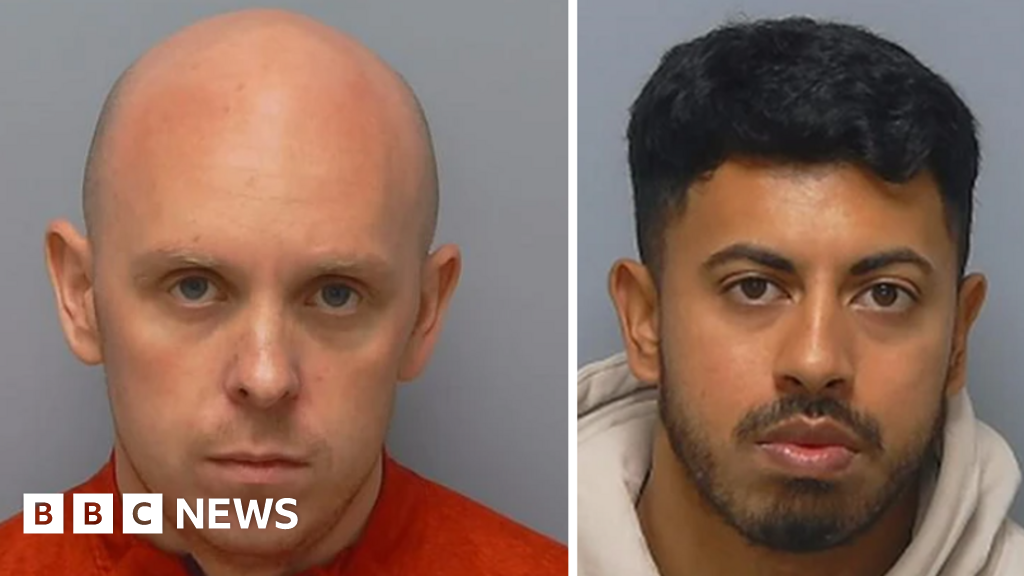
A London jury delivered a unanimous not guilty verdict today, acquitting James Carter, 34, and Daniel Reeves, 29, of the murder of local businessman Richard Vaughan on April 12, 2019. The retrial in the Central Criminal Court, which began last month, dismantled the prosecution’s case built on disputed forensic evidence and a single eyewitness account.
The original trial hinged on a bloodstain pattern analysis that linked the men to the crime scene, alongside testimony from Vaughan’s business partner, who identified them as the attackers. But during the retrial, a forensic pathologist testified that the blood evidence was inconclusive, while another witness came forward claiming to have seen the victim arguing with a third party minutes before the stabbing.
Key Points
- ✅ Retrial exposed flaws in original forensic evidence
- ⚡ Bloodstain analysis was deemed inconclusive
- 💡 Third-party witness contradicted prosecution’s timeline
Prosecutors had argued the men targeted Vaughan after a failed business deal two years prior. However, the defense presented bank records showing both Carter and Reeves were at a pub in East London at the time of the murder, supported by security footage and multiple witness statements.
The case has reignited debates over the reliability of bloodstain pattern analysis, a technique used in thousands of trials nationwide. The Forensic Science Regulator’s office confirmed it has launched an internal review following the acquittal.
| Forensic Method | Original Trial | Retrial Findings |
|---|---|---|
| Bloodstain Pattern | Linked defendants to scene | Inconclusive |
| Eyewitness ID | Single identification | Third-party alibi |
| Timeline Evidence | Placed defendants at scene | Disputed by witness |
Carter and Reeves were released from HMP Belmarsh this afternoon, their families waiting outside the court in tears. Speaking to reporters, Carter’s mother, Linda Carter, called the ordeal a "living nightmare." "They lost three years of their lives, their jobs, their reputations. How do you put that back together?" she asked.
💡 Pro Tip
Defendants in similar cases should secure alibi evidence immediately, including digital records and witness statements, to counter disputed forensic claims.
The acquittal comes amid a wave of wrongful conviction appeals, with the Criminal Cases Review Commission reporting a 40% rise in referrals over the past two years. Legal experts warn the case highlights systemic issues in forensic science reliance, particularly in high-profile trials.
📋 By The Numbers
- 2 — Men acquitted after serving time for murder
- 1 — Forensic technique (bloodstain analysis) discredited in retrial
- 40% — Increase in wrongful conviction appeals referred to CCRC since 2022
Police have confirmed they will reopen the investigation into Vaughan’s murder, now treating it as a cold case. Detective Chief Inspector Mark Holloway of the Metropolitan Police stated, "We will pursue all credible leads, including the new witness account." Vaughan’s family has not publicly commented on the acquittal.
- 📊 Bloodstain pattern analysis has been scrutinized in at least five other UK trials this year
- 🔍 The CCRC’s caseload now exceeds 1,200 active reviews
- ⚠️ Legal advocates urge caution in relying solely on forensic evidence in future prosecutions