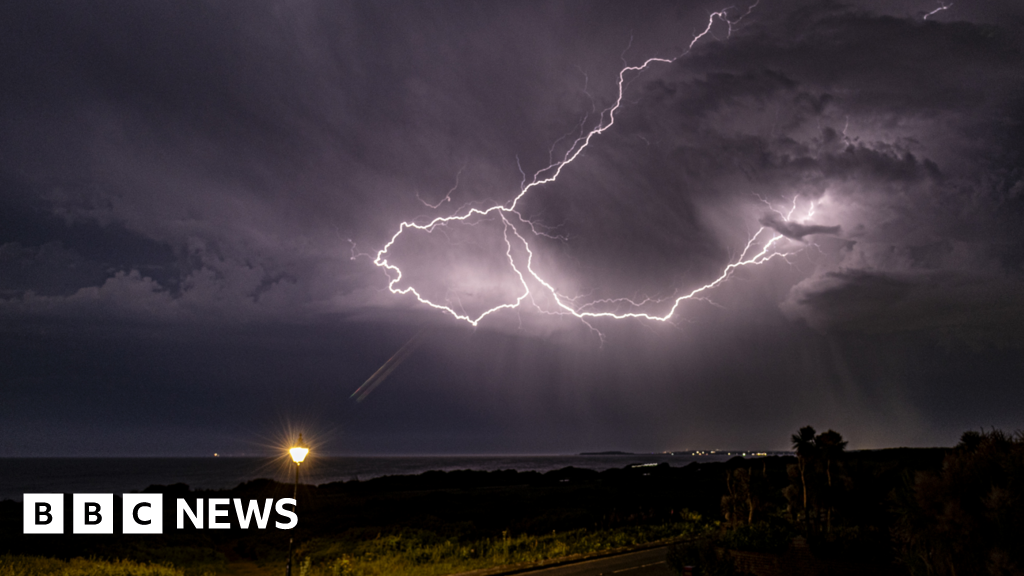
The sky over southern England turned into a strobe light overnight as a barrage of lightning strikes triggered power outages for 50,000 homes across Hampshire, Sussex, Kent, Surrey, Essex, and Oxfordshire. The storms, described by witnesses as the most intense in a decade, struck just after 2 a.m., felling trees, damaging transformers, and plunging entire neighbourhoods into darkness.
National Grid confirmed it declared a Transmission Operational Incident at 2:38 a.m. after multiple high-voltage lines were hit. Engineers worked through the night to reroute power and restore connections, but by dawn, 12,000 properties remained without electricity. The worst-affected areas included Crawley in West Sussex, where a single strike took down three substations simultaneously.
Key Points
- ⚡ Storms hit six counties at 2:00 a.m.
- 🔌 Lightning struck high-voltage lines, causing blackouts
- 🏠 12,000 homes still without power at sunrise
Meteorologists from the Met Office linked the extreme weather to a clash between hot, humid air from mainland Europe and cooler Atlantic currents. The resulting instability produced lightning strikes at a rate of 1,200 per minute at the storm’s peak. The Met Office issued a yellow warning for thunderstorms, valid until 6 p.m. today, warning of potential flooding and further power disruptions.
📋 By The Numbers
- 12,000 — Homes still without power as of 6:30 a.m.
- 3 — Substations destroyed in Crawley
- 1,200 — Lightning strikes per minute at peak intensity
Local councils have warned residents to avoid downed power lines and report any gas leaks immediately. Thames Water reported a 30% increase in emergency call-outs due to flooding in low-lying areas. In response, the government has activated emergency protocols, with the Department for Energy Security and Net Zero coordinating recovery efforts.
| County | Homes Affected | Status at 8 a.m. |
|---|---|---|
| Hampshire | 11,000 | 90% restored |
| West Sussex | 8,500 | 75% restored |
| Kent | 7,200 | 60% restored |
| Surrey | 6,800 | 80% restored |
| Essex | 9,500 | 50% restored |
| Oxfordshire | 7,000 | 45% restored |
The storms have disrupted transport networks, with Network Rail reporting delays on the Brighton Main Line and Thameslink due to debris on tracks. Gatwick Airport grounded six flights temporarily as a precaution, though no damage was reported to the runway.
💡 Pro Tip
Keep torches and portable chargers handy during severe weather. Avoid using candles near flammable materials and unplug sensitive electronics to prevent damage from power surges when supply is restored.
Energy experts warn that such events may become more frequent as climate patterns shift. National Grid has urged households to prepare for possible short-notice outages by installing surge protectors and maintaining emergency kits. The full extent of damage to infrastructure is still being assessed, with officials expecting further disruptions throughout the day.
- 📊 Lightning activity peaked between 2:15 a.m. and 3:00 a.m.
- 🔍 Downed trees blocked roads in Tunbridge Wells and Guildford
- ⚠️ Residents in flood-prone areas should avoid travel unless essential