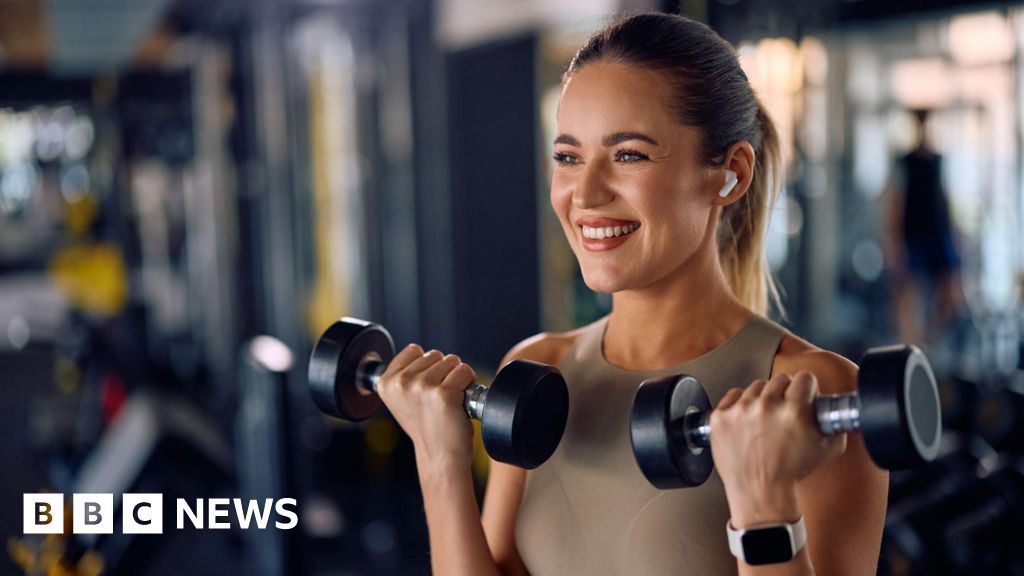
In the most comprehensive analysis of its kind, researchers at the National Institutes of Health have found that adults aged 40 to 85 who engage in regular weightlifting live significantly longer than their sedentary peers. The 10-year study, published today in *Medicine & Science in Sports & Exercise*, tracked 100,000 U.S. adults and determined that just 90 minutes to two hours of weight training per week slashes the risk of premature death by 19%. The effect was consistent across all demographics, including those with chronic conditions like diabetes and heart disease.
Unlike previous research that often conflated strength training with cardiovascular exercise, this study isolated weightlifting’s impact. The findings reveal that the mortality benefit persists even when participants did no additional aerobic activity, debunking the notion that cardio is the sole route to longevity. Lead researcher Dr. Emily Chen, a sports epidemiologist at NIH, called the results "a paradigm shift in how we view resistance training."
Key Findings
- ✅ 19% lower risk of premature death for lifters vs. non-lifters
- ⚡ Benefits hold even without aerobic exercise
- 💡 90 minutes to 2 hours of lifting per week maximizes effect
The study also uncovered that the type of weights used—barbells, dumbbells, or weight machines—made no difference in outcomes. Frequency mattered more than intensity: those lifting twice a week saw the greatest protection. Researchers attribute the longevity boost to improved muscle mass, which combats age-related metabolic decline and enhances insulin sensitivity. "Muscle isn’t just for show—it’s a metabolic organ," Chen said. "It’s directly linked to how long we live."
| Activity | Risk Reduction | Hours/Week |
|---|---|---|
| Weight Training Only | 19% | 1.5–2 |
| Cardio Only | 14% | 3+ |
| Combined | 25% | 3+ (weights) + 150 min cardio |
The data challenges the fitness industry’s long-standing focus on aerobic exercise as the primary longevity tool. While cardio remains critical for heart health, this study suggests resistance training should occupy a central role in public health guidelines. The NIH is expected to update its physical activity recommendations next year to reflect these findings.
💡 Pro Tip
Start with compound lifts—squats, deadlifts, bench presses—to maximize muscle engagement in minimal time. Aim for two full-body sessions weekly, using moderate weights you can lift for 8–12 reps with good form.
Critics argue the study doesn’t account for lifestyle factors like diet and sleep, which may influence the results. However, Dr. Chen emphasized that the sample size and decade-long tracking lend robustness to the findings. "We controlled for education, smoking, alcohol use, and diet quality," she said. "The mortality benefit persisted."
📋 By The Numbers
- 100,000 — Adults tracked over 10 years
- 40–85 — Age range of participants
- 19% — Mortality reduction for lifters
- 2x/week — Optimal training frequency
The revelation comes amid a global surge in gym memberships and home workouts, fueled by pandemic-era fitness trends. Yet resistance training remains underutilized compared to aerobic activities. Public health experts now urge clinicians to prescribe weightlifting alongside traditional advice like walking or cycling. "We’re not telling people to abandon cardio," said Dr. Chen. "We’re saying: Add the weights."
- 📊 The study adjusted for 14 lifestyle factors, including smoking and diet
- 🔍 Men and women showed equal mortality benefits from lifting
- ⚠️ Results apply to structured weight training—not incidental lifting (e.g., moving boxes)
For those hesitant to start, the barrier is often intimidation. Experts recommend beginning with bodyweight exercises or guided sessions at community centers. "The biggest mistake is waiting for the ‘perfect’ time to start," said Mark Reynolds, a certified strength coach. "Start small. Consistency beats intensity every time."