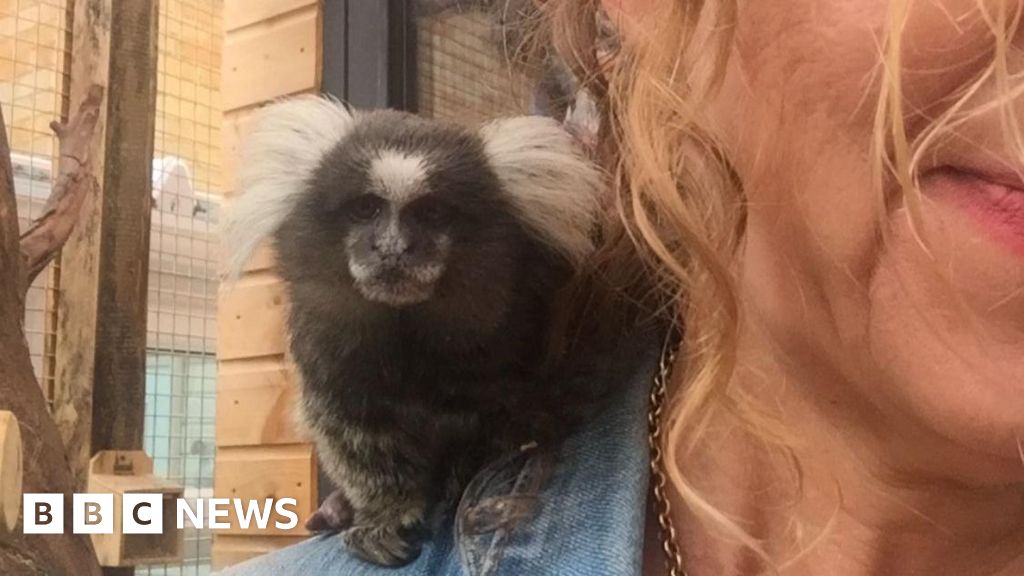
Lisa-Marie Bearman’s garden in Rochester, Kent, has been home to a dozen marmosets for 16 years—her life’s purpose wrapped in fur and chatter. But new government regulations that took effect on April 6 now threaten to strip her of the animals she calls Super T, Autumn-Belle, and Koba, along with the rest of her troop.
The Animal Welfare (Primate Licences) (England) Regulations 2024 mandate that private primate owners meet “zoo-like” welfare standards, including enclosures measuring at least 2.5m x 4m x 2.5m for a pair of marmosets, tailored diets, and space for natural behavior. Bearman, a clinical hypnotherapist, has applied for a licence but warns the requirements are impossible to meet in a three-bed terrace home. “This isn’t designed for people like me,” she said. “We’re not zoos.”
💡 Pro Tip
Measure your outdoor space now. Local planning rules often cap height and footprint, making legal enclosures unattainable for most private owners.
Since the law’s enforcement, just one licence has been issued across the 294 councils surveyed by the BBC in a Freedom of Information request—covering only eight primates. Former glamour model Jodie Marsh and a college in Grimsby secured licences, while 13 more applications remain pending, encompassing 63 animals. Yet sanctuaries and conservation projects warn they cannot absorb the overflow.
| Facility | Capacity | Status |
|---|---|---|
| Fenn Bell Conservation Project | Limited outdoor enclosures | Cannot accept new primates |
| Wildlife Exotic Rescue | Waiting list active | Turned away recent applicants |
Connor Gordon, head keeper at Fenn Bell in Rochester, supports the law but fears a “mass euthanasia” scenario as owners face impossible compliance deadlines. “There’s only so much space,” he said. “We can’t take them all.” Lindsey McKenna, founder of Wildlife Exotic Rescue in Herefordshire, echoed the concern, calling it a “sacrificial generation” of primates.
Key Points
- ✅ New law requires zoo-level enclosures for private primates
- ⚡ Only one licence granted in 294 councils by late February
- 💡 Owners face six-month prison sentences and unlimited fines for non-compliance
Bearman, who has spent £20,000 building custom enclosures with her husband, meets 90% of the requirements but is blocked by planning restrictions preventing taller structures. She has desensitized herself to the worst-case outcome to preserve her mental health. “I will do anything to keep my monkeys,” she said, her voice steady despite the uncertainty. “They’re my family.”
📋 By The Numbers
- 12 — Marmosets currently in Bearman’s care
- 3,000 to 5,000 — Estimated primates kept privately in the UK
- £20,000 — Bearman’s spending on custom enclosures
The Department for Environment, Food and Rural Affairs (Defra) insists the law is not a ban but a welfare standard. A spokesperson said the department is working with councils to enforce the scheme. Yet the disconnect between policy and reality has left owners like Bearman in limbo, questioning whether the government ever considered the human cost of its rigid rules.
- 📊 Data shows 99% of councils had not issued licences within two months of enforcement
- 🔍 Experts warn sanctuaries cannot absorb displaced primates
- ⚠️ Owners have just weeks to comply or face legal consequences
For now, Bearman waits for an inspection from her local council, the outcome of which will determine whether her garden remains a sanctuary or becomes a crime scene. One thing is certain: the clock is ticking, and the primates are running out of time.