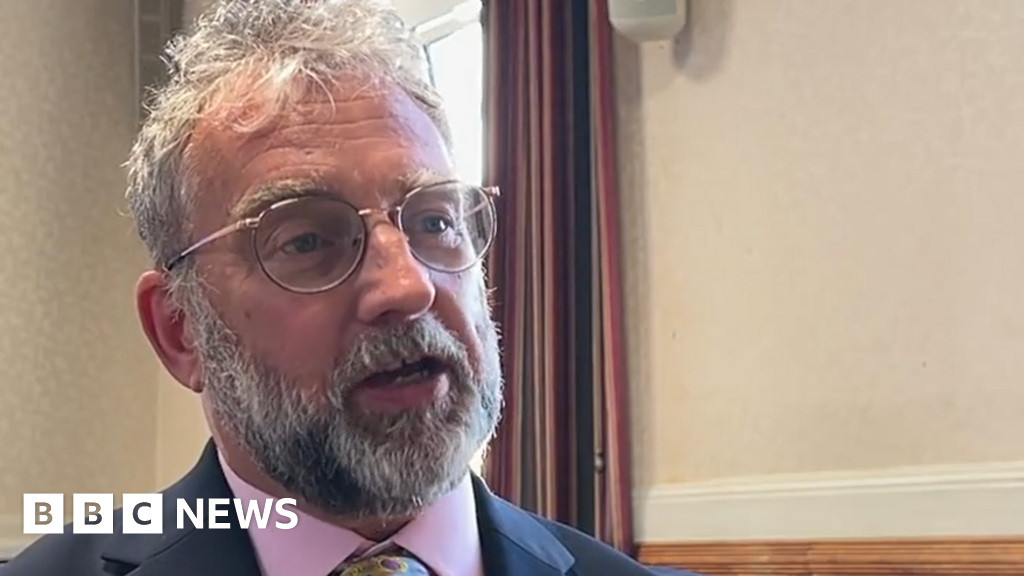
Independent councillor Jonathan Bacon has been elected leader of the Isle of Wight Council, reclaiming the post he held from 2015 to 2017 before resigning in protest over government austerity cuts.
The surprise result emerged during a closed-door selection meeting on Wednesday, where Bacon secured 28 councillor votes, nine for Garratt, and two abstentions. Reform UK, which won 19 of the island’s 39 seats in the May local elections, declined to field a leadership candidate but saw one of its members, Bill Nigh, appointed as deputy leader.
Key Points
- ✅ Jonathan Bacon re-elected leader after eight-year absence
- ⚡ Reform UK secures 19 seats but does not contest leadership
- 💡 Bacon’s return follows two resignations in protest over austerity
Bacon, who represents the Brading and St Helens ward, described his victory as “a little bit of shock and surprise,” adding: “I’m here to work with all 39 councillors and represent 100% of residents on the island.” His first stint as leader ended in 2017 amid mounting frustration with central government funding cuts, which he said forced councils into “a cycle of decline.”
📋 By The Numbers
- 19 seats — Reform UK’s share of the 39-seat council
- 2 abstentions — Votes recorded in the leadership contest
- 10 years — Gap between Bacon’s two terms as council leader
Bacon’s resignation in 2017 was rooted in his opposition to austerity, which he argued left local services “permanently weakened.” He later stepped down from his cabinet role in March 2025, criticising colleagues for voting to keep three primary schools open despite budget pressures, calling the decision “unacceptable.” Now back in charge, he has pledged to heal divisions and restore confidence in the council’s ability to deliver essential services.
| 2025 Leadership Contest | Jonathan Bacon | Andrew Garratt |
|---|---|---|
| Votes | 28 | 9 |
| Support Base | Independent | Liberal Democrat |
| Prior Experience | Leader 2015–2017 | Opposition councillor |
Reform UK’s decision not to contest the leadership reflects a strategic focus on opposition rather than governance, despite its electoral gains. Analysts suggest the party’s reluctance to assume responsibility may stem from internal divisions or a calculated wait-and-see approach. Bacon, however, faces immediate challenges: a depleted budget, strained social care services, and public skepticism after years of instability.
💡 Pro Tip
Councils in similar positions should prioritise transparent budget consultations with residents to rebuild trust and secure buy-in for necessary cuts.
The Isle of Wight, a unitary authority with a population of 140,000, has long grappled with funding shortfalls exacerbated by its coastal geography and reliance on tourism. Bacon’s return signals a shift toward pragmatic leadership, but the council’s ability to deliver will hinge on cross-party cooperation and central government concessions. For now, the island’s political landscape remains in flux, with Bacon’s leadership bid reshaping expectations for the next four years.
- 📊 Bacon’s victory margin (19 votes) is the widest in a decade
- 🔍 Reform UK holds the balance of power but refrains from executive roles
- ⚠️ Budget forecasts predict a £3.7m shortfall by 2026