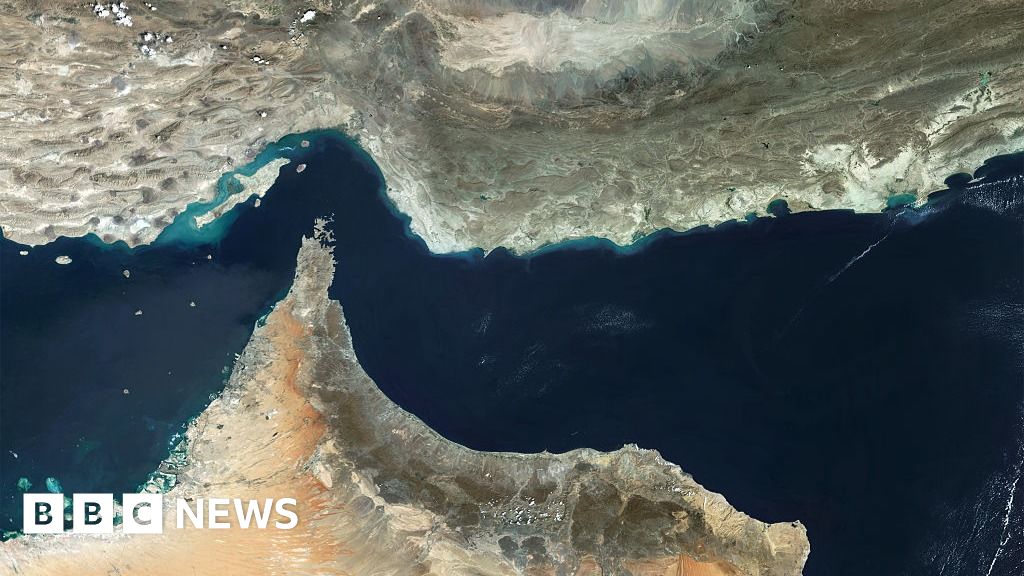
The Strait of Hormuz, a slender waterway connecting the Persian Gulf to the Gulf of Oman, has become the latest flashpoint in the escalating conflict between Iran and Israel, with Tehran seizing control of the strategic passage on March 21. The move follows a series of retaliatory strikes after the U.S.-backed Israeli airstrike on Iran’s Natanz nuclear facility on February 28, which killed three senior Iranian Revolutionary Guard officers. Shipping data shows tankers carrying 17 million barrels of crude oil—nearly 20% of global seaborne oil supply—have been stranded at the strait’s entry points since the blockade began.
Saudi Aramco confirmed Tuesday it had rerouted all shipments around the Cape of Good Hope, adding 10 days and $2 million in costs per Very Large Crude Carrier to avoid the strait. The shift has already delayed deliveries to Europe and Asia, with at least four tankers diverted to South Africa’s Saldanha Bay for temporary storage. Meanwhile, U.S. Fifth Fleet headquarters in Bahrain has deployed the guided-missile destroyer USS *Cole* to monitor the blockade, while Pentagon officials warn of "potential escalation" if Iranian naval forces attempt to board foreign-flagged vessels.
| Nation | Oil Dependence on Strait | Alternative Routes |
|---|---|---|
| Japan | 87% of oil imports | Limited rerouting options |
| China | 72% of oil imports | Pipeline from Russia (limited capacity) |
| U.S. | 23% of oil imports | Increased domestic production |
| EU | 20% of oil imports | North Sea reserves, U.S. LNG |
On Wednesday, the International Energy Agency convened an emergency session in Paris, with member nations debating whether to release emergency oil reserves. Analysts at Goldman Sachs estimate the blockade could push Brent crude prices above $110 per barrel within 30 days if unresolved, triggering a global recession risk. In Tehran, Supreme Leader Ayatollah Ali Khamenei dismissed the threats as "bluster," stating Iran would maintain control of the strait "until Zionist aggression ceases."
💡 Pro Tip
Energy traders should monitor the Suez Canal Authority’s daily traffic reports—any sudden spike in tanker traffic through the canal could signal a partial easing of the blockade, offering a temporary price relief window.
The blockade’s timing coincides with Iran’s annual "Ten Days of Dawn" military exercises, which began Friday and include live-fire drills near the strait. Satellite imagery from Planet Labs shows Iranian fast-attack boats and anti-ship missile systems positioned at key chokepoints, while U.S. reconnaissance flights over the region have increased in frequency. Diplomats from Qatar and Oman, both U.S. allies, have privately expressed fears that a miscalculation—such as an accidental collision between Iranian and American vessels—could spiral into full-scale conflict.
- 📊 Over 200 commercial vessels, including 45 oil tankers, remain anchored outside the strait as negotiations stall.
- 🔍 The UAE has activated emergency fuel reserves, with state oil company ADNOC warning of potential rationing within two weeks.
- ⚠️ Indian refiners have cut crude processing by 15% due to delayed shipments, threatening diesel and gasoline shortages in South Asia.
Saudi Arabia, Iran’s regional rival, has positioned its fleet in the Red Sea, signaling it will protect its shipping lanes at all costs. Meanwhile, the European Union’s foreign policy chief, Josep Borrell, urged restraint, stating, "The strait is a global commons—its closure violates international law and risks destabilizing the world economy." The U.S. has yet to formally respond to Iran’s actions, but a senior State Department official confirmed "all options are on the table," including sanctions on Iran’s central bank. With markets already jittery, the coming days will determine whether this crisis triggers a supply shock or escalates into a wider conflict.
📋 By The Numbers
- 17 million barrels — Daily oil flow disrupted by the Strait of Hormuz blockade
- 45 tankers — Number of oil vessels stranded outside the strait
- $110 per barrel — Potential Brent crude price if blockade persists for 30 days