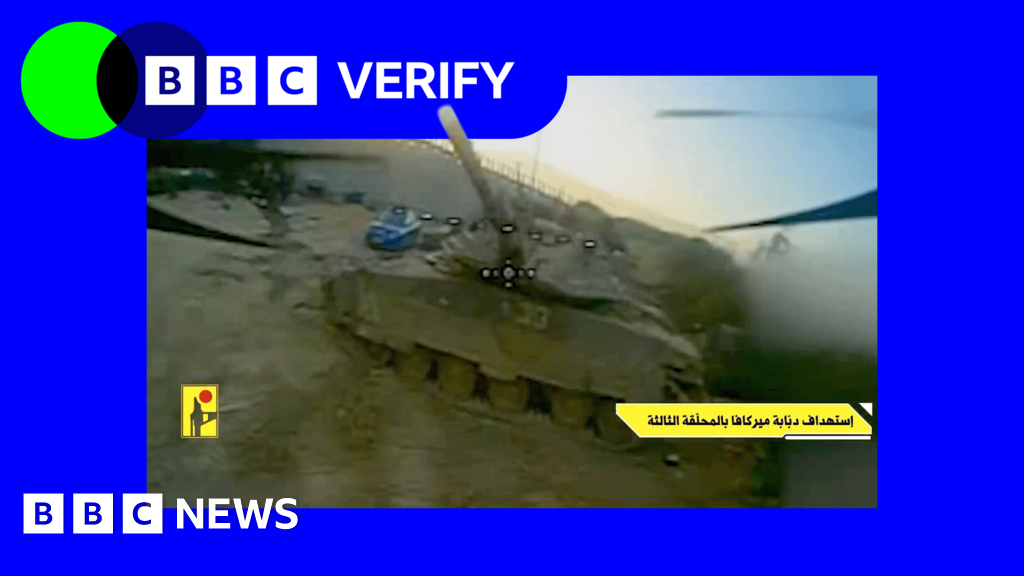
Hezbollah launched its most sophisticated drone strikes yet on Israeli military positions late Monday, using a fleet of modified first-person view (FPV) drones equipped with fibre-optic control systems to evade radar and missile interceptors. The attacks, concentrated along the northern border near Metula, marked the first documented use of such technology in the ongoing conflict, according to military analysts tracking the footage.
Analysts reviewing the released videos say the drones—small, agile, and nearly silent—were programmed to fly low and fast, hugging terrain to avoid detection. One clip shows a drone descending vertically onto a fortified position before detonating, a tactic rarely seen in past Hezbollah operations. "This isn’t just an escalation; it’s a deliberate upgrade in their asymmetric warfare toolkit," said Dr. Lina al-Mansouri, a defence analyst at the Lebanese Center for Strategic Studies.
📋 By The Numbers
- 3 drone models — Identified in footage, including commercial quadcopters retrofitted with explosives
- 5 fibre-optic guided systems — Used to maintain control despite electronic jamming
- 8 minutes — Maximum flight time per drone before battery depletion
The Israeli military’s Iron Dome and David’s Sling systems intercepted five of the 12 launched drones, but the remaining seven caused minor structural damage and temporary disruptions to communications. A senior IDF spokesperson confirmed that no casualties were reported, though the psychological impact of the precision strikes is under assessment. "They’re testing our defences, probing for weaknesses," the spokesperson said. "This is a new phase of the conflict."
| Drone Type | Guidance System | Range | Payload |
|---|---|---|---|
| Modified DJI Mavic | Fibre-optic | 5 km | 1.5 kg explosive |
| Custom-built quadcopter | Radio frequency | 3 km | 2 kg explosive |
| Commercial FPV racing drone | Wi-Fi | 2 km | 0.5 kg explosive |
Hezbollah’s drone program has evolved rapidly since its first documented use in 2022, when the group relied on basic quadcopters for surveillance. By 2023, they had begun attaching explosives, but the fibre-optic systems represent a significant leap in capability. Military sources suggest the technology may have been acquired from Iranian-backed factions, though no direct evidence has been made public.
💡 Pro Tip
Defence analysts warn that fibre-optic guided drones are nearly impossible to jam electronically. Countermeasures require a mix of kinetic solutions—like directed-energy weapons—and traditional air defence networks.
Israeli officials have not commented on whether retaliatory strikes are imminent, but the IDF has already deployed additional electronic warfare units to the northern border. Meanwhile, Hezbollah’s media arm released a statement calling the strikes "a message of deterrence" and warning of further escalation if "Israeli aggression" continues. "This is not a one-off," said a Hezbollah-affiliated military source. "The drones are just the beginning."
Key Points
- ✅ Hezbollah used fibre-optic guided FPV drones for the first time in attacks on Israel
- ⚡ Drones evaded radar by flying low and fast, hugging terrain
- 💡 Seven of twelve drones caused damage despite interception by Iron Dome
The international community has reacted with concern, with the United Nations calling for an emergency session to discuss the breach of the 2006 ceasefire agreement. The U.S. State Department condemned the strikes as "unacceptable provocations" and reaffirmed its support for Israel’s right to self-defence. In Beirut, Lebanon’s caretaker Prime Minister Najib Mikati urged restraint, stating that "escalation benefits no one" and calling for dialogue to prevent further violence.
- Immediate impact — Seven drones caused minor damage; no casualties reported
- Military response — IDF deploying additional electronic warfare units to the northern border
- Diplomatic fallout — UN emergency session called; U.S. condemns strikes
The coming weeks will determine whether this marks a turning point in the border conflict or an isolated escalation. What’s clear is that the use of advanced drone technology has introduced a new and unpredictable dynamic to an already volatile region.