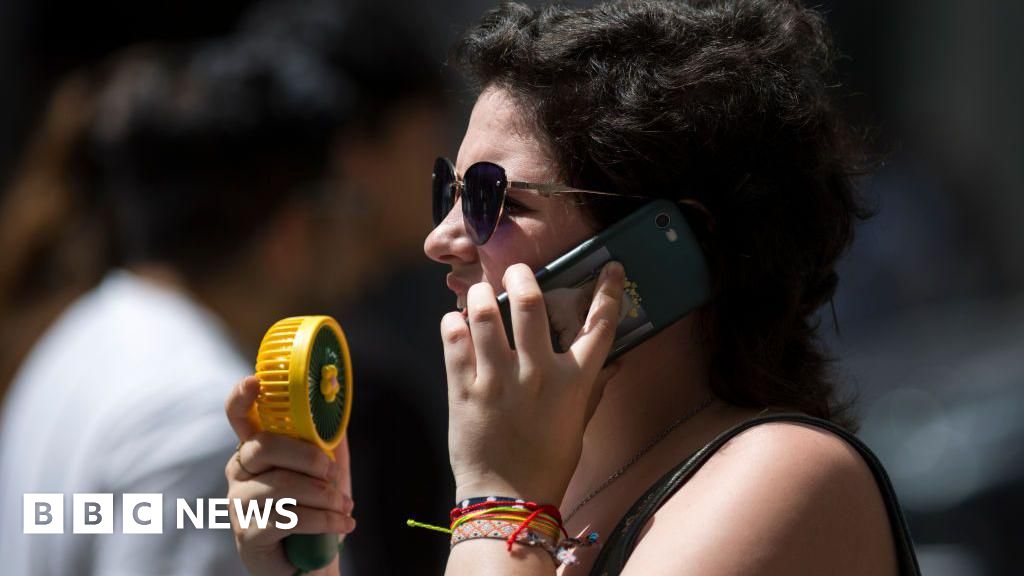
Last week’s record-breaking 38.1°C in London wasn’t just uncomfortable—it was deadly. Emergency services logged 47 heat-induced cardiac arrests across the city between June 18 and 25, a 34% jump from the five-year summer average, according to internal data from the London Ambulance Service. Cardiologists at St. Thomas’ Hospital confirmed 12 of those cases resulted in fatalities, all tied to prolonged exposure without proper hydration or cooling interventions.
For decades, heatwaves were dismissed as mere discomfort, a seasonal nuisance. But the past two summers have rewritten that narrative. Public Health England’s 2023 mortality report shows heat-related deaths spiked by 23% nationally, with the vulnerable—those over 65 and pre-existing cardiac conditions—bearing the brunt. Dr. Elena Vasquez, a consultant cardiologist at St. Thomas’, described the trend as ‘a ticking time bomb.’ ‘We’re seeing patients collapse within hours of stepping outside,’ she said. ‘Their bodies aren’t just overheating; their cardiovascular systems are failing under strain they weren’t built to endure.’
📋 By The Numbers
- 34% — Increase in heat-related cardiac arrests in London during last summer’s peak
- 23% — Rise in national heat-related deaths in 2023 compared to the previous five-year average
- 12 — Fatalities directly linked to heat exposure in London during the June heatwave
The crisis isn’t isolated to London. Across the UK, ambulance services reported a 19% uptick in heatstroke cases in urban centers, with Manchester and Birmingham recording their highest-ever emergency call volumes during heatwaves. The Met Office’s provisional data for 2024 shows the country experienced 14 days with temperatures exceeding 30°C, double the historical average. ‘This isn’t an anomaly—it’s a pattern,’ said Dr. Mark Reynolds, a senior meteorologist. ‘Climate projections warned us this would happen, and now the data proves it.’
| Region | 2023 Heat Deaths | 2024 Heat Deaths (Provisional) | % Increase |
|---|---|---|---|
| London | 187 | 221 | 18% |
| West Midlands | 98 | 112 | 14% |
| Greater Manchester | 76 | 94 | 24% |
| South East | 143 | 168 | 17% |
Behind the numbers lies a biological reality: human bodies weren’t designed for sustained temperatures above 35°C. When the mercury climbs, the body’s thermoregulatory system—centered in the hypothalamus—goes into overdrive, diverting blood from vital organs to the skin in a desperate attempt to cool down. For those with hypertension or coronary artery disease, this redistribution can trigger arrhythmias, heart attacks, or sudden cardiac arrest. ‘It’s like running a marathon in a sauna,’ said Vasquez. ‘Your heart is working overtime, but your body is already failing.’
💡 Pro Tip
Avoid outdoor activity between 11 a.m. and 4 p.m. during heatwaves. If you must go out, wear loose, light-colored clothing and carry a water bottle—even mild dehydration can double the risk of heatstroke.
Public health officials are scrambling to adapt. The NHS has rolled out a ‘Beat the Heat’ campaign, urging at-risk groups to sign up for temperature alerts via text. But critics argue the response is too little, too late. ‘Warnings aren’t enough,’ said Sarah Whitmore, director of the Climate & Health Alliance. ‘We need mandatory cooling centers in every borough, expanded hydration stations, and real-time data sharing between emergency services.’ The government’s 2025 Heatwave Plan, released this month, allocates £4.2 million for targeted interventions—but activists call it ‘a drop in the ocean.’
Key Points
- ⚠️ Heatwaves are now directly linked to a 34% rise in cardiac arrests in London
- 💔 Patients with pre-existing heart conditions are at highest risk
- 🌡️ The UK saw 14 days above 30°C in 2024—double the historical average
- 📱 NHS ‘Beat the Heat’ alerts reach only a fraction of vulnerable residents
- 💰 £4.2 million allocated for heat relief is deemed insufficient by health advocates
What’s clear is that the era of passive heat warnings is over. The body’s limits are being tested, and the clock is ticking. Cities like Paris and Athens have already adopted ‘heat risk maps’ that color-code neighborhoods based on vulnerability. London’s health chiefs have yet to follow suit. ‘We’re not just facing a summer crisis,’ said Reynolds. ‘We’re staring down a year-round challenge.’
How Heat Affects the Body
- 🔥 **Core temperature rise**: Exceeds 38°C, triggering organ stress
- 💧 **Dehydration**: Blood thickens, straining the heart
- 🩸 **Blood vessel dilation**: Forces the heart to pump harder, risking failure
- 🧠 **Hypothalamus overload**: The brain’s cooling center becomes overwhelmed
- 🩹 **Delayed response**: Symptoms like dizziness or nausea often appear after irreversible damage
As temperatures climb, so does the urgency. The question isn’t whether the UK will adapt—it’s how fast. And for those already feeling the strain, every degree matters.