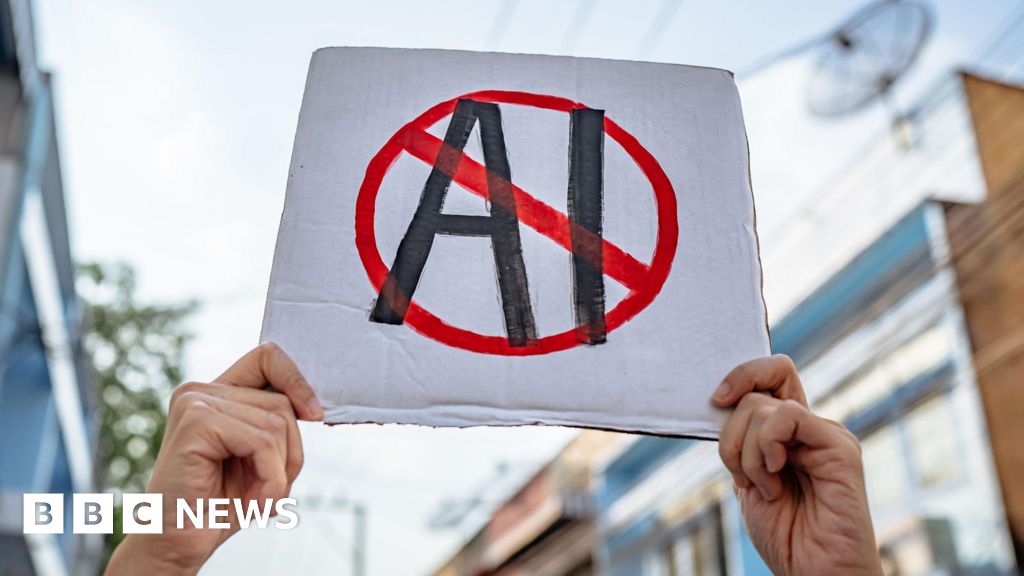
In a bid to reassure consumers and preserve authenticity, organizations across the globe are rushing to establish a globally recognized 'AI-free' logo. This initiative comes amid rising concerns over the pervasive use of artificial intelligence in products and services.
Key Points
- ✅ Organizations worldwide are developing a universal 'AI-free' label.
- ⚡ The movement is driven by a growing backlash against AI use.
- 💡 The logo aims to certify human-made products and services.
Companies and advocacy groups are collaborating to create a symbol that consumers can trust. The goal is to provide a clear distinction between items crafted by humans and those influenced or created by AI.
| Aspect | AI-Generated | Human-Made |
|---|---|---|
| Authenticity | Questionable | Guaranteed |
| Consumer Trust | Lower | Higher |
The push for such a certification is gaining traction in sectors like fashion, food, and technology, where the line between human and AI-generated content is increasingly blurred.
Industry leaders argue that a standardized logo could help consumers make more informed choices and support businesses that prioritize human craftsmanship.
💡 Pro Tip
For businesses looking to appeal to authenticity-conscious consumers, consider obtaining an 'AI-free' certification once it becomes available.
The initiative is still in its early stages, with various proposals being discussed. However, the urgency to establish a universally accepted symbol is palpable, as the use of AI continues to expand.
- First — Identify key industries that would benefit from an 'AI-free' logo.
- Second — Develop a clear and recognizable symbol.
- Third — Establish a certification process to ensure authenticity.
Critics of the movement caution that creating such a logo could be challenging, given the complexities of defining what constitutes 'human-made' in an increasingly digital world.
- 📊 Surveys show a significant consumer preference for human-made products.
- 🔍 The certification process must be transparent and rigorous.
- ⚠️ Defining 'human-made' in the age of AI is a complex task.
Despite these challenges, the momentum behind the 'AI-free' logo initiative is undeniable. As consumers become more discerning, the demand for transparency and authenticity is likely to grow.
📋 By The Numbers
- 65% — Percentage of consumers who trust human-made products more.
- 42% — Percentage of businesses considering AI-free certification.