Rescuers in northern Laos pulled five villagers to safety on Wednesday after they spent seven days trapped inside a partially submerged cave following a sudden flood. The group, consisting of three men and two women from a remote village near Phonsavan, had taken shelter in the cave during a storm on April 10 before heavy monsoon rains triggered a landslide that sealed the entrance with debris.
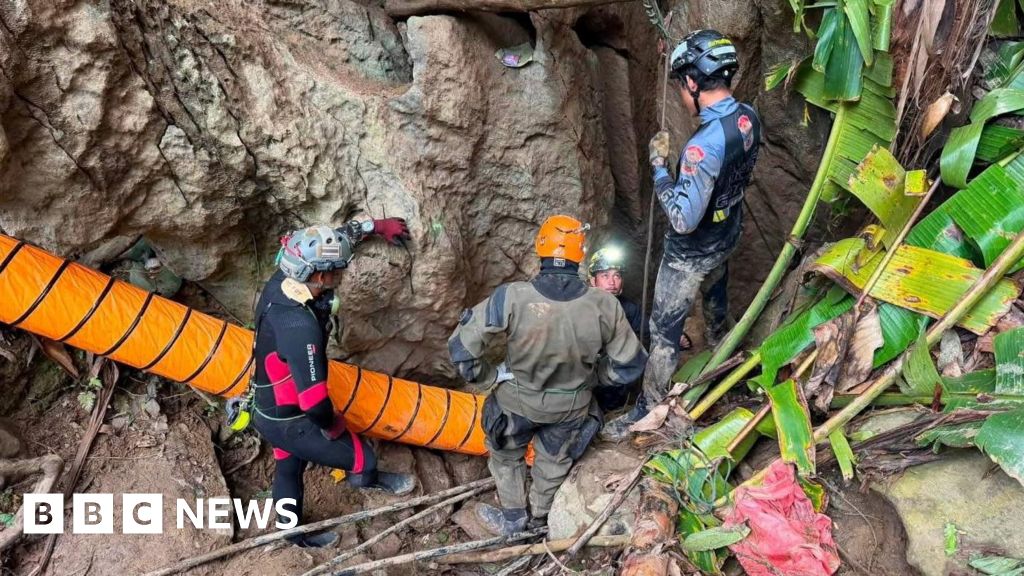
The rescue operation, led by the Laos People’s Armed Forces and supported by international cave rescue teams, involved navigating a 150-meter stretch of flooded passageways using diving equipment. According to Major Somchai Phoumsavanh of the Laos military’s emergency response unit, the team located the villagers on April 17 after detecting faint taps on the cave walls using geophones. "They were dehydrated but coherent," Somchai told reporters. "One of the women had sustained a minor leg injury, but they were otherwise in stable condition."
Key Details
- ✅ Five villagers rescued after seven days trapped in Laos cave
- ⚡ Cave entrance sealed by landslide following April 10 storm
- 💡 Rescue involved diving through 150 meters of flooded tunnels
Local officials confirmed the group had entered the cave to escape the storm but became stranded when rising water levels cut off their exit. Villagers from Ban Nong Tang reported hearing the group’s calls for help on April 11, prompting a search that initially focused on the surrounding jungle before geophysical equipment detected signs of life deep underground.
| Rescue Details | April 10 | April 17 |
|---|---|---|
| Event | Storm triggers landslide, seals cave | Rescue team locates survivors |
| Method | No access to cave interior | Diving through flooded tunnels |
| Condition | Group trapped with no food | All five rescued alive |
The rescue faced extreme challenges due to the cave’s unstable structure and limited oxygen levels. Dr. Lina Thammavong, a Thai cave rescue specialist assisting the operation, described the conditions as "among the most hazardous I’ve encountered." The team had to clear debris from the entrance while maintaining continuous contact with the survivors to guide them to safety. "Every movement had to be precise," Thammavong said. "A wrong turn could have flooded the tunnel further or collapsed the cave."
📋 By The Numbers
- 5 — Number of villagers rescued
- 150m — Distance divers navigated underwater
- 7 — Days without food or light
- 3 — International rescue teams involved
This is the second major cave rescue in Southeast Asia this year, following the successful extraction of 13 Thai boys from Tham Luang cave in 2018. However, the Laos operation was complicated by the cave’s remote location and the absence of established rescue infrastructure. The survivors were airlifted to a hospital in Phonsavan for evaluation, where doctors confirmed they were suffering from severe dehydration and mild hypothermia but no life-threatening injuries.
💡 Pro Tip
Avoid taking shelter in caves during monsoon season in Southeast Asia. Even shallow caves can become death traps when flash floods fill them within minutes. Always check local weather alerts and have an emergency exit plan before entering any underground space.
Local authorities have launched an investigation into why the villagers entered the cave despite warnings about the region’s unpredictable weather. The cave, known locally as Tham Khao Nok, is not mapped on official geological surveys and was previously considered safe. "We will review safety protocols for cave exploration," said Phonsavan District Governor Khampheng Souvannavong. "This tragedy could have been avoided."
- April 10 — Villagers take shelter in cave during storm
- April 11 — Search begins after calls for help detected
- April 17 — Rescue team reaches survivors using diving gear
- April 18 — All five airlifted to Phonsavan hospital
The survivors, aged between 24 and 58, are expected to make a full recovery. Their names have not been released pending notification of family members in the village. The cave remains sealed as engineers assess structural stability before further investigation.