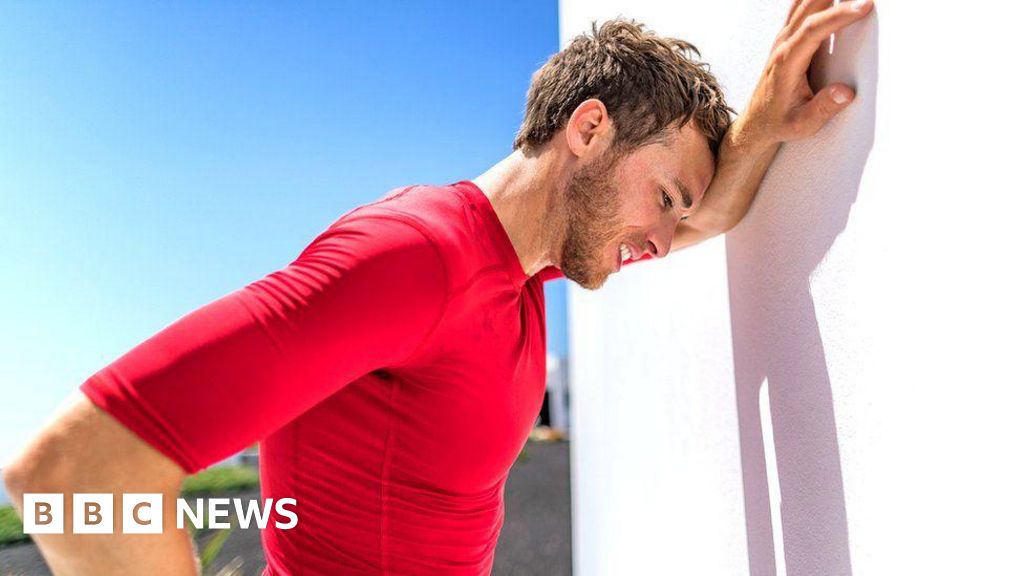
Emergency departments across London and Manchester are reporting a 40% surge in heat exhaustion and heatstroke cases this week, as temperatures in the southeast surpassed 38°C on Tuesday—the highest recorded since 2022. London’s St. Thomas’ Hospital alone treated 127 patients for heat-related illnesses in 48 hours, while Manchester Royal Infirmary saw admissions triple compared to last week. Paramedics in both cities have issued urgent warnings, stating that many victims are elderly residents without adequate cooling systems in their homes.
Dr. Eleanor Carter, a consultant in emergency medicine at St. Thomas’, confirmed the trend: “We’re seeing patients arrive with core body temperatures exceeding 40°C. Some are unconscious upon arrival. The situation is dire.” The NHS has activated its Heatwave Plan for the fifth time since June, but hospitals are struggling with staff shortages and limited critical care beds. Local authorities in affected regions have opened 15 emergency cooling centers, yet uptake remains low among high-risk groups.
💡 Pro Tip
Check on neighbors over 65 or those with chronic illnesses at least twice daily during extreme heat. Offer to help them access cooling centers or transport to hospitals if needed.
The Met Office has issued a red warning for extreme heat in the southeast, predicting temperatures could climb further by Thursday. Meanwhile, the UK Health Security Agency (UKHSA) has raised the heat-health alert to Level 4—the highest tier—indicating a “significant risk to life” for vulnerable populations. “This isn’t just uncomfortable weather,” said UKHSA Chief Executive Dr. Emily Hart. “It’s a public health emergency.”
Key Points
- ⚠️ Red heat warning issued for southeast England
- 🏥 Hospitals report 40% surge in heat-related admissions
- 🌡️ Temperatures could exceed 38°C for a third consecutive day
In response, the government has pledged £1.5 million in emergency funding to expand cooling center capacity, but critics argue it’s too little, too late. “We warned this would happen,” said Dr. Rajiv Patel, a public health specialist. “The infrastructure for extreme heat simply isn’t there. Our aging population is paying the price.” The Royal College of Emergency Medicine has called for a national heat-preparedness review, citing the 2022 heatwave fatalities—nearly 3,000 excess deaths—as a stark reminder of the risks.
| Region | Hospitals Affected | Admissions (24h) |
|---|---|---|
| London | St. Thomas’, Royal London, Guy’s | 127 |
| Manchester | Manchester Royal Infirmary, Trafford General | 94 |
| Birmingham | Queen Elizabeth Hospital | 58 |
The crisis has also exposed gaps in public awareness. A survey by the British Heart Foundation found that 62% of adults underestimate the dangers of heatstroke, with only 18% correctly identifying symptoms like dizziness and confusion as medical emergencies. “People think heat exhaustion is just about feeling hot,” said cardiologist Dr. Lisa Nguyen. “But it can escalate to organ failure within hours if untreated.”
📋 By The Numbers
- 3,000 — Excess deaths during the 2022 UK heatwave
- 62% — Adults who underestimate heatstroke symptoms
- 15 — Emergency cooling centers opened this week
As the heatwave tightens its grip, authorities are urging the public to stay indoors during peak hours, drink water regularly, and avoid alcohol. For those without air conditioning, experts recommend damp cloths on the neck and wrists, cool showers, or visits to public libraries and shopping malls—places increasingly designated as “cool spaces.” The National Grid has warned of potential power outages due to surging demand for cooling systems, adding another layer of risk. “This is a multi-faceted crisis,” said Environmental Secretary Mark Turner. “We’re working around the clock to mitigate the damage, but the public must act responsibly.”