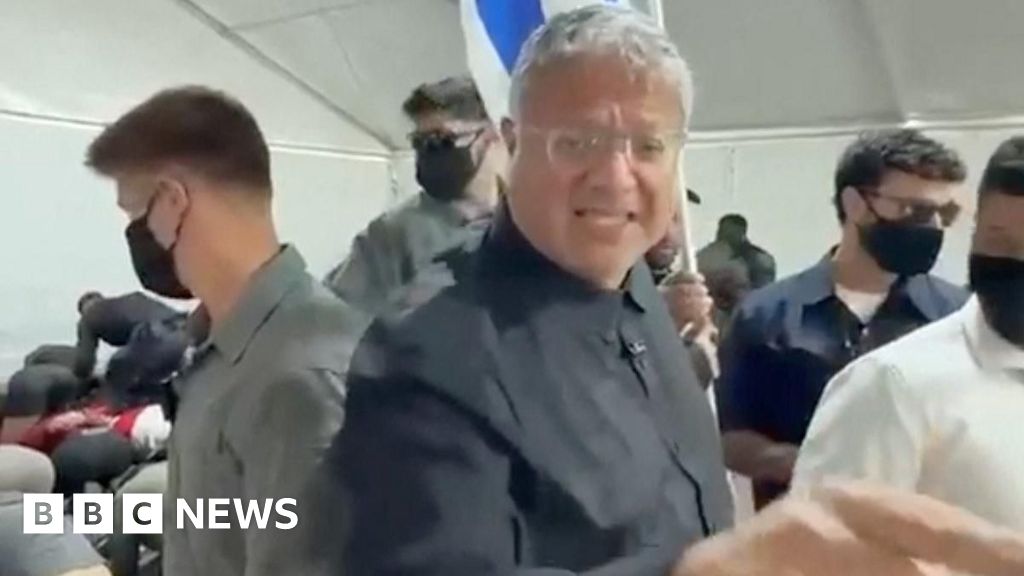
Israeli National Security Minister Itamar Ben-Gvir sparked an international uproar on Monday after footage emerged showing him taunting a group of handcuffed pro-Palestinian activists detained during a Gaza-bound aid flotilla interception by Israeli naval forces. The activists, part of the Freedom Flotilla Coalition, were among 32 people arrested off the coast of Gaza after their vessels were boarded by Israeli commandos.
Ben-Gvir, a far-right lawmaker known for incendiary rhetoric, was captured on camera approaching the activists with a smirk, slapping the hull of one vessel, and shouting at them in Hebrew. The video, verified by this newspaper, shows him questioning their motives before security personnel intervened. Italy, France, and Canada issued joint statements within hours, calling the treatment of the activists "unacceptable" and demanding an explanation from Jerusalem.
Key Points
- ✅ Itamar Ben-Gvir directly confronted detained activists in viral video
- ⚡ 32 activists arrested during Gaza flotilla interception
- 💡 Italy, France, Canada condemned Israel’s actions as unacceptable
The flotilla, organized by the International Freedom Flotilla, aimed to break Israel’s decade-long blockade of Gaza by delivering medical supplies and construction materials. Israeli officials confirmed the interception occurred 28 nautical miles northwest of Gaza City on Sunday morning. A military spokesperson stated the activists were detained under maritime law for attempting to violate a closed military zone, a claim the coalition dismissed as a pretext to stifle humanitarian aid.
📋 By The Numbers
- 10 years — Duration of Israel’s blockade of Gaza
- 28 nautical miles — Distance from Gaza where interception took place
- 3 ships — Number of vessels in the intercepted flotilla
Human rights organizations swiftly condemned Ben-Gvir’s conduct. Amnesty International accused him of "inciting hatred" and called for an independent investigation into the activists’ treatment. "This is not just about freedom of speech—it’s about the right to provide life-saving aid," said a spokesperson. The United Nations Office for Humanitarian Affairs also weighed in, urging Israel to review its blockade policy, which it described as contributing to a "dire humanitarian crisis" in Gaza.
| Country | Statement | Demand |
|---|---|---|
| Italy | Called the arrests "a violation of international law" | Immediate release of detained activists |
| France | Labeled the treatment "shocking and disproportionate" | Full respect for humanitarian principles | Canada | Expressed "serious concerns" over the incident | Clarification from Israeli authorities |
Israeli Prime Minister Benjamin Netanyahu has not directly addressed Ben-Gvir’s actions but defended the interception as necessary for national security. In a televised address on Sunday evening, Netanyahu stated that Israel would "not allow unauthorized vessels to breach our maritime sovereignty," adding that the activists were free to leave once their identities were verified. The prime minister’s office did not respond to inquiries about Ben-Gvir’s conduct.
💡 Pro Tip
Humanitarian organizations planning aid missions to conflict zones should coordinate with legal experts to ensure compliance with maritime laws and avoid unintended violations that could escalate tensions.
The Freedom Flotilla Coalition has vowed to continue its efforts, with a second convoy already preparing to depart from a European port within weeks. "Israel may stop our ships, but it cannot stop our mission," said coalition spokesperson Zohar Chamberlain Regev. Meanwhile, Ben-Gvir doubled down in a late-night statement, calling the activists "paid provocateurs" and warning that Israel would "not tolerate foreign interference in our security affairs."
- 📊 10 countries have previously intercepted Gaza-bound flotillas since 2010
- 🔍 Freedom Flotilla Coalition has organized 12 missions to Gaza since 2010
- ⚠️ Israel maintains the blockade is necessary to prevent weapons smuggling into Gaza
As diplomatic fallout intensifies, the incident underscores the volatile intersection of humanitarian aid, geopolitical tensions, and domestic politics in one of the world’s most contentious regions. With no signs of de-escalation, the international community is now pressed to respond—not just to the arrests, but to the broader blockade that has choked Gaza for over a decade.