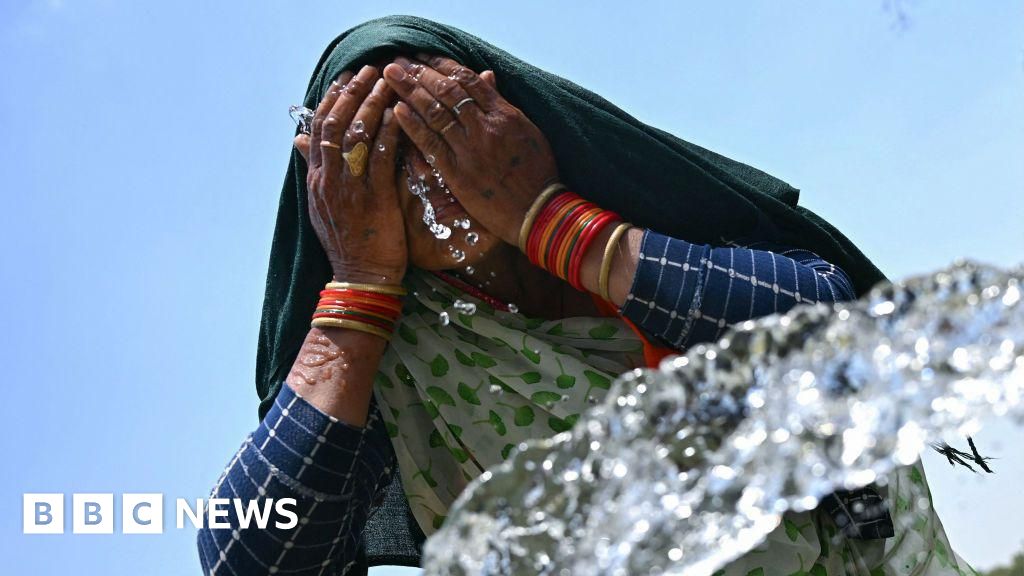
A 52-year-old cycle-rickshaw puller collapsed on Delhi’s Chandni Chowk pavement yesterday, his body failing under the weight of 45°C heat. Harish Chandra’s last words before paramedics arrived were not about pain, but hunger: *‘If I stop, they do not eat.’*
Chandra’s collapse mirrors a growing crisis among Delhi’s informal workforce of over 5 million, where daily survival trumps safety. Temperatures that exceed 40°C for 18 consecutive days this year have turned streets into furnaces, yet for street vendors, rickshaw drivers, and construction labourers, abandoning work means abandoning paychecks. One rickshaw driver, Mohammad Umar, missed an entire day’s earnings last week after heat exhaustion forced him to halt mid-route.
Key Points
- ⚠️ Informal workers in Delhi face temperatures exceeding 45°C daily during peak summer
- 💰 Daily wage earners risk heatstroke to maintain income, with no paid leave or safety nets
- 🌡️ 18 consecutive days of temperatures above 40°C recorded in June 2024
Local hospitals report a 30% surge in heat-related admissions since May, with symptoms ranging from dehydration to organ failure. Dr. Ananya Patel, head of emergency medicine at Lok Nayak Hospital, warns that the city’s healthcare system is buckling under the strain. “Patients arrive with core temperatures over 41°C. Some don’t make it past the triage room,” she says. The hospital has opened a dedicated heatstroke unit, but staff are overwhelmed by the volume of cases.
| Heat Impact | Outdoor Workers | Indoor Workers |
|---|---|---|
| Daily Earnings | ₹300–₹500 (if they last the day) | ₹800–₹1,200 (stable) |
| Heatstroke Risk | High | Low |
| Access to Cooling | None | Air-conditioned offices |
The disparity is stark. Inside the air-conditioned confines of Khan Market’s luxury boutiques, shoppers sip iced lattes while outside, fruit vendor Rekha Devi wipes sweat from her brow with a damp cloth. “The heat burns my skin,” she says. “But if I close my stall, my children go hungry.” Her daily wage—₹250—barely covers a day’s groceries in Delhi’s inflated markets.
💡 Pro Tip
Informal workers should carry a 500ml water bottle with electrolyte powder every two hours and seek shade in government-run community centres during peak heat hours (12 PM–3 PM).
Climate scientists at the Indian Institute of Tropical Meteorology confirm that Delhi’s heatwaves are intensifying. Dr. Rajesh Kumar, lead researcher on urban heat, states, “The city’s concrete jungle traps heat, creating microclimates where temperatures can spike 5°C higher than official recordings.” His team’s latest study shows that Delhi’s heat index—a measure of perceived temperature—has risen by 2.3°C since 2010, with informal settlements bearing the brunt.
📋 By The Numbers
- 1.2 million — Informal workers in Delhi lacking any form of heat protection
- 37°C — Average indoor temperature in Delhi’s slums, with no ventilation
- 12,000 — Reported heatstroke cases in Delhi this summer
Government response has been limited. The Delhi government allocated ₹18 crore for heatwave relief in May, but activists argue it’s insufficient. “This is a drop in the ocean,” says Sunita Sharma, coordinator of the Delhi Labour Rights Collective. “Workers need shade, water stations, and paid leave during extreme heat. Without these, the deaths will only rise.” The National Disaster Management Authority has yet to declare a heatwave emergency, despite temperatures breaching the “severe” threshold for over three weeks.
- First — Establish shaded rest areas with water stations at every major market
- Second — Mandate paid leave for outdoor workers when temperatures exceed 40°C
- Third — Provide free basic healthcare for heatstroke victims in government hospitals
The International Labour Organization warns that without intervention, Delhi’s informal workforce could face a “silent humanitarian crisis.” For now, Harish Chandra’s children remain in Bihar, unaware their father is one heatwave away from joining the growing list of casualties. “I tell them I’m fine,” he says. “What else can I say?”