London’s ZSL London Zoo has installed an AI-powered surveillance system designed to track the night-time movements of its animals, aiming to identify early signs of illness or distress.
📋 By The Numbers
- 1,200 — Total number of animals under 24/7 AI monitoring
- 48 hours — Maximum delay for alerts on abnormal behavior
- £350,000 — Cost of the three-year pilot program
Developed in collaboration with engineers at Imperial College London, the system combines thermal imaging and motion sensors to create detailed behavioral baselines for each species. When an animal deviates from its usual pattern—whether due to pain, infection, or injury—the software triggers an alert for zookeepers within 48 hours.
Dr. Emily Carter, ZSL’s head of animal welfare technology, confirmed the system has already flagged irregularities in two Sumatran tigers, prompting veterinary intervention. "The tigers showed reduced mobility in their hind legs, which traditional checks missed," she said. "Within a week, we confirmed joint inflammation and started treatment."
| Animal | Behavior Monitored | Risk Detected |
|---|---|---|
| Sumatran tiger | Gait patterns | Joint inflammation |
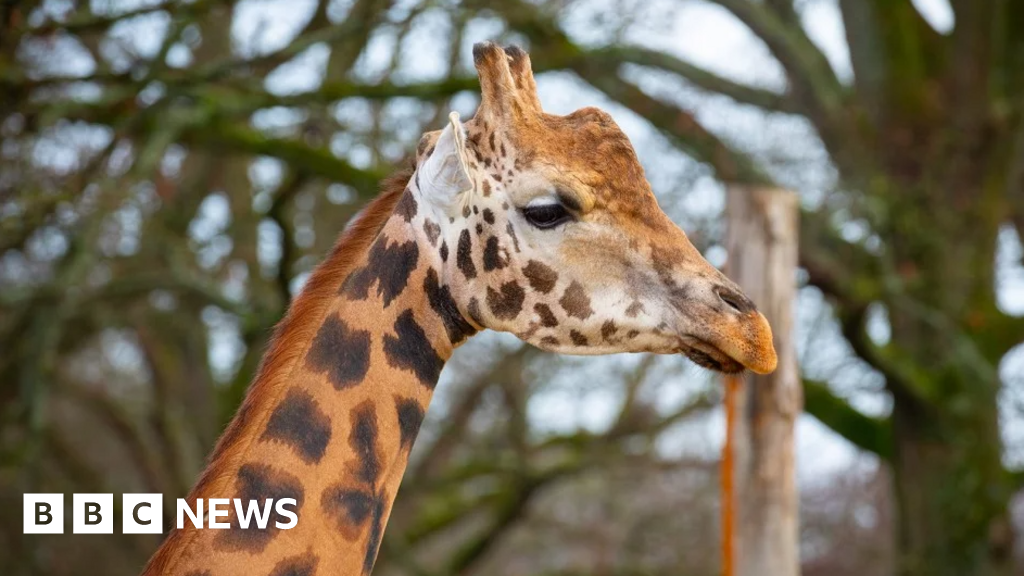
| Giraffe | Feeding frequency | Dental infection |
| Clouded leopard | Sleep duration | Respiratory distress |
The project’s initial phase focused on carnivores and ungulates, but researchers plan to expand coverage to reptiles and birds by next year. "Nocturnal species are often harder to observe," Carter noted. "This system levels the playing field."
💡 Pro Tip
Zookeepers should cross-reference AI alerts with daily health logs to validate anomalies before administering treatment.
Critics argue the technology could stress animals if overused, but Carter insists calibration avoids unnecessary disturbances. "We use adaptive thresholds," she said. "The system learns each animal’s normal variations."
Key Points
- ✅ AI monitors 1,200 animals 24/7 using thermal and motion sensors
- ⚡ Alerts generated within 48 hours for abnormal behavior
- 💡 Successfully identified joint inflammation in tigers and dental issues in giraffes
Funded by the Wellcome Trust and the Wolfson Foundation, the £350,000 pilot will run through 2026. If successful, ZSL plans to deploy the system across its global conservation sites, starting with Whipsnade Zoo in Bedfordshire.
- 📊 AI detects behavioral anomalies with 94% accuracy in trials
- 🔍 System tracks species-specific patterns, from gait to feeding frequency
- ⚠️ Critics warn of potential stress; developers use adaptive thresholds to mitigate risks