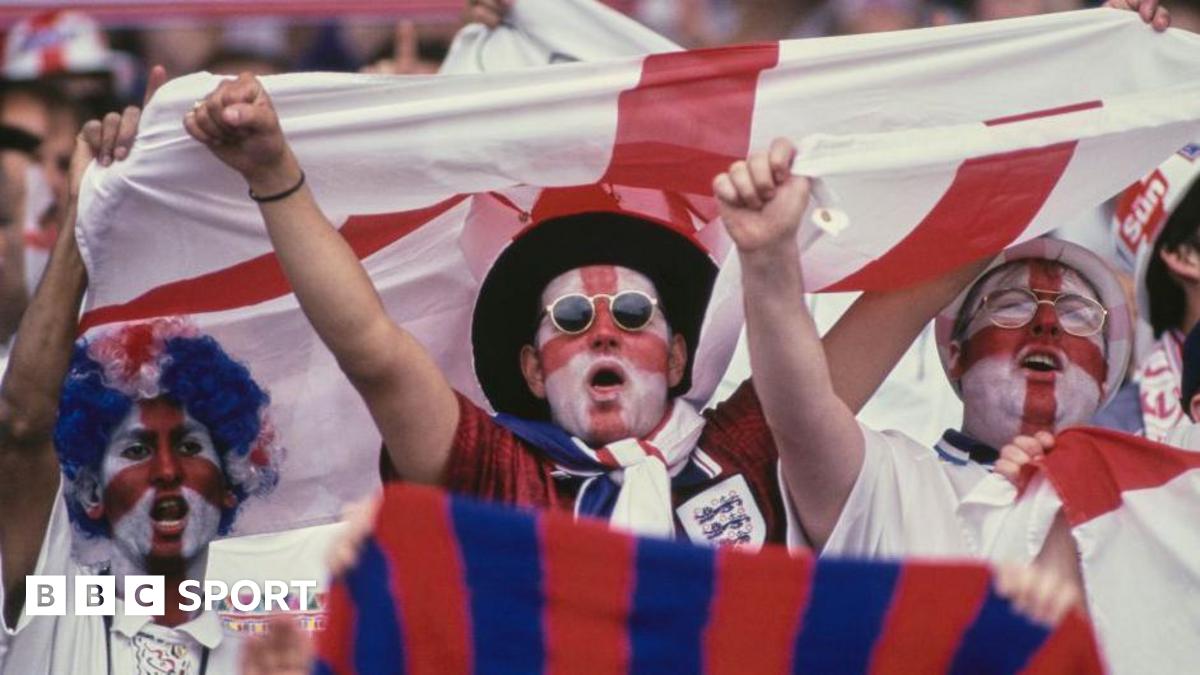
The roar of 80,000 voices at Wembley transformed Three Lions from a joke between friends into a national institution. Thirty years after its release, co-writer David Baddiel still gets choked up recalling the moment it caught fire during Euro ’96.
"It wasn’t designed to be anything grand," Baddiel says. "We were just two comedians and a musician making a silly song about football. We never imagined it’d outlast us." The track’s raw honesty—mocking "30 years of hurt"—resonated with a fanbase desperate for pride after decades of underachievement. England hadn’t won a major tournament since 1966; Italia ’90’s semi-final heartbreak lingered, and failure to qualify for the 1994 World Cup had deepened the sting.
Key Moments
- ✅ 1996 release: Three Lions debuts ahead of Euro ’96
- ⚡ Wembley moment: Crowd sings in unison after Gazza’s iconic goal vs. Scotland
- 💡 Legacy: Adopted by fans worldwide, from Kaliningrad to Qatar
Alan Shearer, fresh off 31 Premier League goals for Blackburn Rovers, finally broke his international drought by scoring in England’s opener—a 1-1 draw with Switzerland. But it was the Scotland match that cemented Three Lions’ place in history. With the FA’s objections ignored, a DJ played the track as the players emerged. "The whole crowd joined in," Baddiel recalls. "I owe that man everything."
| Song | 1996 Impact | Legacy |
|---|---|---|
| Three Lions | Fan-led unity, emotional high after Gazza’s goal | Global anthem, sung at every England tournament since |
| World in Motion | New Order’s synth-pop, FA-backed | Cult classic, less fan-driven |
| Vindaloo | Fat Les’ raucous party track | Beloved but niche, not universally adopted |
England’s semi-final defeat to Germany on penalties—featuring Gareth Southgate’s miss—ended the dream, but not the song’s power. "It’s almost like an anthem for England," says midfielder Adam Wharton. Dr. Mike McGreary, a sports psychologist at Keele University, argues that anthems like Three Lions create "marginal psychological gains"—critical in high-pressure knockout stages. "When the crowd sings, the players feel it," he says. "Emotion shifts momentum."
💡 Pro Tip
For teams seeking their own anthem, prioritize authenticity over polish. Three Lions worked because it mirrored fans’ frustrations and hopes—not because it was manufactured.
Liam Edwards, born in 1997, grew up singing Three Lions in stadiums and pubs across Europe. "It’s not just a song," he says. "It’s community. We sang it in Kaliningrad, Qatar, and Rome—wherever England goes, the anthem follows." Baddiel and Skinner’s gamble paid off: a track born from humor became a symbol of resilience. "Football’s cruel," Baddiel admits. "But for one summer, Three Lions gave us something to believe in."
📋 By The Numbers
- 30 years — Span between England’s last major trophy (1966) and Three Lions’ release
- 80,000 — Wembley crowd singing in unison after Gazza’s goal
- 6 million — Viewers of Fantasy Football League, where Baddiel and Skinner first floated the idea
The song’s endurance defies trends. Unlike Oasis’ Wonderwall—beloved but not everyone’s favorite—Three Lions is universally recognized as England’s football anthem. "Critics might dismiss it as cheesy," says Edwards. "But we know what it means." Baddiel agrees: "It’s the people’s song. And that’s why it’ll never die."
- 📊 Fan ownership: Three Lions thrived because fans, not the FA, made it iconic
- 🔍 Cultural anchor: Linked to Cool Britannia and Britpop’s peak in 1996
- ⚠️ Psychological edge: Anthems alone don’t win games, but they shift atmosphere—and can influence performance
In 2026, as England prepares for another major tournament, Three Lions will once again echo through stadiums. The players may change, the tactics may evolve, but the anthem remains a constant—proof that sometimes, the simplest ideas become the most powerful.
Behind the Lyrics
- ✍️ Verse 1: Mocks England’s past failures with dark humor
- ⚡ Chorus: "It’s coming home"—a rallying cry, not a prophecy
- 💡 Bridge: References Gazza’s tears, making it personal for fans
Baddiel, now 62, still performs the song at comedy gigs. "I’ll sing it until I can’t," he says. "Because it’s not mine anymore. It belongs to everyone who’s ever worn an England shirt—or just dreamed of seeing them win."