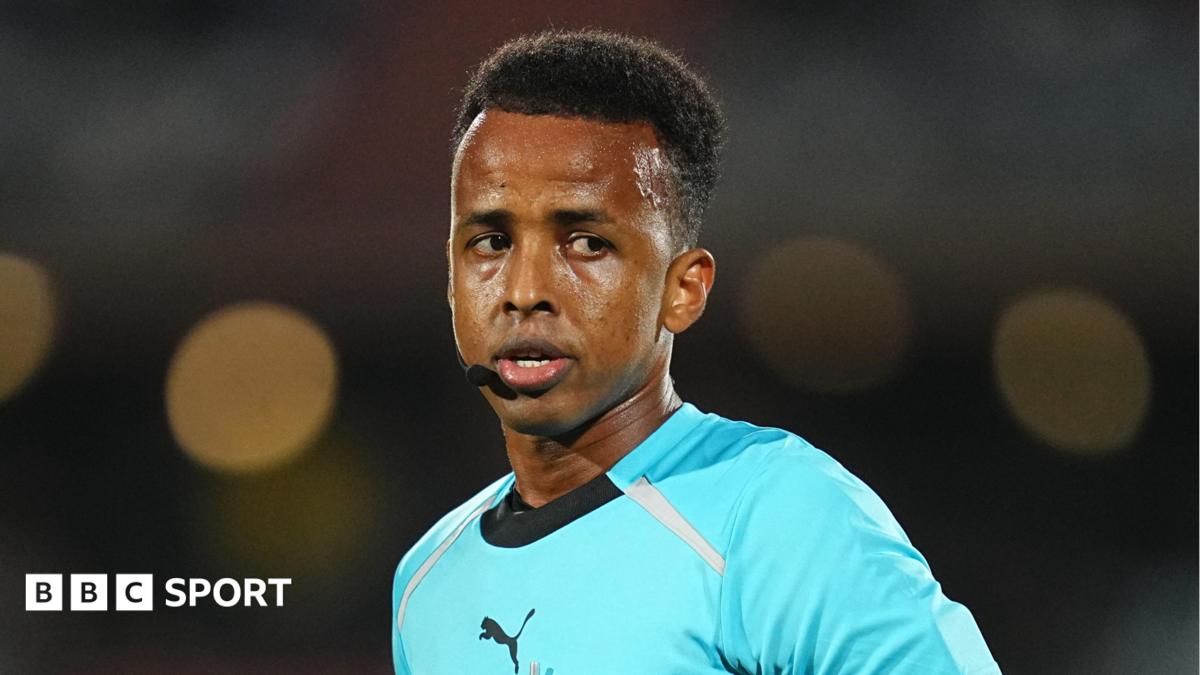
The U.S. government has blocked Somali referee Omar Artan from entering the country, preventing him from officiating matches at the 2026 FIFA World Cup. Artan, who last year became the first Somali referee to be included in FIFA’s elite list, was scheduled to travel to a mandatory training camp in Dallas starting June 5. On May 28, however, U.S. Customs and Border Protection denied his visa under Section 212(f) of the Immigration and Nationality Act, which allows the president to restrict entry for national security reasons.
Artan’s exclusion is the first confirmed case of a match official being denied entry to the U.S. for the tournament, raising immediate questions about consistency in visa policies for World Cup officials. FIFA’s chief refereeing officer, Pierluigi Collina, confirmed the denial in a private briefing with European referees’ associations last week but did not publicly comment. The organization has yet to issue a formal response.
Key Actions
- ✅ FIFA named Artan to elite referee list in January 2025
- ⚡ U.S. issued denial under national security grounds two weeks before camp
- 💡 No public statement from U.S. State Department on specific concerns
Sources within the Somali Football Federation say Artan’s application was processed through the standard diplomatic visa channel, a route typically used for international sports officials. The denial letter, reviewed by this newspaper, cites “adverse foreign policy considerations” but offers no further explanation. Artan, 38, has officiated matches in the African Champions League and was selected for the 2023 Africa Cup of Nations.
| Official | Status | Reason Cited |
|---|---|---|
| Omar Artan | Denied Entry | National Security |
| Three European referees | Approved | Standard review |
Inside FIFA’s refereeing department, concerns are growing about the logistical chaos the denial could trigger. The 2026 World Cup will feature 100 referees from 35 countries, all required to attend mandatory camps in the U.S. and Canada. While FIFA has contingency plans, including last-minute replacements, Artan’s case introduces a new layer of unpredictability for officials from countries with strained diplomatic ties to Washington.
📋 By The Numbers
- 1 — Somali referee denied entry to U.S. for 2026
- 35 — Countries represented among 2026 referee pool
- 100 — Total referees confirmed for tournament
U.S. officials declined to explain why Artan was singled out, but diplomatic sources in Mogadishu and Washington suggest the decision may be linked to broader counterterrorism policies. Somalia has been a partner in U.S.-led counterterrorism efforts in the Horn of Africa, but recent tensions over military cooperation have flared. In April, the U.S. temporarily suspended military aid to Somalia over human rights concerns, a move criticized by Somali officials.
💡 Pro Tip
Referees traveling to the U.S. for major tournaments should file visa applications at least six months in advance and request expedited review through diplomatic channels to avoid last-minute denials.
The exclusion is also a blow to Somalia’s football ambitions. Artan is the country’s most decorated referee and had been slated to officiate group-stage matches, including potential high-profile games. The Somali Football Federation has requested an urgent meeting with the U.S. Embassy in Nairobi to seek clarification, but no response has been received as of Tuesday.
- Immediate impact — Artan cannot participate in training or officiate matches
- FIFA’s response — Likely to press for written assurances from U.S. officials
- Long-term risk — Could deter officials from high-risk countries from applying for future tournaments
Legal experts tracking visa refusals for athletes and officials say the denial sets a troubling precedent. “When national security is cited without specifics, it creates a black box,” said immigration lawyer Sarah Chen of Melbourne. “Athletes and referees can’t challenge what they don’t know.”