FIFA has imposed a landmark rule requiring every women’s team competing in its tournaments to have at least one female coach on the bench—either as head coach or assistant—effective immediately. The regulation covers all matches in the under-17 and under-20 Women’s World Cups and Women’s Champions Cup this year, with full enforcement across all youth and senior competitions, including club and national team events.
FIFA’s Council approved the decision Thursday, framing it as a cornerstone of its long-term strategy to increase female representation in coaching. Under the new rule, at least two staff members on each team’s bench must be women, with one occupying a head or assistant coach role. The policy applies universally, from club academies to senior national teams, signaling a systemic shift in how the sport addresses gender imbalance in leadership.
Key Points
- ✅ All FIFA women’s tournaments now require at least one female coach on the bench
- ⚡ Rule applies to youth and senior competitions, including clubs and national teams
- 💡 One of two bench staff must be female, with a head or assistant coach role specified
Speaking after the vote, FIFA chief football officer Jill Ellis emphasized the urgency of the measure. “There are simply not enough women coaching today,” she said. “We must accelerate change by creating clearer pathways, expanding opportunities, and increasing visibility for women on the sidelines.” FIFA plans to pair the regulation with targeted development programs to support the next generation of female coaches.
📋 By The Numbers
- 12 — Number of female head coaches at the 2023 Women’s World Cup
- 4 — Times Sarina Wiegman has been named FIFA’s best women’s coach
- 32 — Total national teams at the 2023 Women’s World Cup
The push comes as England manager Sarina Wiegman, a four-time FIFA Coach of the Year, leads a historic charge for gender parity. Though she remains the only female coach to reach the 2023 quarter-finals, Wiegman has been vocal about the need for systemic change. “We hope to see more female coaches at the top,” she said. “Balance matters, and when it improves, it will inspire more women to enter coaching.”
| Coach | Nationality | Current Role |
|---|---|---|
| Sarina Wiegman | Dutch | England national team |
| Emma Hayes | English | United States national team |
| Gemma Grainger | English | Norway national team |
| Casey Stoney | English | Canada national team |
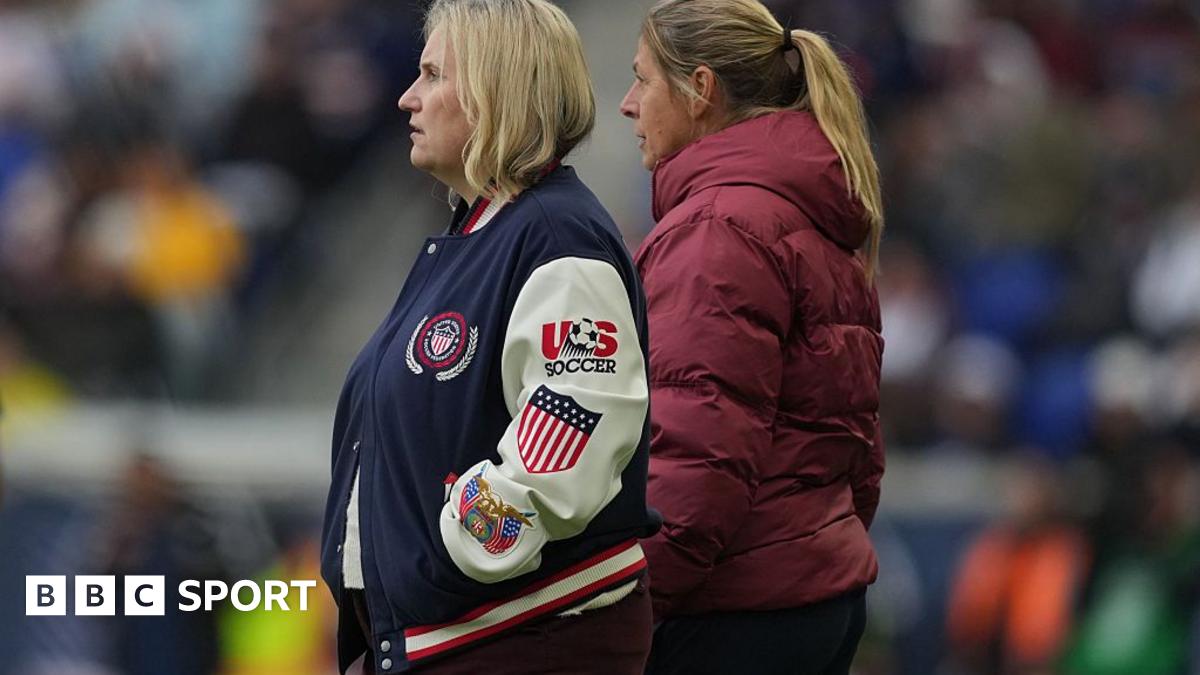
High-profile English coaches like Emma Hayes have long criticized the lack of pathways for women in football. Speaking in early 2024, she called the issue “a massive problem” and urged administrators to “come up with more creative ways” to address it. Hayes, alongside assistant Denise Reddy, now leads the U.S. women’s national team, a role that has amplified her platform to advocate for reform.
💡 Pro Tip
Clubs seeking to comply with FIFA’s new rule should prioritize mentorship programs pairing aspiring female coaches with experienced technical staff, ensuring both immediate bench presence and long-term pipeline development.
FIFA’s gamble is bold: use regulation to force structural change, rather than wait for cultural shifts to catch up. With the 2027 Women’s World Cup in Brazil as the first major test of the policy’s impact, the federation is betting that mandatory representation will yield quantifiable progress. Whether the rule will catalyze a wave of new female coaches or simply compel teams to appoint token figures remains to be seen—but the era of passive observation is over.
Key Targets
- 🎯 Increase female head coaches in FIFA tournaments from 38% in 2023 to 50% by 2027
- 📈 Expand UEFA coaching license pathways for women by 2026
- 🔄 Establish a global mentorship network linking 100 female coaches to senior staff by 2025
The ripple effect is already visible. Rhian Wilkinson, a Welsh coach who led her nation to Euro 2025, and Carla Ward, managing Ireland, represent the growing ranks of English-speaking women breaking into top-tier roles. Yet the scale of the challenge remains stark: in 2024, fewer than 10% of UEFA Pro License holders were women, underscoring the depth of the pipeline problem.
For the first time, FIFA’s rulebook has become a lever for social change. Whether it succeeds will depend not just on enforcement, but on whether federations treat female coaches as assets—not accommodations. One thing is certain: the days of all-male technical staff at women’s matches are officially numbered.