Morocco’s stunning 2022 World Cup campaign, which saw them become the first African side to reach the semi-finals, has not only rewritten history but also offered a clear path for the continent’s football ambitions. The Atlas Lions’ progression under manager Walid Regragui defied expectations, with victories over heavyweights Belgium, Spain, and Portugal proving that Africa’s moment is no longer a distant fantasy.
Key Points
- ✅ Morocco’s 2022 World Cup semi-final run marks Africa’s deepest tournament finish
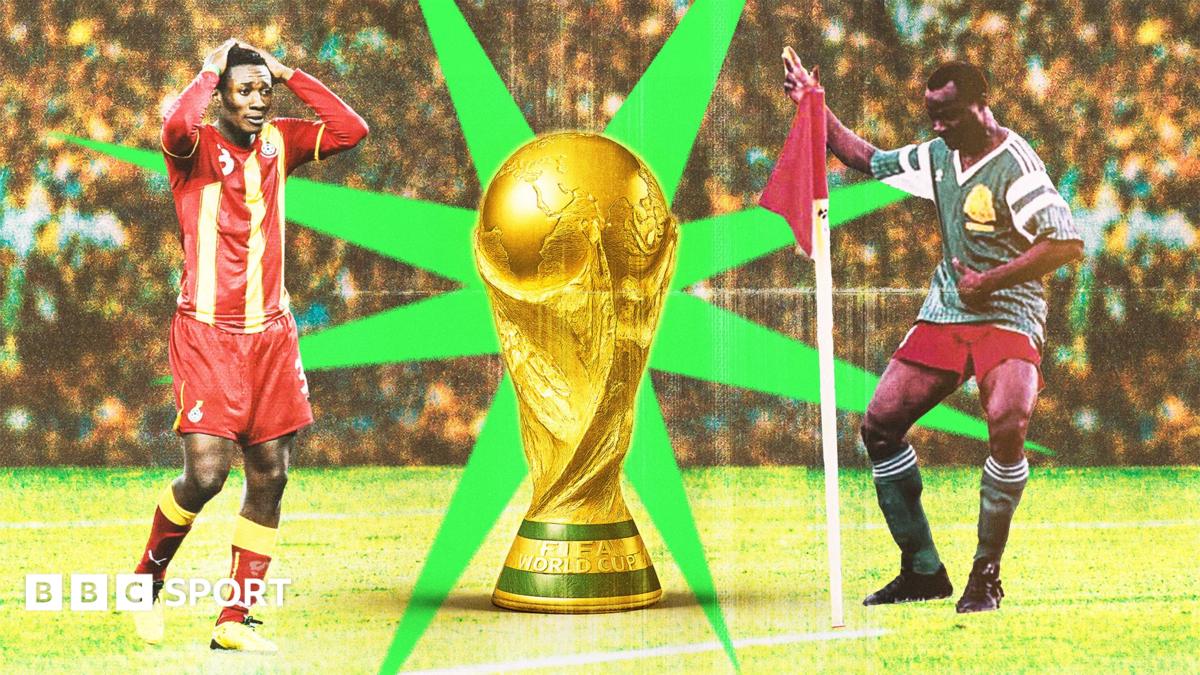
- ⚡ Three African teams—Cameroon (1990), Senegal (2002), Ghana (2010)—previously reached the quarter-finals
- 💡 Morocco’s success stems from decade-long investment in youth academies and infrastructure
For the first time, an African nation has demonstrated that sustained development can overcome traditional football powerhouses. The road to Qatar 2022 began more than a decade earlier, when King Mohammed VI of Morocco commissioned the Mohammed VI Football Academy, which opened in 2009. A decade later, the $65 million (£48.7m) Mohammed VI Training Complex followed, providing state-of-the-art facilities for the Atlas Lions’ youth teams. The investment has paid dividends, with Morocco now ranked as Africa’s top team by FIFA.
The blueprint Morocco established—government-backed funding, long-term academy programs, and consistent age-group development—has become the gold standard for African football. Former Nigeria captain William Troost-Ekong emphasized the importance of structural investment: “Morocco has created a blueprint of how it can be done, which is years and years of investing in grassroots football and academies.” Troost-Ekong, who captained Nigeria at the 2018 and 2022 World Cups, added that federations must be supported from the highest governmental levels to replicate Morocco’s success.
| African World Cup Milestones | Year | Team | Stage |
|---|---|---|---|
| First African quarter-finalist | 1990 | Cameroon | Quarter-finals |
| First African semi-finalist | 2022 | Morocco | Semi-finals |
| Most recent quarter-finalist | 2022 | Morocco | Quarter-finals |
Analysts point to Morocco’s tactical discipline and physical resilience as key factors in their World Cup run. Their ability to press high, maintain possession, and execute set pieces under pressure set them apart from other African teams. Former Ghana international Asamoah Gyan, who played in the 2010 World Cup quarter-finals, noted that Morocco’s preparation was “decades in the making.” Gyan, now a football pundit, said, “When you see the structures they’ve built, you understand why they could compete with Europe’s best.”
📋 By The Numbers
- 4 — Consecutive African nations to reach the World Cup knockout stages (Nigeria 2014, Senegal 2002, Ghana 2010, Morocco 2022)
- 13 — African countries represented at World Cup finals since 1930
The question now is whether Morocco’s success can inspire a wave of similar investments across Africa. Senegal, Nigeria, and Egypt have all shown glimpses of potential, but none have matched Morocco’s infrastructure or consistency. FIFA’s Forward Programme, which provides financial support to member associations, has already begun funding grassroots projects in countries like Ivory Coast and Kenya. The programme’s director, Jaime Yarza, confirmed that “priority will be given to federations with clear long-term plans.”
💡 Pro Tip
For African nations aiming to replicate Morocco’s success, start with youth development. Build academies that scout talent early, invest in coaching education, and ensure government backing. Consistency in age-group competitions is just as critical as elite senior team results.
Yet challenges remain. Financial disparities between African federations and their European or South American counterparts persist. The average budget for an African World Cup qualifier often falls short of what smaller European nations spend on development. FIFA’s recent decision to expand the 2026 World Cup to 48 teams may offer more opportunities, but experts warn that without structural reforms, African teams risk being outpaced by better-prepared rivals.
- 2026 World Cup expansion — 48 teams set to compete, increasing African representation from 5 to 9 or more
- Government funding — Morocco’s King Mohammed VI allocated $100m (£79m) annually to football development since 2010
- Grassroots growth — Morocco’s academies now produce 300+ registered youth players annually
The race to become Africa’s first World Cup champion is no longer a matter of *if*, but *when*. With Morocco leading the charge and FIFA’s expanded tournament offering more chances, the continent’s footballing future has never looked brighter. All eyes will be on the 2026 World Cup in the United States, Canada, and Mexico—a stage where Africa’s next chapter could be written in gold.