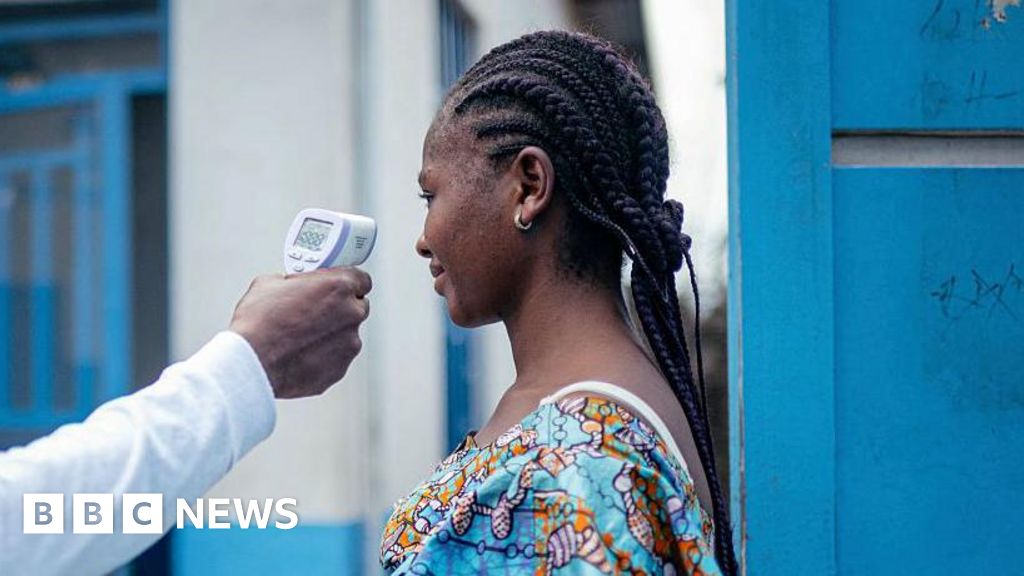
The World Health Organization declared the Ebola outbreak in eastern Democratic Republic of Congo a Public Health Emergency of International Concern on Wednesday, elevating the crisis from a regional health threat to a global one. The announcement came after a fatal case was confirmed in Goma, a city of nearly 2 million people on the Rwandan border, raising fears of international transmission. WHO Director-General Tedros Adhanom Ghebreyesus called the risk of spread 'very high' and urged immediate action to prevent further escalation.
The declaration follows months of relentless spread across North Kivu and Ituri provinces, where armed groups and community mistrust have hampered containment efforts. Health workers report that over 40% of cases are occurring outside treatment centers, with patients seeking traditional healers or refusing isolation. The outbreak, now the second-deadliest in history, has infected 2,512 people since it began in August 2018.
Key Points
- ⚠️ First cross-border case confirmed in Goma, a major transit hub
- 🔍 40% of new cases detected outside official treatment centers
- ✅ WHO issues 'very high' regional risk assessment
Local health officials in Goma have launched emergency response teams, but infrastructure gaps and funding shortages persist. The DRC government has allocated $4.5 million to bolster containment, yet experts warn this falls short of the estimated $57 million required. Médecins Sans Frontières has urged neighboring countries to prepare for potential cases, while Rwanda has already stepped up screening at border crossings.
| Province | Cases | Deaths | Transmission Rate |
|---|---|---|---|
| North Kivu | 1,824 | 1,143 | 2.4% |
| Ituri | 665 | 454 | 3.1% |
| South Kivu | 23 | 10 | 1.8% |
International health agencies point to a pattern of underreporting in conflict zones, where violence disrupts surveillance and treatment. The WHO’s emergency declaration grants it authority to bypass bureaucratic delays and coordinate global support, including vaccine deployments and medical evacuations. Yet logistical hurdles remain, from securing safe burial teams to countering misinformation that fuels community resistance.
📋 By The Numbers
- 1,607 — Deaths recorded since August 2018
- 2,512 — Total confirmed cases
- 40% — Cases occurring outside treatment centers
- $57 million — Estimated funding gap for containment
Health workers on the ground describe a 'shadow epidemic,' where fear and mistrust drive patients underground. The DRC’s health ministry has deployed mobile teams to remote villages, but armed clashes in recent weeks have forced evacuations of treatment centers in Beni and Butembo. The UN’s emergency coordinator for the region, David Gressly, warned that the outbreak ‘could spiral further’ without sustained international pressure and funding.
💡 Pro Tip
For travelers or aid workers in the region, avoid contact with wildlife and ensure routine vaccinations are up to date. Monitor local health advisories and avoid areas with active transmission—Goma’s border crossing with Rwanda remains a critical flashpoint.
The WHO’s emergency committee, which met Tuesday in Geneva, emphasized that the declaration is not a travel or trade restriction but a call for heightened vigilance. Rwanda’s health minister, Diane Gashumba, announced the closure of the Goma-Rusizi border point temporarily, a move criticized by trade groups but defended as a precaution. Meanwhile, the DRC government faces criticism for its slow response in the early months of the outbreak, which many health experts argue allowed the virus to gain a foothold.
- Immediate containment — Focus on isolating cases and tracing contacts within 48 hours
- Community engagement — Counter misinformation with trusted local leaders and health workers
- Funding mobilization — Accelerate donor pledges to fill the $57 million shortfall
As the outbreak enters its 12th month, the stakes could not be higher. The WHO’s declaration signals a turning point, but the window for action is closing fast. Without decisive measures, the virus could leap across borders, turning a regional crisis into a global threat.