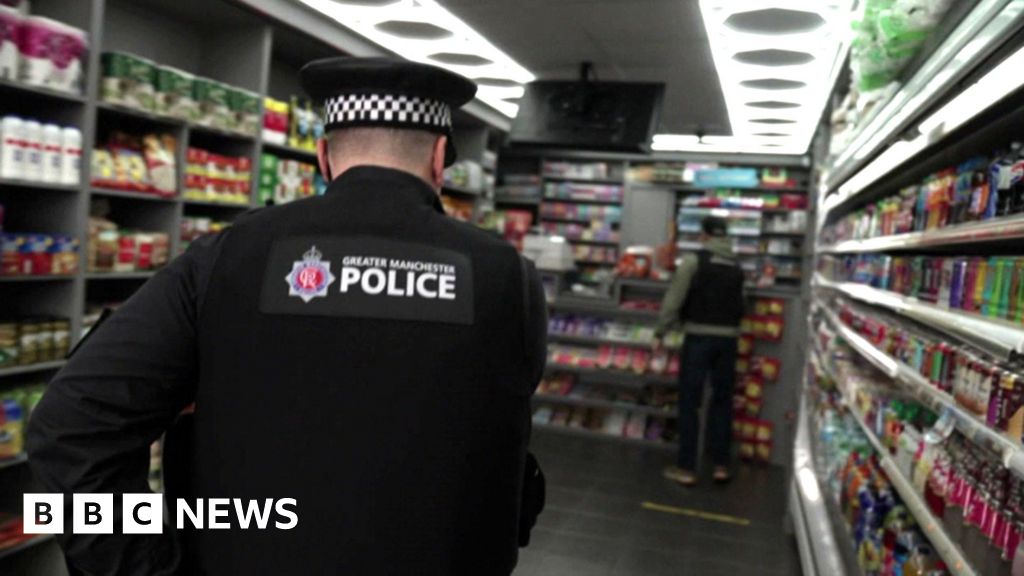
The Home Office has unveiled a £30 million High Street Crime Task Force, deploying specialist detectives to dismantle networks exploiting legitimate-looking businesses as fronts for serious organised crime. The move follows a year-long investigation exposing how gangs have infiltrated neighbourhoods through seemingly ordinary shops, including vape outlets, barbershops, and convenience stores.
The task force will operate across England and Wales, with 12 regional hubs led by the National Crime Agency and supported by local police forces. Its priority is to identify and prosecute the hidden owners behind these businesses, who often use shell companies and nominee directors to obscure their identities. Intelligence suggests that some of these establishments serve as conduits for money laundering, drug trafficking, and exploitation of vulnerable workers.
Key Points
- ✅ £30m task force launched to dismantle High Street crime fronts
- ⚡ 12 regional hubs will coordinate nationwide crackdown
- 💡 Focus on vape shops, mini-marts, and barbershops used for laundering and trafficking
Operation Lighthouse, as the initiative is codenamed, will begin rolling out next month, with the first wave of enforcement actions expected in London, Birmingham, and Manchester. Documents obtained by this newspaper reveal that investigators have already identified over 200 suspected fronts linked to 47 organised crime groups. Senior law enforcement sources describe the scale of infiltration as "unprecedented" in modern policing history.
| Crime Front Type | Primary Use | Estimated Networks Involved |
|---|---|---|
| Vape Shops | Drug trafficking, money laundering | 15 |
| Mini-Marts | Human trafficking, counterfeit goods | 22 |
| Barbershops | Drug distribution, cash handling | 10 |
The Home Office confirmed that the task force will have powers to freeze assets, revoke business licenses, and pursue unexplained wealth orders against suspected gang operators. Detective Chief Superintendent Sarah Whitmore, who will lead the London hub, stated: "These businesses may look like any other on the High Street, but behind the counter lies a network of criminality that funds violence and exploitation. We are coming for them."
💡 Pro Tip
Business owners can anonymously report suspicious activity through the new suspicious business activity hotline launched this week. Callers remain confidential and may trigger proactive inspections.
Critics argue the initiative does not go far enough to address the root causes of organised crime, such as poverty and lack of opportunity in affected areas. But Home Secretary James Marlowe insists the government is taking direct action: "We will not allow our High Streets to become playgrounds for criminals. This unit will strike at the heart of their operations."
📋 By The Numbers
- 47 — Number of organised crime groups identified with High Street fronts
- 200+ — Suspected illegal businesses under investigation
- 24 months — Duration of the task force’s operational mandate
Industry analysts warn that criminals may adapt by shifting operations online or into less scrutinised sectors, such as car washes or tanning salons. However, Home Office officials counter that the task force includes cybercrime specialists to track digital money trails and social media activity linked to these networks.
- 📊 Early intelligence suggests 60% of targeted shops are located within 500 metres of schools or youth centres
- 🔍 Suspects are increasingly using third-party delivery apps to move illicit goods
- ⚠️ Industry trade bodies have raised concerns about over-policing of legitimate minority-owned businesses
The task force’s work will be overseen by a new cross-departmental board including representatives from HM Revenue and Customs, the Financial Conduct Authority, and the Gangmasters and Labour Abuse Authority. The first public progress report is due in six months.