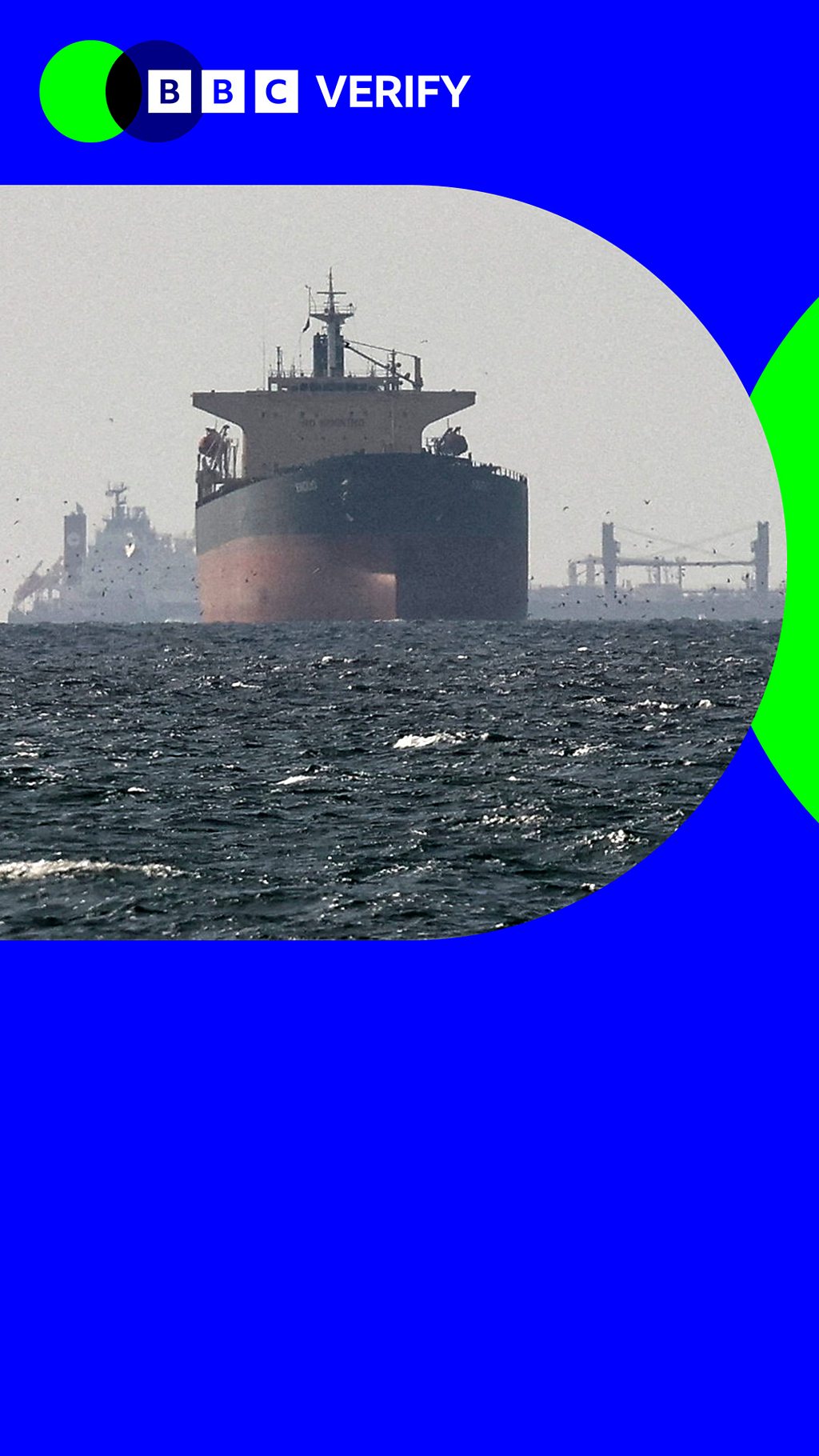
President Donald Trump has escalated diplomatic pressure on U.S. allies to send naval vessels to escort commercial oil tankers through the Strait of Hormuz, a critical chokepoint for global oil supplies. In a series of public statements this week, Trump framed the move as essential to protect shipping lanes from Iranian aggression. Yet, as of Tuesday, no allied nation—including the United Kingdom, France, or China—has confirmed participation in the proposed operation.
Iran has repeatedly threatened to disrupt shipping in the strait, citing U.S. sanctions and military drills near its waters. Last month, Iranian forces seized a British-flagged oil tanker near the strait, escalating tensions after a similar incident in July. The U.S. Fifth Fleet, based in Bahrain, has been patrolling the region since 1995, but its capacity to provide escorts for every commercial vessel is limited.
Key Challenges
- ⚓️ Limited Assets — The U.S. Fifth Fleet has fewer than 30 ships assigned to the Persian Gulf, Arabian Sea, and Red Sea combined.
- ⚡ Iranian Response — Tehran has vowed to retaliate against any foreign naval presence perceived as hostile, raising the risk of direct conflict.
- 🌍 Allied Reluctance — European nations and China cite legal and strategic concerns, preferring to rely on diplomatic channels.
Retired Admiral James Stavridis, former supreme allied commander of NATO, warned that escort missions could escalate into open warfare. "The Strait of Hormuz is a powder keg," Stavridis said. "One misstep could trigger a regional crisis that drags in multiple nations." The strait’s narrowest point is just 21 nautical miles wide, forcing vessels into a confined space where Iran’s fast-attack boats and anti-ship missiles pose a constant threat.
| Nation | Position | Risk Assessment |
|---|---|---|
| United States | Leading proponent | High risk, high reward; already deployed additional destroyers |
| United Kingdom | Publicly silent | Legal concerns over Hormuz operations; favors EU-led diplomacy |
| France | Conditional support | Willing to contribute surveillance but not combat escorts |
| China | Rejected proposal | Cites need for regional stability talks; prefers bilateral deals with Iran |
The proposed escort program would require a multinational fleet capable of patrolling a 120-mile stretch of water, including areas under Iranian territorial waters. Analysts estimate the operation could cost between $500 million and $1 billion annually, with costs rising if Iran increases its provocations. The U.S. has floated the idea of sharing expenses with allies, but no nation has committed funds yet.
📋 Escalation Timeline
- June 2019 — Iran seizes British tanker Stena Impero in retaliation for the detention of an Iranian oil tanker in Gibraltar.
- July 2019 — U.S. seizes Iranian oil ship near the Strait of Hormuz, escalating maritime tensions.
- April 2021 — Iran fires missiles at Israeli-linked vessels in the Red Sea, signaling broader regional aggression.
- October 2023 — Joint naval exercises by Iran, Russia, and China near Hormuz, prompting U.S. to deploy extra aircraft carriers.
Critics of the escort plan argue that it could violate international law by treating commercial ships as military targets. The United Nations Convention on the Law of the Sea grants Iran jurisdiction over its territorial waters, complicating any foreign naval presence. Legal experts point to the 1988 Operation Praying Mantis, when the U.S. engaged Iran’s navy in direct combat, as a precedent for potential escalation.
💡 Pro Tip
Maritime insurers are quietly raising premiums for ships transiting the Strait of Hormuz, citing the 300% increase in Iranian harassment incidents over the past 18 months. Operators should factor in delays of up to 72 hours for military escorts and consider alternative routes, such as around the Cape of Good Hope, which adds 3,500 nautical miles and four days to voyages.
Analysts at the Washington-based Center for Strategic and International Studies (CSIS) predict that if even a single escort mission goes wrong, the strait could see a 60% drop in oil tanker traffic within weeks. Such a disruption would send global oil prices soaring past $120 per barrel, according to energy market forecasts. The last time Hormuz traffic halted—during the 1980s Iran-Iraq War—oil prices tripled, triggering a global recession.
- 🔍 Geopolitical Twist — Russia and China have pledged to protect Iranian shipping under a new mutual defense pact, creating a potential naval standoff with NATO.
- 📊 Economic Impact — The U.S. Energy Information Administration estimates that a prolonged closure of the strait would cost the global economy $50 billion per month in lost trade.
- ⚠️ Diplomatic Deadlock — The EU has proposed an independent naval mission, but it lacks the mandate to enforce escorts and relies on voluntary participation.
As the debate intensifies, the White House is considering a phased approach: starting with limited escorts for U.S.-flagged vessels before expanding to international ships. However, Pentagon officials have privately expressed skepticism about the plan’s feasibility, citing Iran’s rapidly expanding naval drone fleet and shore-based missile systems. "We can deter Iran, but we can’t guarantee safety for every tanker," said a senior defense official who requested anonymity.