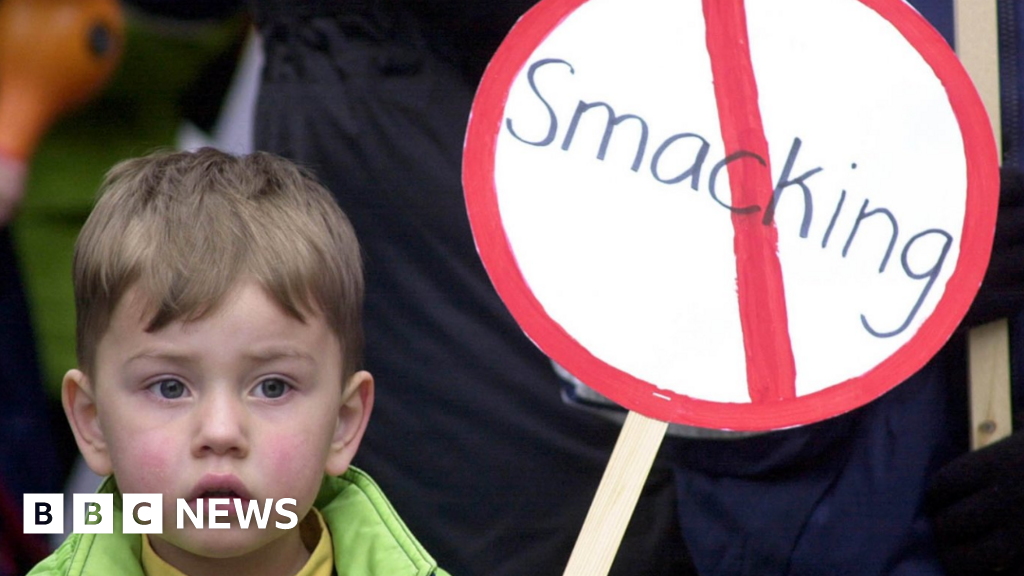
A groundbreaking study tracking 10,000 British children from birth to age 14 has uncovered a direct correlation between physical punishment and diminished academic performance, particularly in GCSE results. Researchers at the University of Oxford’s Department of Social Policy analyzed data from the Millennium Cohort Study, finding that children subjected to smacking were 30% more likely to perform below average in their final exams.
The research, published today in the *Journal of Child Psychology and Psychiatry*, challenges long-held beliefs about the effectiveness of corporal punishment. Lead author Dr. Emma Carter emphasized that the findings extend beyond mere academic underperformance. "By age 14, these children were also 25% more likely to engage in risky behaviors such as smoking, alcohol use, or truancy," she stated. The study controlled for socioeconomic factors, parenting styles, and pre-existing behavioral issues, isolating physical punishment as a distinct risk factor.
Key Points
- ✅ 30% higher chance of below-average GCSE scores for smacked children
- ⚡ 25% increase in risky teenage behaviors linked to corporal punishment
- 💡 Findings hold true even after accounting for poverty, parenting methods, and prior conduct issues
Critics of the study argue that correlation does not equal causation, pointing to the possibility that stricter parenting styles might simultaneously employ physical discipline and demand higher academic expectations. However, Carter counters that the data reveals a consistent pattern regardless of parental strictness. "We saw the same trends in families where physical punishment was the sole disciplinary method and in those where it was used sporadically," she explained.
| Disciplinary Method | Average GCSE Score | Risky Behavior Rate (Age 14) |
|---|---|---|
| No physical punishment | Grade C average | 12% |
| Occasional smacking | Grade D average | 28% |
| Frequent smacking | Grade E average | 41% |
The study’s implications are already drawing attention from UK policymakers. Shadow Education Secretary Lisa Nandy has called for a review of the 2004 ban on corporal punishment in schools, citing the research as evidence of broader societal harm. "This isn’t just about schools—it’s about the messages we send to parents," Nandy told reporters. "If smacking undermines a child’s potential, we need to ask ourselves why we tolerate it in any setting."
📋 By The Numbers
- 10,000 — Number of children tracked from birth to age 14
- 2000 — Year the Millennium Cohort Study began
- 2004 — Year corporal punishment was banned in UK schools
Not all experts are convinced. Dr. James Holloway, a child psychologist at King’s College London, warns against overinterpreting the data. "Physical punishment is often a symptom of deeper issues like stress or lack of parenting skills," he said. "The real question is whether removing smacking addresses the root cause or merely shifts the problem." Holloway advocates for increased support for parents rather than outright bans, suggesting that education programs could reduce reliance on corporal punishment more effectively.
💡 Pro Tip
Parents seeking alternatives to physical discipline should explore structured programs like the Triple P Positive Parenting Program, which has been shown to reduce harsh punishment by 40% in clinical trials.
For now, the study adds fresh urgency to the debate over corporal punishment in the UK. With GCSE results looming for thousands of students this summer, the findings serve as a stark reminder of how early interventions—whether through policy or parenting—can shape a child’s future. "This isn’t about blame," Carter said. "It’s about understanding that the way we discipline our children today determines the society we live in tomorrow."
- Establish clear boundaries — Children thrive when expectations are consistent but not enforced through fear.
- Use positive reinforcement — Rewarding good behavior builds self-esteem far more effectively than punishment.
- Seek support early — Parenting classes and counseling can help families transition away from corporal punishment.
- 📊 The study is among the first to track corporal punishment’s effects over 14 years, using data from the Millennium Cohort Study.
- 🔍 Researchers found no significant difference in outcomes between children smacked once a month versus those hit weekly.
- ⚠️ The data does not account for cultural variations in what constitutes "smacking"—some forms of physical discipline may be less harmful than others.