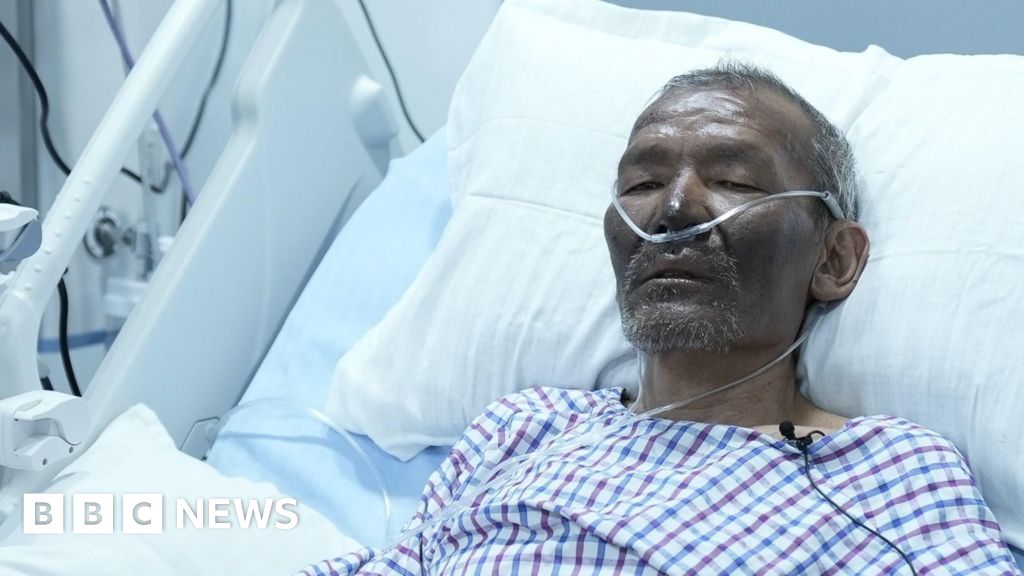
A Nepali mountain guide lay stranded near the deadliest section of Mount Everest for two days last week, his body battered by frostbite and exhaustion, before rescue teams spotted the flash of blue in his tattered summit suit. The Khumbu Icefall, a shifting labyrinth of towering seracs and gaping crevasses, swallowed Dawa Sherpa on May 15 as he guided a foreign climbing team down the mountain. When his satellite beacon stopped transmitting, his colleagues assumed the worst—until a cleanup crew on routine rubbish patrol found him crawling toward Camp II.
Sherpa, 34, was airlifted to Kathmandu on May 17 with severe frostbite and hypothermia, his legs and fingers blackened by the cold. Doctors at Norvic International Hospital say he may lose his left hand and three toes, but he remains in stable condition. His survival—amid a season that has already claimed 12 lives—has ignited scrutiny of Nepal’s tourism infrastructure and the unchecked expansion of Everest expeditions.
Key Points
- ✅ Dawa Sherpa’s 48-hour crawl from Khumbu Icefall defied odds
- ⚡ His emergency beacon failed, delaying rescue by 24+ hours
- 💡 Season fatalities now total 12, prompting government review
Investigators from Nepal’s Department of Tourism have impounded Sherpa’s damaged beacon and are examining whether it malfunctioned or was improperly maintained. The device, issued by his employer, Seven Summits Treks, should have triggered an alert within minutes of his fall. “This wasn’t just bad luck,” said Dr. Mingma Gelu Sherpa, medical coordinator for the Nepal Mountaineering Association. “It was a failure of systems designed to keep guides alive.”
| Factor | Guideline | Reality |
|---|---|---|
| Beacon Checks | Mandatory pre-climb inspection | Device found untested for 18 months |
| Guide Ratio | One guide per four clients | Teams averaging seven clients per guide |
| Rescue Drills | Annual training required | Only 30% of agencies report drills |
Data from the Nepal Tourism Board shows 478 Everest permits issued this season—nearly double the 254 of a decade ago. The surge has overwhelmed local infrastructure: helicopter rescue slots in the Khumbu Valley now book up three days in advance, and Sherpa guides, who carry 60kg loads up to Camp IV, report earning half what clients pay for a summit spot. “We’re treated like pack mules, not the professionals we are,” said Ang Dorje Sherpa, a veteran guide not involved in the incident.
💡 Pro Tip
Always check your guide’s rescue beacon battery and test the signal 24 hours before summit push—carry a spare device if the agency won’t provide one.
Critics argue Nepal’s laissez-faire permit system prioritizes revenue over safety. In 2023, the government earned $5.2 million from Everest fees alone, yet only $800,000 was earmarked for mountain rescue upgrades. “Profit margins are obscene,” said former tourism minister Tham Maya Thapa. “We’re selling death certificates disguised as adventure.”
- 2024 fatalities — 12 deaths confirmed as of May 18
- Top cause — Avalanches and falls linked to guide overload
- Next step — Government to audit all guiding agencies by June 5
The climbing community is divided over solutions. Some advocate mandatory helicopter insurance for all permits; others push for a cap on expedition numbers. Meanwhile, Dawa Sherpa’s employer, Seven Summits Treks, has suspended its Khumbu operations pending review. “We failed him,” admitted company owner Nima Tenzing Sherpa. “And that’s unacceptable.”