Two police forces in southern England have begun trialling the world’s first roadside breathalyser designed to detect nitrous oxide, commonly known as laughing gas, in drivers. The move comes amid growing concern over the increasing misuse of the substance, which has surged in popularity among young motorists in recent years.
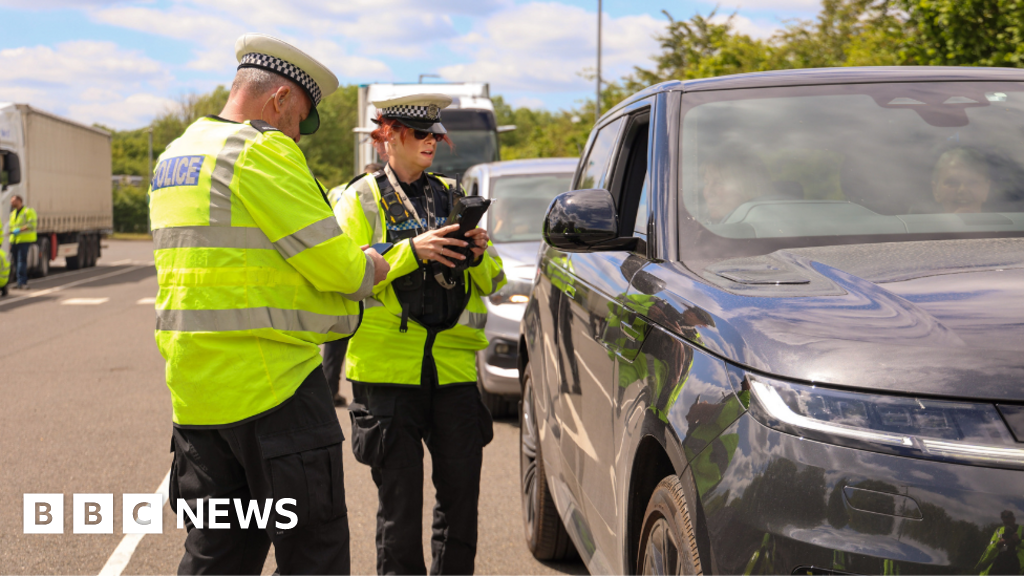
The trial, launched this week by Hampshire and Thames Valley Police, will run for six months. Officers will deploy the device during routine traffic stops, particularly targeting vehicles suspected of drug-related offences. The detector works by analysing a driver’s breath for traces of nitrous oxide, providing immediate results without invasive procedures.
💡 Pro Tip
If stopped while carrying nitrous oxide canisters, drivers should note that possession for recreational use remains illegal under UK drug laws, even if the device itself is being tested.
Nitrous oxide is classified as a Class C drug in the UK, and its use while driving can lead to prosecution under the Road Traffic Act. Police say the detector could close a legal loophole, as current drug tests cannot detect nitrous oxide, leaving officers with no immediate evidence in many cases.
Key Points
- ✅ First roadside breathalyser for nitrous oxide in the world
- ⚡ Tested by Hampshire and Thames Valley Police over six months
- 💡 Detects nitrous oxide in breath within seconds
The trial follows a 30% rise in nitrous oxide seizures by UK police forces in 2023, with officers reporting a sharp increase in canisters found discarded near roads and public spaces. The gas, often inhaled from balloons or canisters, can impair judgement and reaction times, posing a significant risk to road safety.
| Detection Method | Current Practice | New Device |
|---|---|---|
| Speed | Up to 45 minutes (lab analysis) | Under 30 seconds |
| Evidence | Indirect (e.g., paraphernalia) | Direct (breath sample) |
| Legal Use | None (Class C drug) | N/A (trial only) |
Critics argue the trial is a step in the right direction but warn that broader adoption will depend on the device’s accuracy and cost. The Home Office has funded the trial, with each unit costing approximately £5,000. Police forces are expected to evaluate the device’s performance before considering a national rollout.
📋 By The Numbers
- 30% — Increase in nitrous oxide seizures by UK police in 2023
- £5,000 — Estimated cost per breathalyser device
- 6 months — Duration of the current trial
Legal experts say the device could strengthen prosecutions, as drivers found with nitrous oxide in their system could face penalties similar to those for cannabis or cocaine. The Crown Prosecution Service has confirmed it will review cases involving the new evidence once the trial concludes. A Home Office spokesperson called the trial a “proactive response” to evolving drug trends on the roads.
- 📊 Nitrous oxide misuse is highest among drivers aged 17-24
- 🔍 The device cannot distinguish between recreational and medical use
- ⚠️ Legal challenges may arise if the device produces false positives
For now, the trial remains confined to two police forces, but its outcome could determine whether nitrous oxide breathalysers become a permanent fixture in UK traffic policing. Motorists are advised to avoid carrying or using the substance while behind the wheel, as the legal risks extend beyond the trial period.