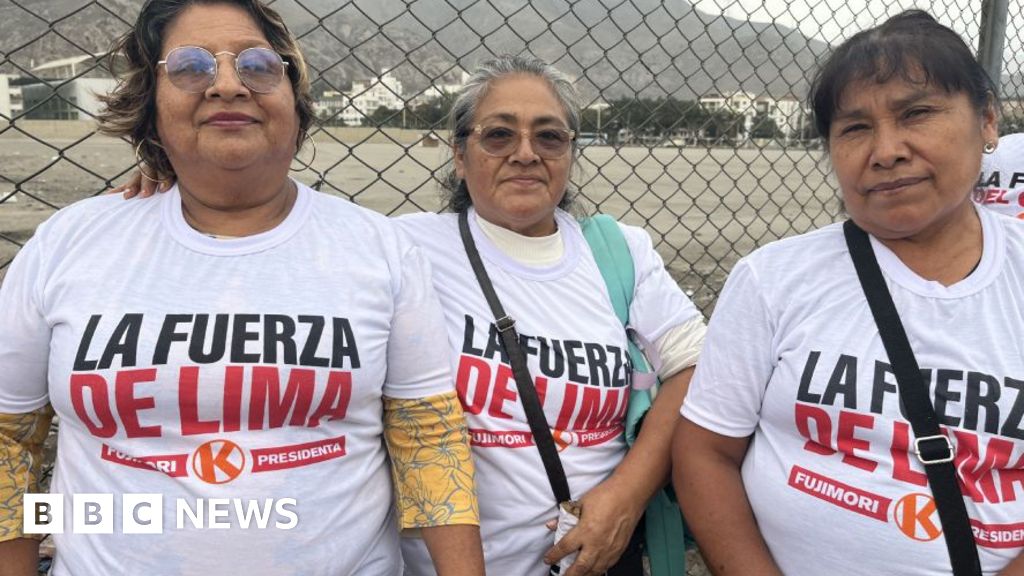
Lima’s San Juan de Lurigancho district, a sprawl of dust-choked hills and precarious homes, has become ground zero for Peru’s epidemic of extortion. Bus driver Toño still feels the phantom ache of bullets lodged in his legs and abdomen after a gang demanded $15,000 in protection money last year. 'They shot me in the legs and abdomen,' he said. 'I was out of work for four months, now I drive with fear.'
Toño’s depot now posts armed police at its gate, with plain-clothes officers riding shotgun as he navigates the same routes where five drivers from his company have been attacked—one fatally, another left in a vegetative state. 'I’ve never been so afraid to leave my young children,' he said. 'If I had money, I’d leave the country.'
Key Points
- ✅ Extortion cases surged to nearly 30,000 in 2025, overwhelming transport workers and small businesses
- ⚡ Fujimori vows military deployment against gangs, prison crackdowns, and financial blockades on extorted funds
- 💡 Sánchez’s leftist agenda includes nationalizing key industries and freeing imprisoned former President Pedro Castillo
Sunday’s presidential runoff pits Fujimori, daughter of the late authoritarian leader Alberto Fujimori, against Sánchez, a former education minister whose promises of redistribution have unsettled markets. Fujimori’s rallies echo with chants of 'war on extortionists,' while Sánchez’s supporters argue Peru’s mineral wealth must serve its people, not foreign investors.
| Policy Focus | Keiko Fujimori | Roberto Sánchez |
|---|---|---|
| Crime | Military patrols, prison militarization, financial tracking of extortion payments | Judicial reforms, community policing, social programs in high-crime zones |
| Economy | Free-market expansion, US investment incentives, stricter mining contracts | Higher corporate taxes, minimum wage hikes, state control over natural resources |
| Legacy | Invokes father Alberto Fujimori’s 1990s iron-fist rule credited with reducing crime | Pledges to free Pedro Castillo, imprisoned after attempting to dissolve Congress |
Fujimori’s campaign draws on nostalgia for her father’s era, when authoritarian measures coincided with economic stabilization. 'We need a strong hand against crime,' argued Piero, a Fujimori supporter at a Lima rally. 'Peru is overflowing with crime, and only iron discipline can stop it.' Her backers, like Janeth, cite economic stability as their priority, trusting her free-market approach to sustain growth.
Sánchez’s coalition rejects that narrative. 'Our copper and gold leave our country for others to profit,' said María Elena Linares, a university professor and Sánchez ally. 'We will nationalize strategic sectors, but we will also welcome foreign partners who respect our sovereignty.' Raúl, a construction worker, hopes Sánchez’s state-led expansion will finally funnel resources into rural health, education, and infrastructure beyond Lima’s skyline.
📋 By The Numbers
- 25% — Share of Peru’s electorate under 30, a bloc deeply skeptical of both candidates
- 8 — Number of presidents Peru has cycled through in the last decade amid corruption scandals and protests
Yet neither candidate inspires confidence among young voters like Consuelo, 21, vice-president of the student federation at Peru’s Pontifical Catholic University. 'We’re exhausted by the political class,' she said. 'Choosing between Fujimori and Sánchez feels like picking the lesser evil.' She fears Fujimori’s promise to revive her father’s tactics signals creeping authoritarianism, while Sánchez’s economic proposals risk alienating investors. 'We need real change, not recycled promises,' she added.
The runoff arrives as both candidates face legal clouds. A judge ruled Friday that Sánchez may stand trial for alleged undeclared campaign funds from 2018–2020, a charge he denies and plans to appeal. Fujimori, meanwhile, weathered years of pre-trial detention from 2018 to 2020 on separate financing allegations that were later dropped. The instability has fueled Gen Z protests, with young demonstrators decrying corruption, inequality, and the state’s failure to protect citizens.
💡 Pro Tip
Voters in districts like San Juan de Lurigancho should verify local polling places before Sunday—many temporary sites were relocated after last month’s flooding disrupted access routes.
With no party commanding a congressional majority, the next president will inherit a fractured legislature prone to impeachments. Fujimori’s bloc holds the largest minority, but Sánchez’s coalition has vowed to block her hardline security plans. The tension underscores a broader regional trend: as crime and corruption erode trust in institutions, electorates increasingly gamble on extremes—whether Fujimori’s iron rule or Sánchez’s redistributive ambitions.