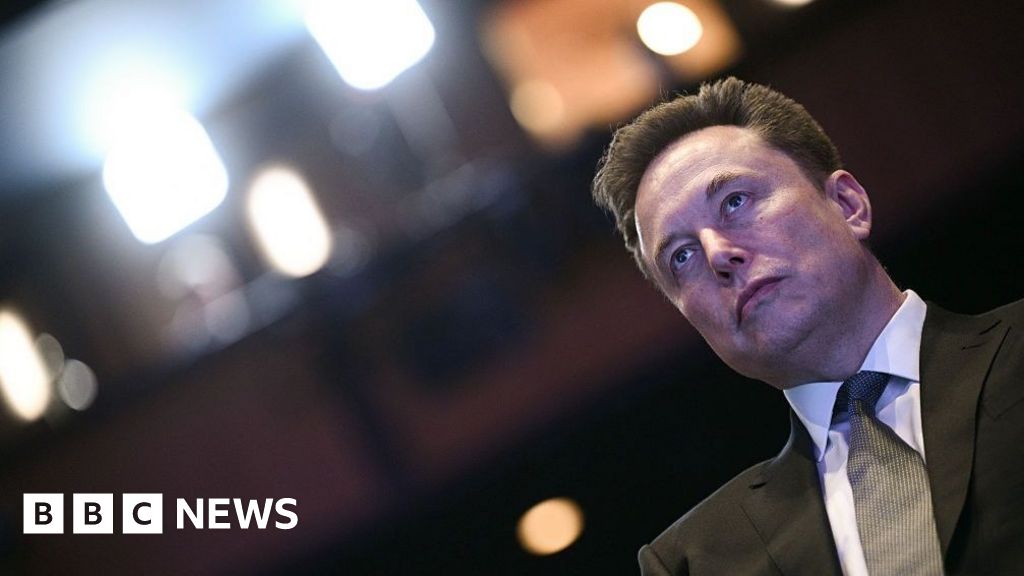
A California jury on Tuesday delivered a swift and unanimous verdict in Elon Musk’s lawsuit against OpenAI and CEO Sam Altman, dismissing all claims in under three hours of deliberation. The case, centered on allegations that OpenAI breached its founding charter by shifting from a nonprofit to a capped-for-profit model, has been closely watched in Silicon Valley and legal circles for its implications on AI governance and corporate accountability.
The lawsuit, filed in April 2024 in San Francisco Superior Court, accused OpenAI of violating its original 2015 mission to ensure artificial general intelligence benefits all of humanity. Musk claimed the organization’s transition to a for-profit entity, culminating in the $86 billion valuation of OpenAI Global LLC, represented a fundamental betrayal of its founding principles. The jury, however, found no legal basis to support these claims, effectively ending the high-stakes dispute.
💡 Pro Tip
For startups considering nonprofit-to-for-profit transitions, ensure contractual clarity on mission preservation. Ambiguity in founding documents can invite costly litigation.
OpenAI’s defense hinged on the argument that its 2019 restructuring was necessary to fund the computational and talent costs required to compete in the rapidly advancing AI industry. The organization’s legal team presented evidence showing that without the 2019 pivot, OpenAI would have lacked the resources to develop models such as GPT-4 and DALL-E 3, which now underpin its commercial and research operations. The jury accepted this reasoning, signaling a validation of OpenAI’s strategic shift despite Musk’s objections.
Key Points
- ✅ Jury dismissed all claims in Musk’s lawsuit against OpenAI and Sam Altman
- ⚡ Case centered on OpenAI’s transition from nonprofit to capped-for-profit model
- 💡 Verdict delivered in under three hours, highlighting jury unanimity
Musk, a co-founder and early funder of OpenAI, had sought $100 billion in damages, alleging that Altman and other directors breached their fiduciary duties by prioritizing commercial interests over OpenAI’s stated mission. The lawsuit also accused Altman of fraud for failing to disclose financial arrangements with Microsoft, a major investor and partner. However, the jury found no evidence of wrongdoing, rejecting Musk’s assertion that OpenAI’s actions were driven by greed rather than scientific advancement.
| Allegation | Musk’s Claim | Jury’s Finding |
|---|---|---|
| Breach of contract | OpenAI violated founding charter by becoming for-profit | No breach detected |
| Fiduciary duty | Directors prioritized profit over mission | No evidence of misconduct |
| Fraud | Failure to disclose Microsoft’s financial ties | No fraud established |
Legal experts say the verdict sets a precedent for how courts may interpret founding documents in the context of AI organizations navigating rapid technological and commercial change. “The jury’s decision underscores the importance of clear governance structures in mission-driven entities,” said Sarah Chen, a corporate law professor at Stanford University. “It also suggests that courts may not second-guess strategic pivots in fast-moving industries like AI, provided they are undertaken in good faith.”
📋 By The Numbers
- $100 billion — Damages sought by Elon Musk in the lawsuit
- 3 hours — Time taken by the jury to reach a unanimous verdict
- $86 billion — Estimated valuation of OpenAI Global LLC
The case has drawn attention beyond Silicon Valley, with AI ethicists and policymakers weighing in on its implications for the future of AI development. Critics of OpenAI’s commercialization argue that the verdict prioritizes profit over ethical considerations, while supporters contend that the ruling empowers organizations to innovate without fear of crippling litigation. The jury’s decision, however, remains definitive, closing a chapter that has tested the boundaries of corporate governance in the AI era.
- April 2024 — Elon Musk files lawsuit in San Francisco Superior Court
- June 2024 — OpenAI files motion to dismiss, citing lack of legal merit
- March 2025 — Trial begins with testimonies from Musk, Altman, and Microsoft representatives
- April 1, 2025 — Jury delivers unanimous verdict dismissing all claims
As OpenAI continues to expand its global footprint, the verdict removes a significant legal cloud over its operations. The organization is now focused on its next phase of development, including the anticipated release of GPT-5 and new partnerships in healthcare and education. For Musk, the dismissal marks the end of a contentious legal battle but leaves unresolved broader debates about the direction of AI research and its alignment with public good. The case, however, has already reshaped conversations about accountability, governance, and the ethical foundations of artificial intelligence.