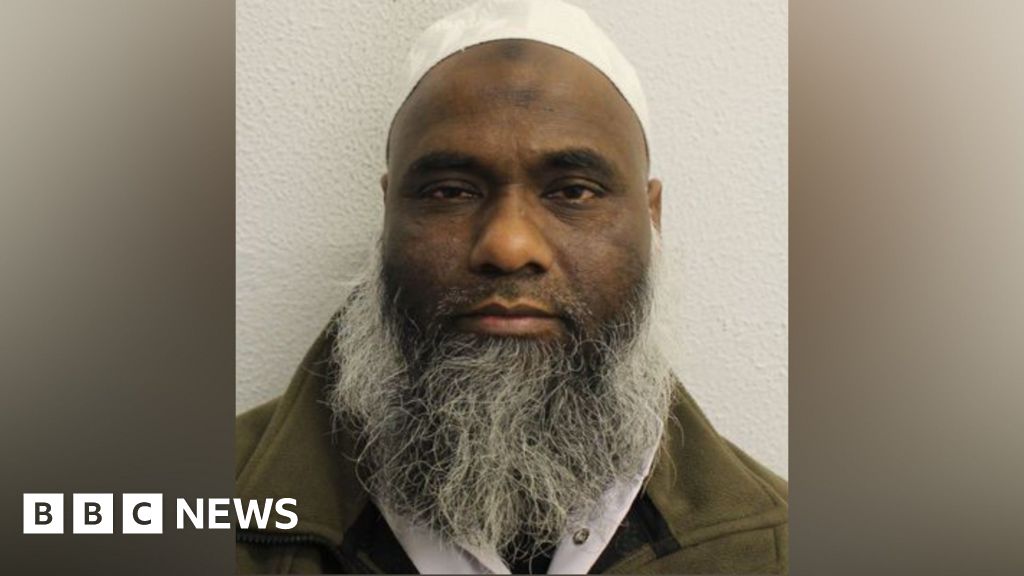
London’s Old Bailey Crown Court delivered a landmark ruling Tuesday, sentencing 58-year-old Abdul Hakim Rafiq to life in prison with a minimum term of 20 years for a series of sexual assaults spanning from 2010 to 2022. Rafiq, once a respected figure in east London’s Muslim community, was found guilty of 18 counts of sexual assault, including attacks on victims as young as 12. Prosecutors described the assaults as a calculated abuse of power, leveraging Rafiq’s position as an imam to manipulate and isolate his victims.
Rafiq’s crimes came to light in 2022 after a 24-year-old woman reported an incident at a mosque in Waltham Forest. Police launched an investigation that uncovered a pattern of abuse dating back to 2010, including assaults at Rafiq’s home and during religious gatherings. Detectives recovered digital evidence linking him to the offenses, including messages and recordings that corroborated victims’ testimonies.
Key Points
- ⚖️ First imam in UK convicted under new religious abuse laws
- 🔍 Police seized 15 devices containing evidence of abuse
- 💡 Victims ranged from 12 to 56 years old across 12 years
The trial revealed Rafiq’s methods were meticulously planned. He groomed victims by offering religious guidance and financial support, then exploited their trust to coerce them into sexual acts. One victim, a teenager at the time of the assaults, testified that Rafiq convinced her she was “destined for greatness” in exchange for compliance. Another victim reported being threatened with exposure of her “sins” if she refused his demands.
| Tactic | Method | Impact |
|---|---|---|
| Grooming | Exploited religious authority | Isolated victims from families |
| Coercion | Financial support as leverage | Forced compliance through dependency |
| Threats | Exposure of personal “sins” | Silenced victims for years |
Prosecutors argued Rafiq’s actions were premeditated, noting he had systematically targeted vulnerable individuals within his community. The court heard how he used his role as an imam to gain access to victims, often luring them to private meetings under the guise of spiritual counseling. His defense claimed mental health issues, but the jury rejected this argument after reviewing the overwhelming evidence.
💡 Pro Tip
Community leaders should implement mandatory safeguarding training for religious figures to prevent abuse of authority. Victims of abuse within faith communities often hesitate to come forward—creating confidential reporting channels is critical.
Rafiq’s sentencing marks a rare but growing trend of holding religious figures accountable for sexual abuse. In 2023, UK lawmakers expanded protections under the Sexual Offences Act to include abuse committed under the guise of religious authority. The case has prompted calls for stricter oversight of religious institutions and mandatory background checks for those in positions of spiritual leadership.
📋 By The Numbers
- 18 — Total counts of sexual assault proven in court
- 12 — Years of abuse spanning from 2010 to 2022
- 15 — Electronic devices seized containing corroborating evidence
- 58 — Age of the defendant at time of sentencing
Victims’ advocates hailed the verdict as a step toward justice for survivors of religious abuse. “This case sends a clear message that no one is above the law—not even those who claim to represent divine authority,” said Sarah Malik, director of the Faith Abuse Survivors Network. The Metropolitan Police have urged others who may have been targeted by Rafiq to come forward, emphasizing that the investigation remains open.
Key Takeaways
- 🚨 Religious figures can exploit power dynamics to commit abuse
- 🔍 Digital evidence played a crucial role in securing convictions
- 💬 Survivors of abuse in faith communities need safe reporting pathways
The sentencing comes amid heightened scrutiny of institutional abuse in the UK, with recent inquiries revealing systemic failures in protecting vulnerable individuals across various sectors. Rafiq’s case underscores the need for vigilance in all institutions where authority figures hold sway over others.