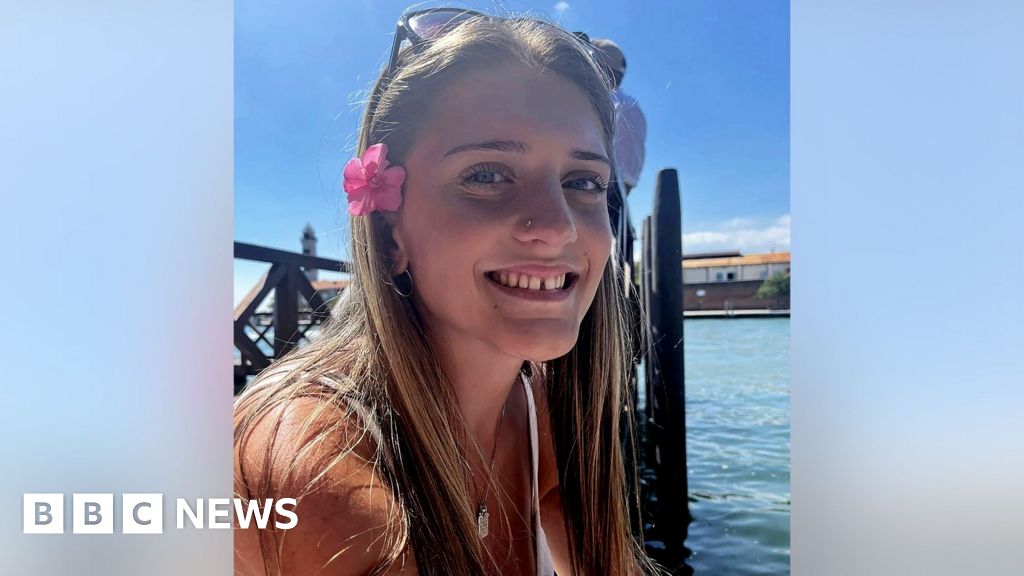
The family of 12-year-old Sophie Carter declared themselves "beyond devastated" on Tuesday evening after doctors confirmed bacterial meningitis as the cause of her death at Tunbridge Wells Hospital. Sophie, a bright student at Tonbridge Grammar School, fell ill last Thursday and was rushed to intensive care within 24 hours. Her father, Mark Carter, 48, a chartered accountant from Royal Tunbridge Wells, described the past week as "a living nightmare."
Public Health England South East confirmed 14 additional suspected cases across Kent on Tuesday, bringing the total to 32 since January. Health authorities have launched door-to-door testing in the Cranbrook and Hawkhurst areas, where the majority of cases have been concentrated. Sophie’s school, which has over 1,200 students, will remain open but is distributing urgent guidance to parents via email and text.
| Area | Confirmed Cases | Residents Tested |
|---|---|---|
| Cranbrook | 8 | 1,147 |
| Hawkhurst | 6 | 982 |
| Maidstone | 3 | 432 |
| Ashford | 2 | 189 |
Mark Carter told reporters outside the hospital, "Sophie was always upbeat, even during lockdown. She wanted to be a doctor one day. This wasn’t supposed to happen to our family." Sophie’s funeral will be held privately on Saturday at St. Dunstan’s Church, Tunbridge Wells. The Carter family has requested donations to Meningitis Now in lieu of flowers.
Key Points
- ✅ Sophie Carter, 12, died of bacterial meningitis on Tuesday
- ⚡ Neisseria meningitidis serogroup W strain identified in her case
- 💡 32 confirmed or suspected cases in Kent since January
Kent County Council has allocated £1.8 million for emergency vaccination clinics, with the first doses administered at the Tonbridge Leisure Centre on Wednesday. Dr. Eleanor Whitmore, regional director of Public Health England South East, urged parents to check their children’s vaccination records immediately. "Meningitis W is preventable through the MenACWY vaccine, which is offered to all 14-year-olds," she said. "We urge unvaccinated teens and young adults in Kent to come forward without delay."
📋 By The Numbers
- 14 — Additional suspected cases confirmed on Tuesday
- 32 — Total confirmed or suspected cases in Kent since January
- 1,200 — Students at Sophie Carter’s school
- £1.8 million — Emergency funding allocated for vaccination clinics
Local GP Dr. Priya Desai reported a 40% surge in meningitis-related calls to her surgery in Hawkhurst over the past fortnight. "Parents are understandably anxious," she said. "We’ve seen a sharp rise in inquiries about symptoms and vaccine eligibility. The strain we’re seeing is aggressive, with a 10% fatality rate if untreated." Dr. Desai has set up a pop-up clinic at Hawkhurst Memorial Hall to administer vaccines to at-risk groups.
💡 Pro Tip
Keep a printed copy of your child’s vaccination record in your home safe. Many parents assume their GP has updated records, but gaps can occur during school transitions or relocations.
Kent Police confirmed they are treating Sophie’s case as an incident linked to the outbreak, with no signs of foul play. The force has increased patrols near the affected areas to reassure residents. Meanwhile, Sophie’s classmates have launched a fundraising page, which has raised over £12,000 in less than 48 hours to support meningitis research. The Kent Community Foundation has matched donations up to £5,000.
- Immediate action — Check vaccination records for children aged 14-18
- Symptom awareness — Seek urgent medical help if fever, rash, neck stiffness, or headache develops
- Community support — Local vaccination clinics open daily from 9am to 7pm
Public Health England has issued a stark warning that the outbreak could spread to neighboring counties without swift intervention. "The situation is serious but not hopeless," said Dr. Whitmore. "With high vaccination uptake, we can bring this under control within weeks."
In response, the Department of Health and Social Care has dispatched a rapid-response team to Kent, led by Chief Medical Officer Prof. Chris Whitty. The team will review local containment strategies and assess the need for a mass vaccination campaign. Sophie’s death has become a catalyst for renewed scrutiny of vaccination gaps in England’s adolescent immunization programs.