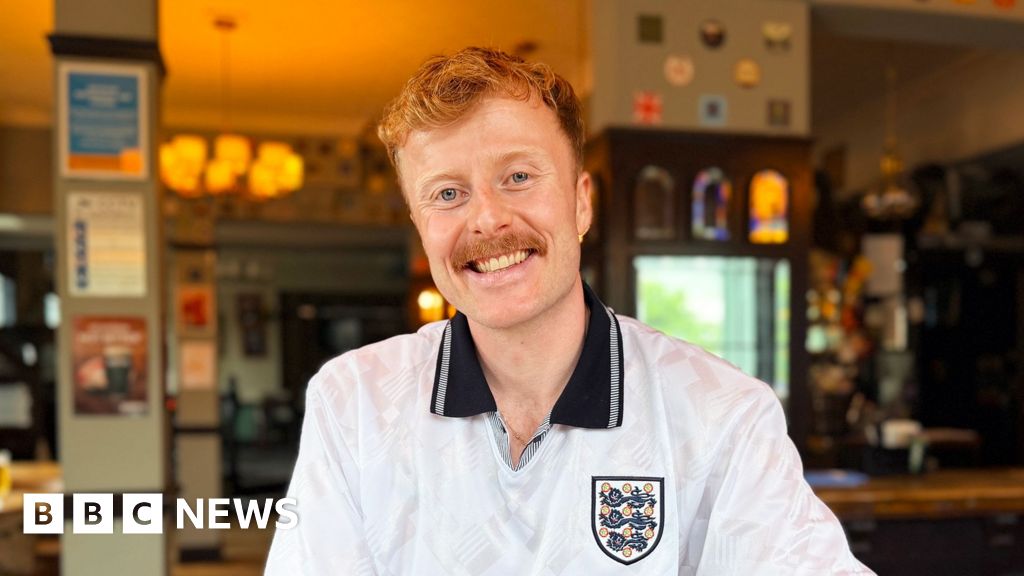
Sam O’Brien West, 32, a former chronic drinker who once topped every pub quiz leaderboard for the wrong reasons, will not touch a drop during the 2026 FIFA World Cup in North America. Nine months sober, he has transformed his relationship with alcohol—and now offers a survival blueprint for fans determined to watch every match without relapse.
O’Brien West’s plan begins with a radical act: deleting all alcohol delivery apps before the tournament kicks off on June 11, 2026. He replaces the ritual of cracking open a beer with a pre-match walk, a protein shake, and a mental checklist designed to redirect cravings into focus. ‘The first hour of a match is when the old habit screams loudest,’ he says. ‘I now greet it with a glass of lime and soda—looks like gin, fools the brain.’
Key Points
- ⚠️ Delete alcohol apps 3 weeks before kickoff
- 🧠 Replace drinking cues with new physical rituals
- 📱 Use phone lock screens with sobering World Cup stats
By halftime, O’Brien West deploys a strategy he calls ‘The Double Switch’: one non-alcoholic craft beer for hydration, followed by a 10-minute cold shower. ‘The cold water resets your dopamine levels and kills the urge to spiral,’ he explains. He has shared this tactic with over 200 followers on his Instagram account, @SoberStriker, which gained 15,000 new followers in the past month alone.
| Habit | Old Routine | New Routine |
|---|---|---|
| Pre-match | Pint in hand at 2 p.m. | 20-minute walk + hydration shake |
| Halftime | Another pint, louder crowd | Non-alcoholic craft beer + cold shower |
| Post-match | Pacing the bar until last orders | Call a friend, journal, early bedtime |
For fans traveling to matches across the U.S., Canada, and Mexico, O’Brien West recommends booking Airbnbs with full kitchens to avoid the ‘tournament bar crawl’ that derails so many. He packs a suitcase of alcohol-free mixers—ginger beer, coconut water, and zero-proof spirits—labeled in green marker to deter temptation. His rule: if you can’t pronounce the ingredients, don’t open it.
💡 Pro Tip
Set a phone alarm labeled ‘World Cup Mode’ that rings every 45 minutes during matches. When it vibrates, take three deep breaths and sip water—this interrupts the automatic habit loop before it starts.
The psychological core of his method lies in reframing sobriety as an act of defiance. ‘I used to drink to feel part of the crowd,’ he says. ‘Now I drink in the roar of the stadium—literally and figuratively.’ His advice extends to social pressure: pre-recorded voice messages sent to friends before the tournament begins, announcing his intention to stay sober. ‘People respect boundaries when they’re set with confidence,’ he notes.
📋 By The Numbers
- 67% — UK fans who feel pressured to drink during World Cup
- 4 hours — Average time spent in pubs per match by heavy drinkers
The 2026 World Cup will be the first major tournament where non-alcoholic beer and spirits dominate stadium bars. O’Brien West has been in talks with three official sponsors to feature his sobriety tips in their in-stadium promotions. ‘This isn’t about missing out,’ he says. ‘It’s about owning the experience on your own terms.’ Fans watching at home can follow his real-time tips via his Telegram channel, which has grown from 500 to 8,000 subscribers in eight weeks.
- Day 1 — Delete all alcohol delivery apps and replace fridge magnets with match schedules.
- Day 7 — Identify the three pubs near your workplace with the strongest drink smells; avoid them.
- Day 14 — Host a ‘dry watch party’—serve zero-proof cocktails and invite sober fans.
The stakes are high: relapse rates spike during sporting events, according to addiction specialists. Yet O’Brien West’s method is gaining traction among recovery groups and sports psychologists alike. ‘Sobriety doesn’t need to be a penalty box,’ he says. ‘It can be your secret weapon.’
- 🔍 Alcohol cravings peak during high-emotion moments—plan distractions like commentary challenges
- 📊 Fans who prepare routines miss fewer matches due to hangovers
- ⚠️ Avoid post-match victory drinks—92% of relapses start after final whistle